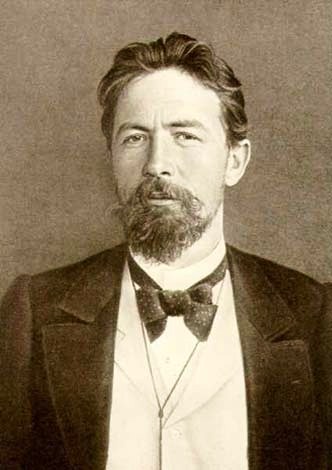
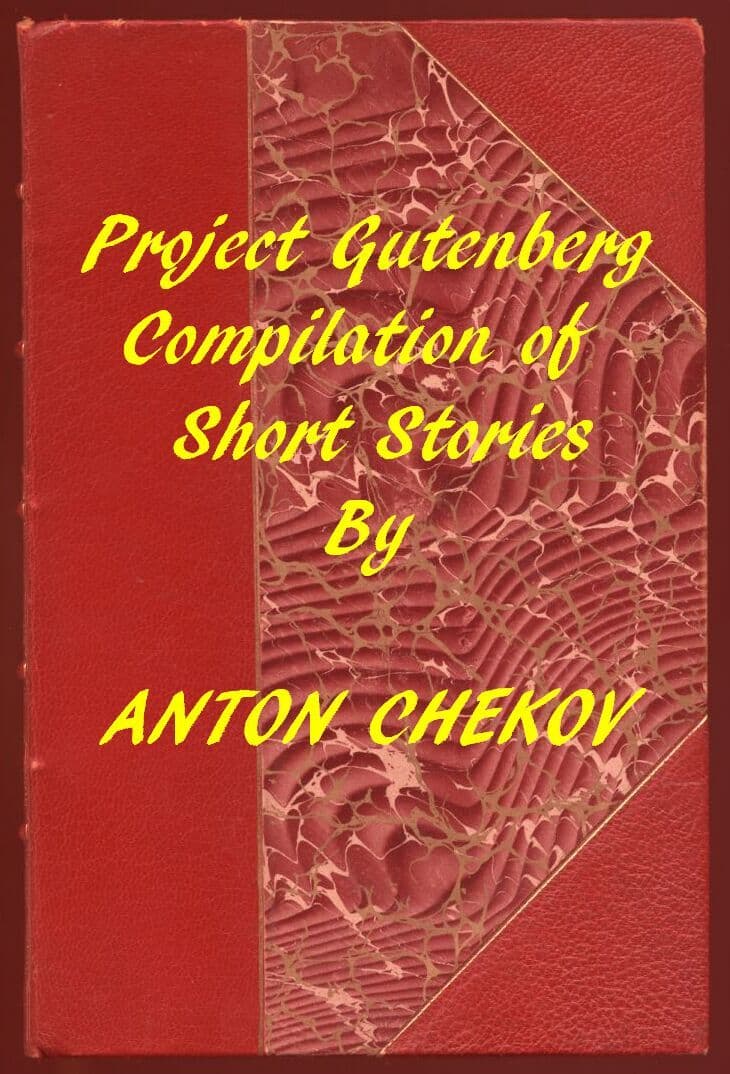
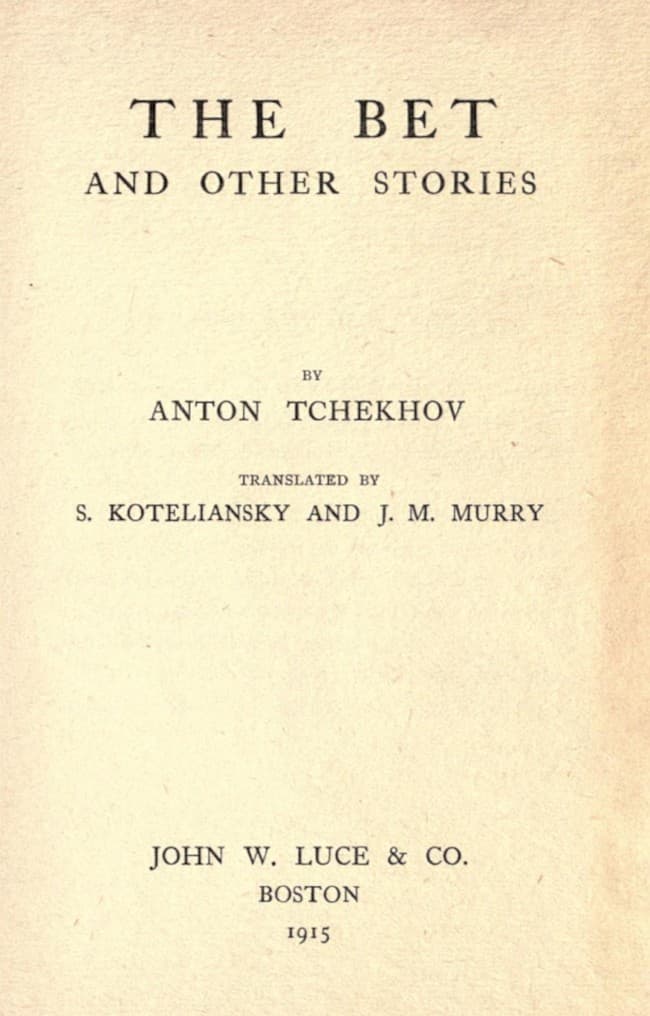
Love, and Other Stories
1923
Chekhov's late stories occupy the space between what's said and what's felt. In "The Lady with the Little Dog," a bored businessman begins an affair that cracks open everything he thought he knew about himself. In "About Love," two men discuss love over brandy while avoiding what actually matters. In "Peasants," a city man returns to his dying father's village and finds only degradation. These are not dramatic stories - nothing explodes, very little is resolved - yet reading them feels like witnessing something true about human nature. Chekhov refuses to moralize or explain his characters' silences. He simply shows them to us, and in their small gestures - a hand reaching for another hand, a door closing, a landscape remembered - we recognize ourselves. This is the work of a writer at the height of his powers, forging the spare, resonant style that reshaped modern fiction. For readers who understand that what matters most happens in the quiet moments.
Editions
X-Ray
“He had two lives: one, open, seen and known by all who cared to know, full of relative truth and of relative falsehood, exactly like the lives of his friends and acquaintances; and another life running its course in secret. And through some strange, perhaps accidental, conjunction of circumstances, everything that was essential, of interest and of value to him, everything in which he was sincere and did not deceive himself, everything that made the kernel of his life, was hidden from other people.””
— Anton Pavlovich Chekhov
“And only now, when he was gray-haired, had he fallen in love properly, thoroughly, for the first time in his life.””
— Anton Pavlovich Chekhov
“Useless pursuits and conversations always about the same things absorb the better part of one's time, the better part of one's strength, and in the end there is left a life grovelling and curtailed, worthless and trivial, and there is no escaping or getting away from it”
— Anton Pavlovich Chekhov
“He always seemed to women different from what he was, and they loved in him not himself, but the man created by their imagination, whom they had been eagerly seeking all their lives; and afterwards, when they noticed their mistake, they loved him all the same.””
— Anton Pavlovich Chekhov
“My thoughts about human happiness, for some peculiar reason, had always been tinged with a certain sadness.””
— Anton Pavlovich Chekhov
“العقل بالطبع شيء غير خالد بل زائل، ولكنك تعلم الآن لماذا أشعر بالميل إليه، فالحياة فخ محزن وعندما يحقق الشخص المفكّر فرصته ويبلغ وعيه درجة النضج يحس نفسه -لا إراديًا- كأنه وقع في فخ لا مهرب منه. وبالفعل فقد جاء إلى الحياة من العدم على الرغم من إرادته بفعل عوامل عارضة، فلماذا؟! إنه يريد أن يعرف مغزى وجوده وهدفه فلا يقال له أو تقال له حماقات، ويدق الباب فلا يفتح له أحد، ويأتيه الموت أيضًا على الرغم من إرادته. وهكذا كما في السجن عندما يشعر الأشخاص الذين جمعتهم المأساة المشتركة بنوع من الإرتياح عندما يجتمعون معا، كذلك الحياة؛ لا يحس الأشخاص الميالون إلى التحليل والتعميم بوجود الفخ عندما يجتمعون معًا ويقضون الوقت في تبادل الأفكار الحرة الأبية! وبهذا المعنى يُعتبر العقل متعة لا بديل لها .””
— Anton Pavlovich Chekhov
“The leaves did not stir on the trees, cicadas twanged, and the monotonous muffled sound of the sea that rose from below spoke of the peace, the eternal sleep awaiting us. So it rumbled below when there was no Yalta, no Oreanda here; so it rumbles now, and it will rumble as indifferently and as hollowly when we are no more. And in this constancy, in this complete indifference to the life and death of each of us, there lies, perhaps a pledge of our eternal salvation, of the unceasing advance of life upon earth, of unceasing movement towards perfection. Sitting beside a young woman who in the dawn seemed so lovely, Gurov, soothed and spellbound by these magical surroundings - the sea, the mountains, the clouds, the wide sky - thought how everything is really beautiful in this world when one reflects: everything except what we think or do ourselves when we forget the higher aims of life and our own human dignity.””
— Anton Pavlovich Chekhov
“How fortunate Buddha, Mahomed, and Shakespeare were that their kind relations and doctors did not cure them of their ecstasy and their inspiration””
— Anton Pavlovich Chekhov
Link to this book
Add a free, dofollow link to Lex on your blog, forum, syllabus, or reading list.

<a href="https://lex-books.com/book/love-and-other-stories-e63188b2-d475-41c6-a8a8-97975d799d8f"><img src="https://lex-books.com/badges/read-on-lex.svg" alt="Read Love, and Other Stories by Anton Pavlovich Chekhov free on Lex" width="160" height="40"></a>[](https://lex-books.com/book/love-and-other-stories-e63188b2-d475-41c6-a8a8-97975d799d8f)[url=https://lex-books.com/book/love-and-other-stories-e63188b2-d475-41c6-a8a8-97975d799d8f][img]https://lex-books.com/badges/read-on-lex.svg[/img][/url]Read Love, and Other Stories by Anton Pavlovich Chekhov free on Lex: https://lex-books.com/book/love-and-other-stories-e63188b2-d475-41c6-a8a8-97975d799d8fCite this book
Reading this edition for a paper or guide? Copy a citation.
Chekhov, Anton Pavlovich. Love, and Other Stories. Lex, lex-books.com/book/love-and-other-stories-e63188b2-d475-41c6-a8a8-97975d799d8f.Chekhov, A. P. (1923). Love, and Other Stories. Lex. https://lex-books.com/book/love-and-other-stories-e63188b2-d475-41c6-a8a8-97975d799d8fChekhov, Anton Pavlovich. Love, and Other Stories. Lex. https://lex-books.com/book/love-and-other-stories-e63188b2-d475-41c6-a8a8-97975d799d8f.