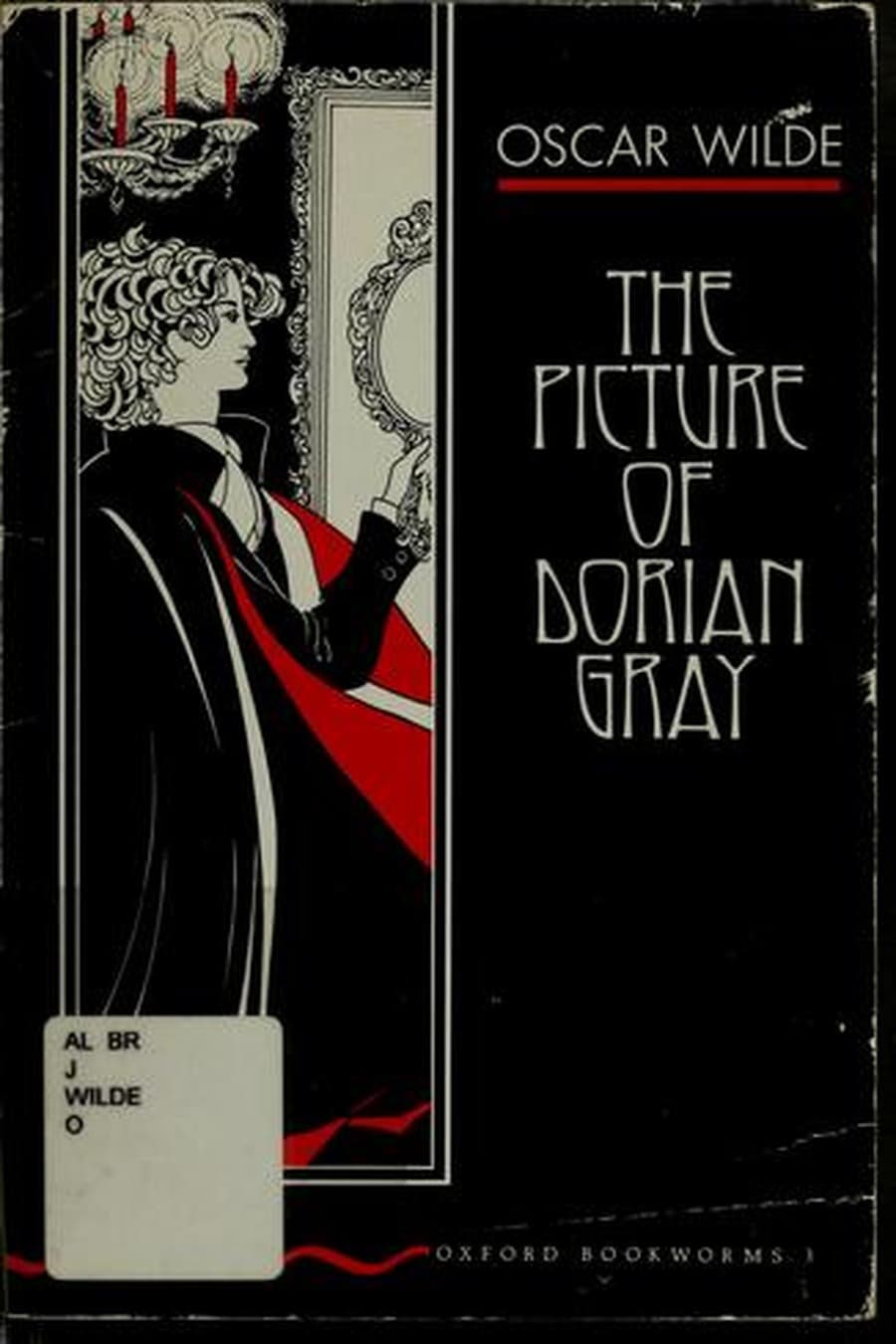
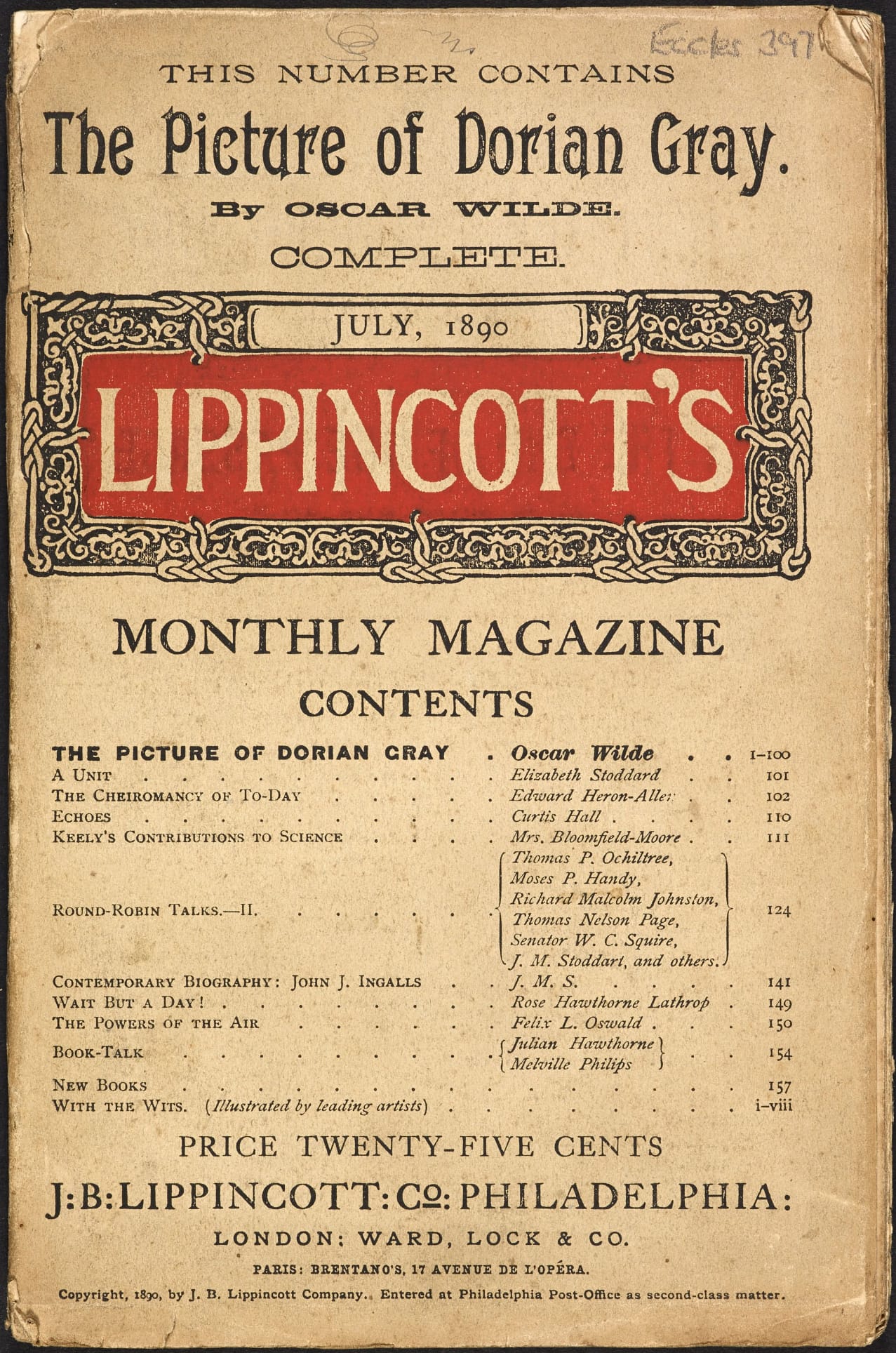
The Picture of Dorian Gray
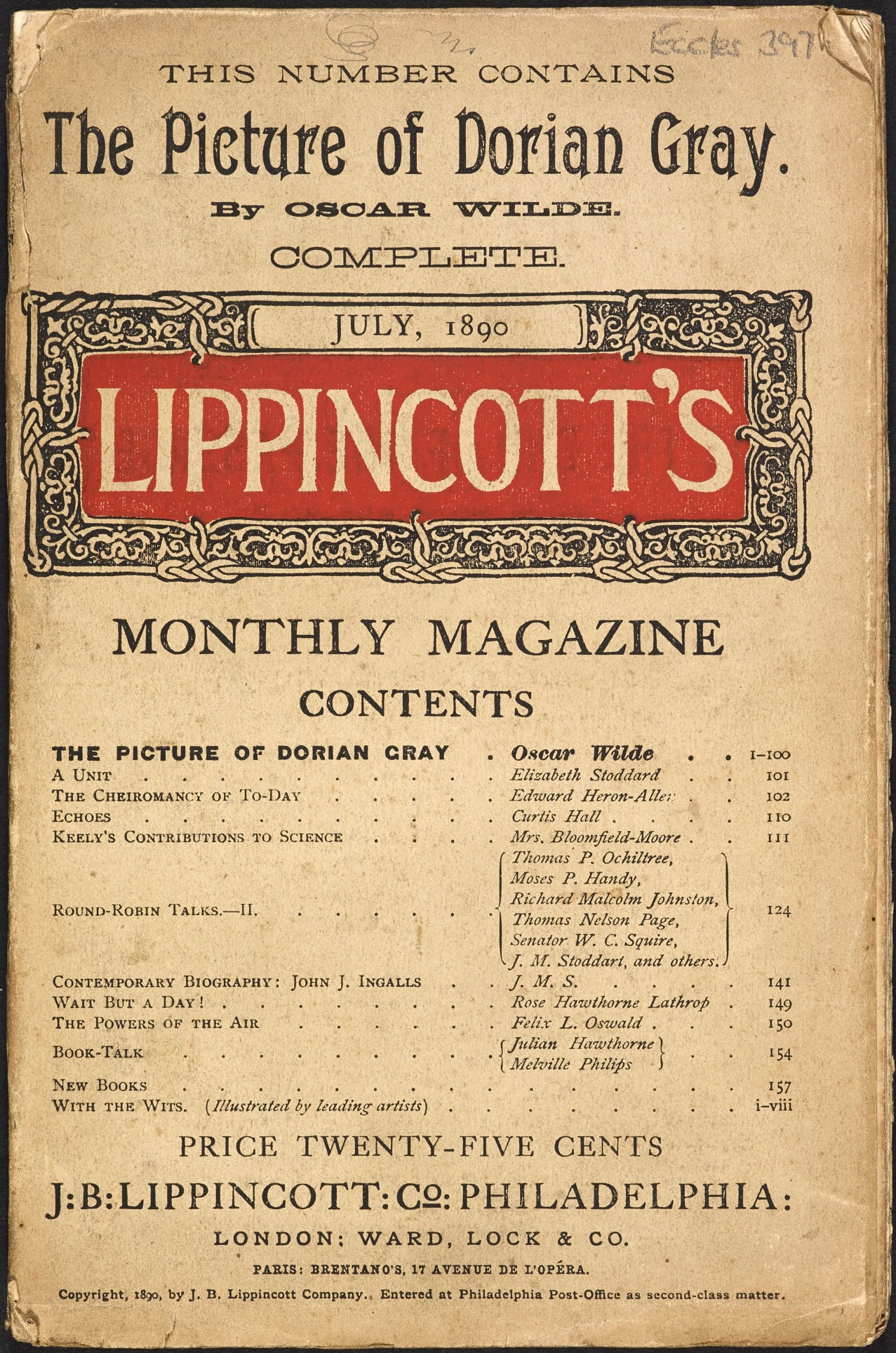
1890
What if you could stay beautiful forever while something else bore the weight of your sins? Oscar Wilde's only novel asks this question with such seductive precision that it still feels dangerous over a century later. The story follows Dorian Gray, a young man of staggering beauty who makes a Faustian bargain: let the portrait age and record his every transgression, while he remains forever young. Basil Hallward's painting captures Dorian at the height of his radiance, but it is Lord Henry Wotton who teaches Dorian that beauty is the only truth, that pleasure is the only purpose, that the self can be remade without consequence. What follows is a descent into hedonism that shocks even as it fascinates, as Dorian accumulates secrets the portrait cannot hide. Wilde's prose is poison dressed in silk - witty, razor-sharp, and unafraid to challenge the reader's own comfortable moralities. This is a Gothic nightmare wrapped in a comedy of manners, a novel that understands how corruption often begins not with villainy but with the simple, devastating desire to never grow old.
Editions

X-Ray
“The books that the world calls immoral are books that show the world its own shame.””
— Oscar Wilde
“You will always be fond of me. I represent to you all the sins you never had the courage to commit.””
— Oscar Wilde
“Experience is merely the name men gave to their mistakes.””
— Oscar Wilde
“Those who find ugly meanings in beautiful things are corrupt without being charming. This is a fault. Those who find beautiful meanings in beautiful things are the cultivated. For these there is hope. They are the elect to whom beautiful things mean only Beauty. There is no such thing as a moral or an immoral book. Books are well written, or badly written. That is all.””
— Oscar Wilde
“To define is to limit.””
— Oscar Wilde
“Nowadays people know the price of everything and the value of nothing.””
— Oscar Wilde
“I don't want to be at the mercy of my emotions. I want to use them, to enjoy them, and to dominate them.””
— Oscar Wilde
“Behind every exquisite thing that existed, there was something tragic.””
— Oscar Wilde
“The only way to get rid of temptation is to yield to it.””
— Oscar Wilde
About The Picture of Dorian Gray
Chapter Summaries
- 1
- Basil Hallward, a painter, discusses his latest portrait of a beautiful young man, Dorian Gray, with his cynical friend Lord Henry Wotton. Basil expresses his deep adoration for Dorian and his reluctance to exhibit the portrait, fearing it reveals too much of his soul.
- 2
- Dorian Gray meets Lord Henry for the first time at Basil's studio. Lord Henry's eloquent speech on the fleeting nature of youth and beauty deeply affects Dorian, who wishes his portrait would bear the burden of age and sin instead of himself. The portrait is finished, and Dorian is struck by its beauty and the realization of his own impending loss of youth.
- 3
- Lord Henry visits his uncle, Lord Fermor, to inquire about Dorian Gray's family background, learning about his mother's tragic romance and death. Later, at Lady Agatha's luncheon, Lord Henry continues to expound his cynical philosophies, captivating Dorian and further drawing him into his influence.
Key Themes
- Beauty and Youth
- The novel explores the ephemeral nature of physical beauty and the obsessive desire to preserve youth. Dorian's wish for his portrait to age instead of himself highlights society's superficial valuation of appearance over character, ultimately leading to his moral decay.
- Morality and Immorality
- Wilde challenges conventional Victorian morality through Lord Henry's hedonistic philosophy and Dorian's subsequent actions. The book questions whether art should serve a moral purpose and examines the consequences of living a life devoid of ethical considerations.
- Art and Aesthetics
- The preface and the narrative itself delve into the purpose of art, asserting its autonomy from moral judgment. The portrait acts as a symbolic representation of art's power to reflect truth and beauty, but also the artist's soul and the sitter's inner corruption.
Characters
- Dorian Gray(protagonist)
- A young man of extraordinary beauty whose portrait ages and records his sins while he remains eternally youthful and unblemished.
Link to this book
Add a free, dofollow link to Lex on your blog, forum, syllabus, or reading list.

<a href="https://lex-books.com/book/the-picture-of-dorian-gray-3f27d9db-c168-4866-aab5-e999c6c05005"><img src="https://lex-books.com/badges/read-on-lex.svg" alt="Read The Picture of Dorian Gray by Oscar Wilde free on Lex" width="160" height="40"></a>[](https://lex-books.com/book/the-picture-of-dorian-gray-3f27d9db-c168-4866-aab5-e999c6c05005)[url=https://lex-books.com/book/the-picture-of-dorian-gray-3f27d9db-c168-4866-aab5-e999c6c05005][img]https://lex-books.com/badges/read-on-lex.svg[/img][/url]Read The Picture of Dorian Gray by Oscar Wilde free on Lex: https://lex-books.com/book/the-picture-of-dorian-gray-3f27d9db-c168-4866-aab5-e999c6c05005Cite this book
Reading this edition for a paper or guide? Copy a citation.
Wilde, Oscar. The Picture of Dorian Gray. Lex, lex-books.com/book/the-picture-of-dorian-gray-3f27d9db-c168-4866-aab5-e999c6c05005.Wilde, O. (1890). The Picture of Dorian Gray. Lex. https://lex-books.com/book/the-picture-of-dorian-gray-3f27d9db-c168-4866-aab5-e999c6c05005Wilde, Oscar. The Picture of Dorian Gray. Lex. https://lex-books.com/book/the-picture-of-dorian-gray-3f27d9db-c168-4866-aab5-e999c6c05005.