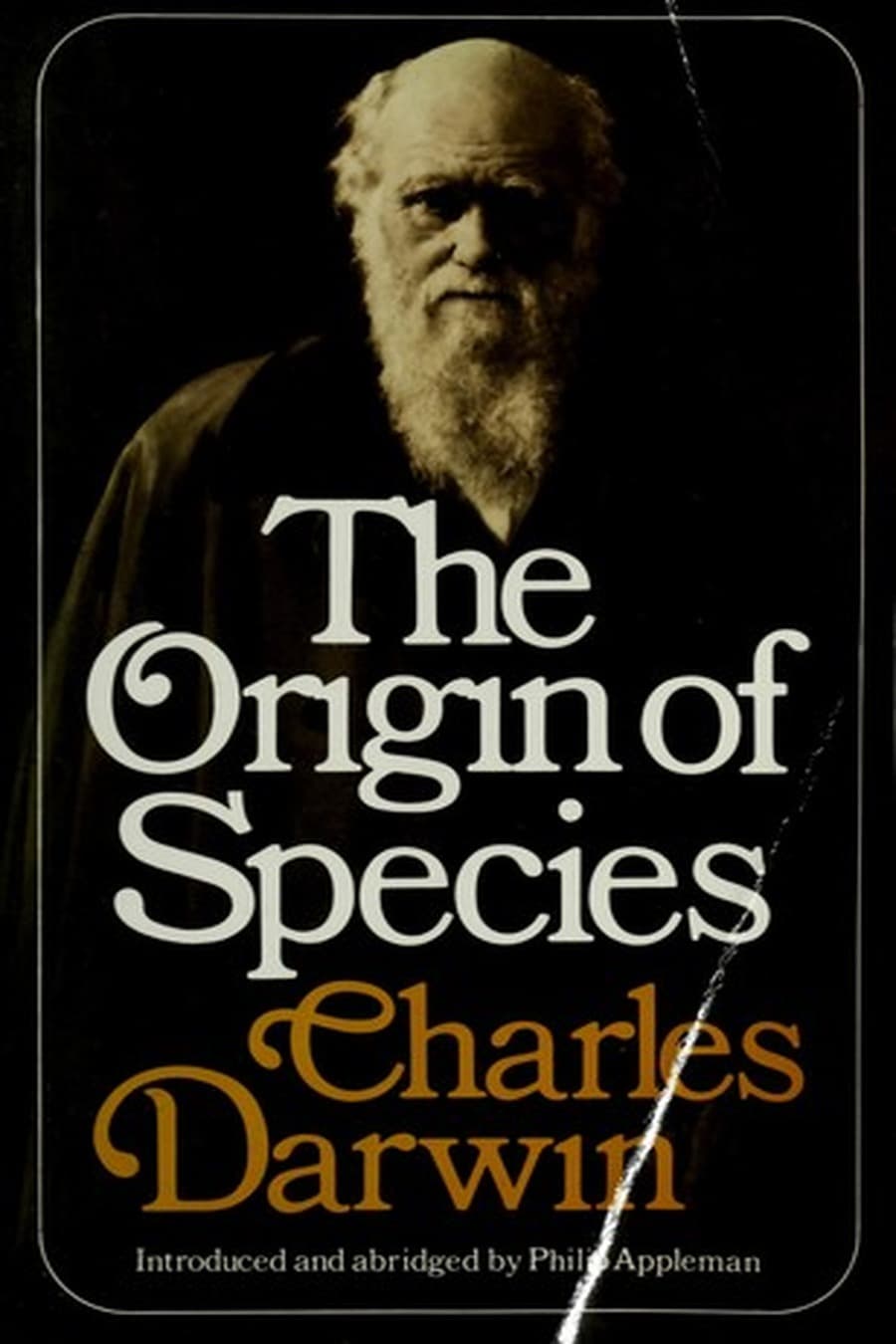
The Origin of Species by Means of Natural Selection: Or, the Preservation of Favoured Races in the Struggle for Life, 6th Edition
1801
The Origin of Species by Means of Natural Selection: Or, the Preservation of Favoured Races in the Struggle for Life, 6th Edition
1801
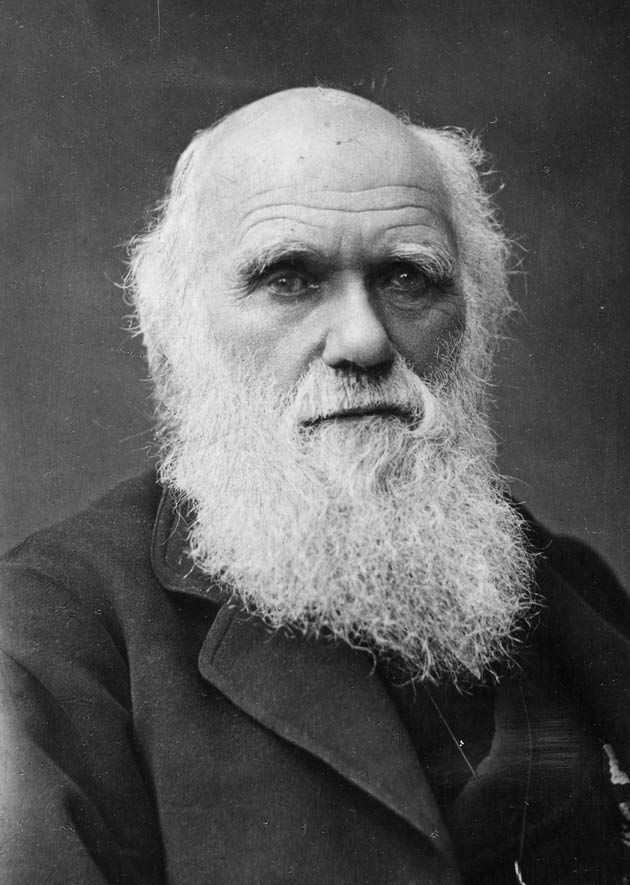
The book that remade our understanding of life itself. When Darwin published On the Origin of Species in 1859, he exposed a truth the world was not ready for: species are not immutable creations but rather the outcome of countless small adaptations, each shaped by the ruthless logic of survival. Drawing on evidence gathered across decades, from the Galápagos Islands to pigeon-breeding sheds, from geological extinction patterns to the fierce competition among barnacles, Darwin constructed an argument so thorough, so patient, that denial became increasingly untenable. The writing moves with literary grace for a work of such scientific density, weaving vivid anecdotes (tortoises, finches, the strange logic of domestic breeding) into a framework that reveals the natural world as a theater of endless variation and quiet violence. Yet the book transcends mere biology. Darwin's vision of interconnected life, where every creature exists in complex relation to climate, terrain, and one another, quietly implies something profound about humanity's own origin. It remains essential not because it answers every question, but because it asked the right one.
Editions

X-Ray
“Thus, from the war of nature, from famine and death, the most exalted object which we are capable of conceiving, namely, the production of the higher animals, directly follows. There is grandeur in this view of life, with its several powers, having been originally breathed into a few forms or into one; and that, whilst this planet has gone cycling on according to the fixed law of gravity, from so simple a beginning endless forms most beautiful and most wonderful have been, and are being, evolved.””
— Charles Darwin
“There is grandeur in this view of life, with its several powers, having been originally breathed into a few forms or into one; and that, whilst this planet has gone cycling on according to the fixed law of gravity, from so simple a beginning endless forms most beautiful and most wonderful have been, and are being, evolved.””
— Charles Darwin
“One general law, leading to the advancement of all organic beings, namely, multiply, vary, let the strongest live and the weakest die.””
— Charles Darwin
“Man selects only for his own good: Nature only for that of the being which she tends.””
— Charles Darwin
“If it could be demonstrated that any complex organ existed, which could not possibly have been formed by numerous, successive, slight modifications, my theory would absolutely break down. But I can find no such case.””
— Charles Darwin
“I see no good reasons why the views given in this volume should shock the religious views of anyone.””
— Charles Darwin
“Nothing is easier than to admit in words the truth of the universal struggle for life, or more difficult--at least I have found it so--than constantly to bear this conclusion in mind.””
— Charles Darwin
“...for the shield may be as important for victory, as the sword or spear.””
— Charles Darwin
“Nevertheless so profound is our ignorance, and so high our presumption, that we marvel when we hear of the extinction of an organic being; and as we do not see the cause, we invoke cataclysms to desolate the world, or invent laws on the duration of the forms of life!””
— Charles Darwin
Link to this book
Add a free, dofollow link to Lex on your blog, forum, syllabus, or reading list.

<a href="https://lex-books.com/book/the-origin-of-species-by-means-of-natural-selection-or-the-preservation-of-favou-6a0c2a2f-11ee-4f26-99b5-c52d5b5fa14a"><img src="https://lex-books.com/badges/read-on-lex.svg" alt="Read The Origin of Species by Means of Natural Selection: Or, the Preservation of Favoured Races in the Struggle for Life, 6th Edition by Charles Darwin free on Lex" width="160" height="40"></a>[](https://lex-books.com/book/the-origin-of-species-by-means-of-natural-selection-or-the-preservation-of-favou-6a0c2a2f-11ee-4f26-99b5-c52d5b5fa14a)[url=https://lex-books.com/book/the-origin-of-species-by-means-of-natural-selection-or-the-preservation-of-favou-6a0c2a2f-11ee-4f26-99b5-c52d5b5fa14a][img]https://lex-books.com/badges/read-on-lex.svg[/img][/url]Read The Origin of Species by Means of Natural Selection: Or, the Preservation of Favoured Races in the Struggle for Life, 6th Edition by Charles Darwin free on Lex: https://lex-books.com/book/the-origin-of-species-by-means-of-natural-selection-or-the-preservation-of-favou-6a0c2a2f-11ee-4f26-99b5-c52d5b5fa14aCite this book
Reading this edition for a paper or guide? Copy a citation.
Darwin, Charles. The Origin of Species by Means of Natural Selection: Or, the Preservation of Favoured Races in the Struggle for Life, 6th Edition. Lex, lex-books.com/book/the-origin-of-species-by-means-of-natural-selection-or-the-preservation-of-favou-6a0c2a2f-11ee-4f26-99b5-c52d5b5fa14a.Darwin, C. (1801). The Origin of Species by Means of Natural Selection: Or, the Preservation of Favoured Races in the Struggle for Life, 6th Edition. Lex. https://lex-books.com/book/the-origin-of-species-by-means-of-natural-selection-or-the-preservation-of-favou-6a0c2a2f-11ee-4f26-99b5-c52d5b5fa14aDarwin, Charles. The Origin of Species by Means of Natural Selection: Or, the Preservation of Favoured Races in the Struggle for Life, 6th Edition. Lex. https://lex-books.com/book/the-origin-of-species-by-means-of-natural-selection-or-the-preservation-of-favou-6a0c2a2f-11ee-4f26-99b5-c52d5b5fa14a.