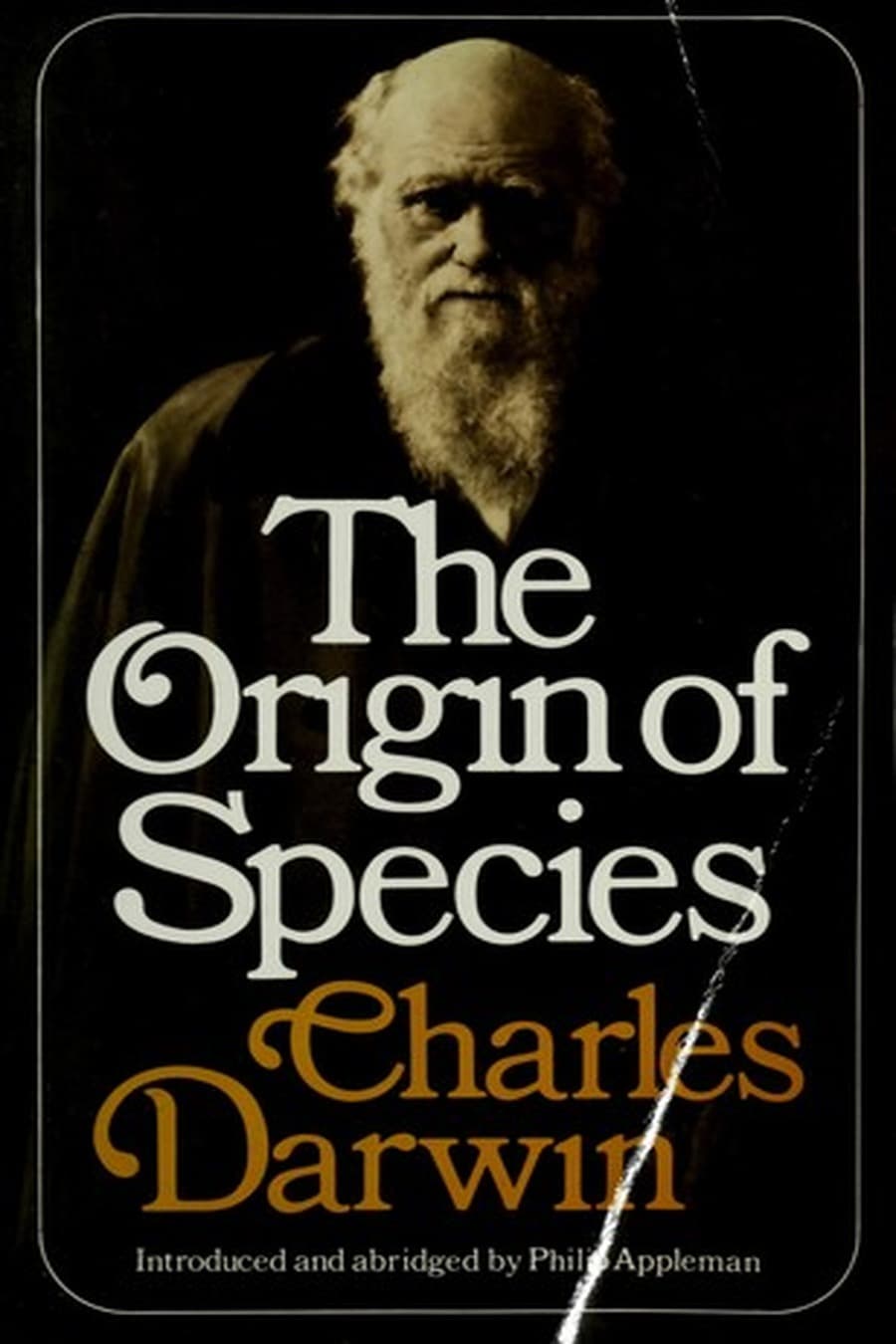
On the Origin of Species by Means of Natural Selection: Or, the Preservation of Favoured Races in the Struggle for Life
1859
On the Origin of Species by Means of Natural Selection: Or, the Preservation of Favoured Races in the Struggle for Life
1859
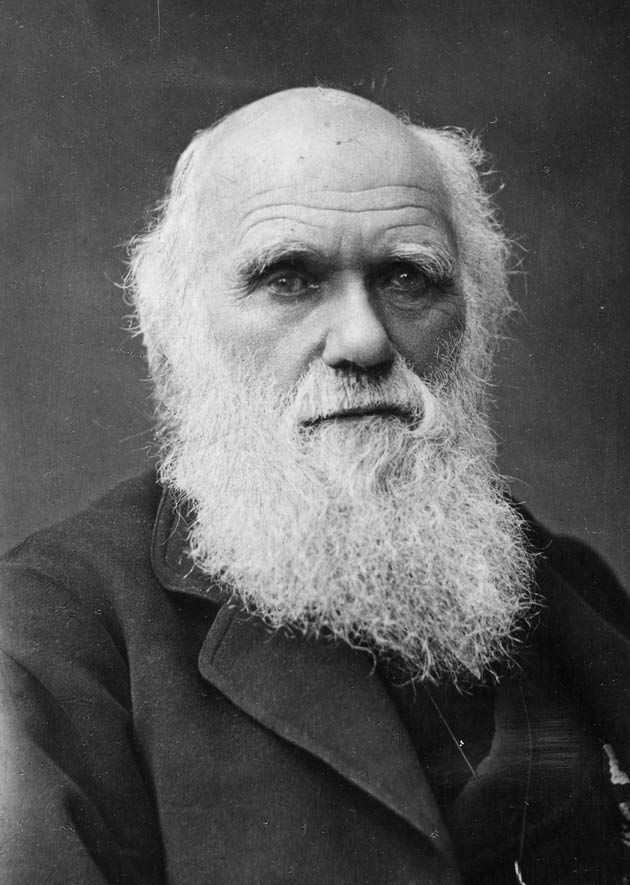
In 1859, a quiet English naturalist published a book that would detonate like a bomb beneath Western civilization. Charles Darwin had spent decades accumulating evidence from his voyage aboard the HMS Beagle, from fossil beds, from the breeding of pigeons and dogs, from the tangled geography of remote islands. What he proposed was simple in its elegance and devastating in its implications: life is not fixed, but flows and changes. Species evolve through natural selection, where those organisms better suited to their environment survive to reproduce, while others vanish. It is a vision of nature that is pitiless in its indifference yet breathtaking in its interconnection. Darwin anticipated every objection, met every critique with data, and wrote for the curious layperson rather than only his scientific peers. The Origin of Species did not merely add a new chapter to biology; it rewrote the entire book, establishing the framework through which we now understand all life on Earth, including our own species. More than a century and a half later, it remains the foundation upon which every modern discovery in genetics, medicine, and ecology is built.
Editions

X-Ray
“Thus, from the war of nature, from famine and death, the most exalted object which we are capable of conceiving, namely, the production of the higher animals, directly follows. There is grandeur in this view of life, with its several powers, having been originally breathed into a few forms or into one; and that, whilst this planet has gone cycling on according to the fixed law of gravity, from so simple a beginning endless forms most beautiful and most wonderful have been, and are being, evolved.””
— Charles Darwin
“There is grandeur in this view of life, with its several powers, having been originally breathed into a few forms or into one; and that, whilst this planet has gone cycling on according to the fixed law of gravity, from so simple a beginning endless forms most beautiful and most wonderful have been, and are being, evolved.””
— Charles Darwin
“One general law, leading to the advancement of all organic beings, namely, multiply, vary, let the strongest live and the weakest die.””
— Charles Darwin
“Man selects only for his own good: Nature only for that of the being which she tends.””
— Charles Darwin
“If it could be demonstrated that any complex organ existed, which could not possibly have been formed by numerous, successive, slight modifications, my theory would absolutely break down. But I can find no such case.””
— Charles Darwin
“I see no good reasons why the views given in this volume should shock the religious views of anyone.””
— Charles Darwin
“Nothing is easier than to admit in words the truth of the universal struggle for life, or more difficult--at least I have found it so--than constantly to bear this conclusion in mind.””
— Charles Darwin
“...for the shield may be as important for victory, as the sword or spear.””
— Charles Darwin
“Nevertheless so profound is our ignorance, and so high our presumption, that we marvel when we hear of the extinction of an organic being; and as we do not see the cause, we invoke cataclysms to desolate the world, or invent laws on the duration of the forms of life!””
— Charles Darwin
Link to this book
Add a free, dofollow link to Lex on your blog, forum, syllabus, or reading list.

<a href="https://lex-books.com/book/on-the-origin-of-species-by-means-of-natural-selection-or-the-preservation-of-fa-35119657-61b1-4353-ac7d-61b2802e459c"><img src="https://lex-books.com/badges/read-on-lex.svg" alt="Read On the Origin of Species by Means of Natural Selection: Or, the Preservation of Favoured Races in the Struggle for Life by Charles Darwin free on Lex" width="160" height="40"></a>[](https://lex-books.com/book/on-the-origin-of-species-by-means-of-natural-selection-or-the-preservation-of-fa-35119657-61b1-4353-ac7d-61b2802e459c)[url=https://lex-books.com/book/on-the-origin-of-species-by-means-of-natural-selection-or-the-preservation-of-fa-35119657-61b1-4353-ac7d-61b2802e459c][img]https://lex-books.com/badges/read-on-lex.svg[/img][/url]Read On the Origin of Species by Means of Natural Selection: Or, the Preservation of Favoured Races in the Struggle for Life by Charles Darwin free on Lex: https://lex-books.com/book/on-the-origin-of-species-by-means-of-natural-selection-or-the-preservation-of-fa-35119657-61b1-4353-ac7d-61b2802e459cCite this book
Reading this edition for a paper or guide? Copy a citation.
Darwin, Charles. On the Origin of Species by Means of Natural Selection: Or, the Preservation of Favoured Races in the Struggle for Life. Lex, lex-books.com/book/on-the-origin-of-species-by-means-of-natural-selection-or-the-preservation-of-fa-35119657-61b1-4353-ac7d-61b2802e459c.Darwin, C. (1859). On the Origin of Species by Means of Natural Selection: Or, the Preservation of Favoured Races in the Struggle for Life. Lex. https://lex-books.com/book/on-the-origin-of-species-by-means-of-natural-selection-or-the-preservation-of-fa-35119657-61b1-4353-ac7d-61b2802e459cDarwin, Charles. On the Origin of Species by Means of Natural Selection: Or, the Preservation of Favoured Races in the Struggle for Life. Lex. https://lex-books.com/book/on-the-origin-of-species-by-means-of-natural-selection-or-the-preservation-of-fa-35119657-61b1-4353-ac7d-61b2802e459c.