The Memorabilia
1897
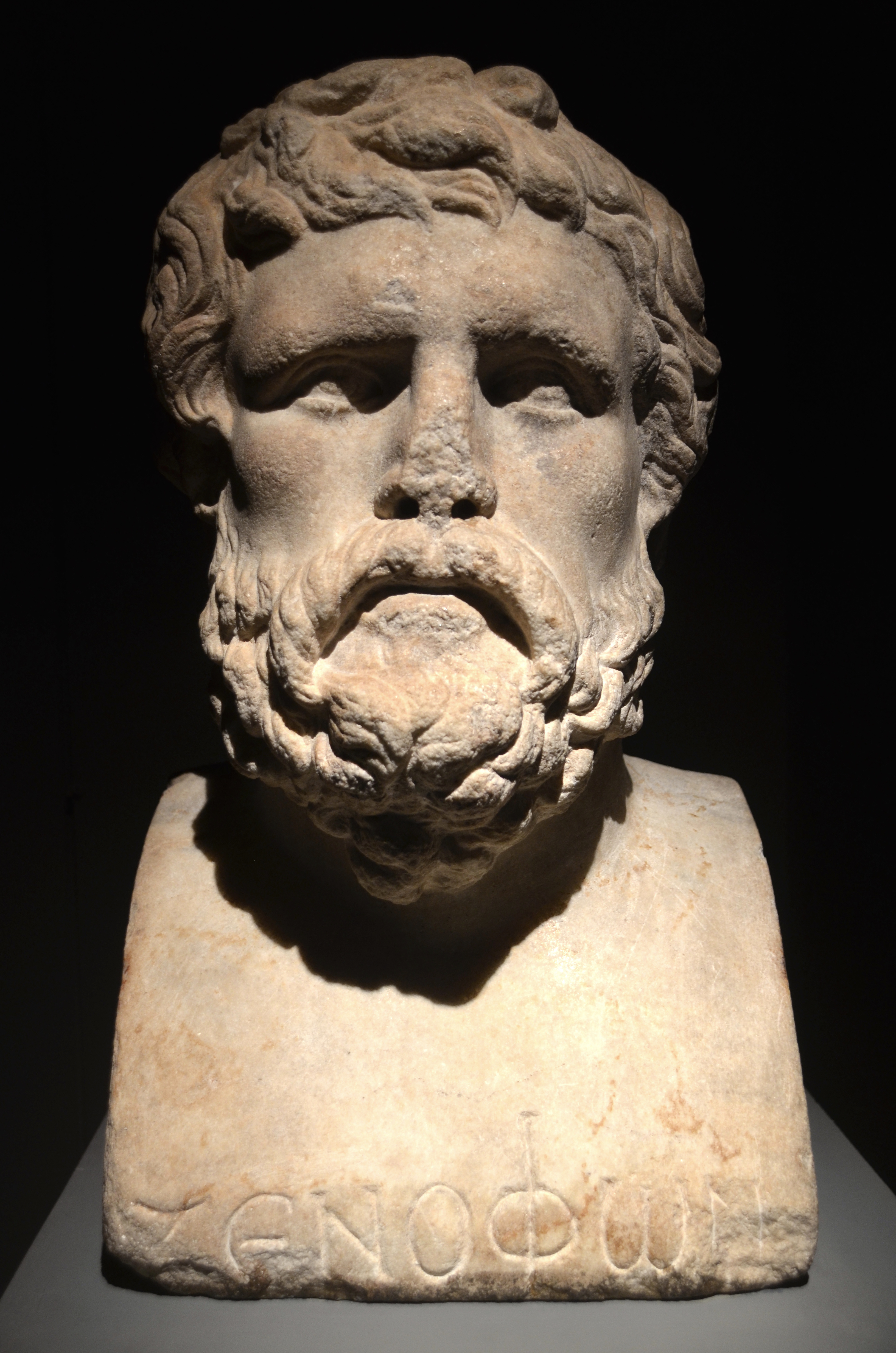
Xenophon wrote this defense of Socrates around 2,400 years ago, but it reads like it was composed yesterday by someone still raw with grief and injustice. After Athens executed his teacher for impiety and corrupting the youth, Xenophon set out to prove the charges false. What emerges is not merely a legal argument but a portrait of a man who spent his life asking uncomfortable questions in the marketplace, in the gymnasium, anywhere people gathered to think. The Socrates we meet here is relentlessly practical: he wanted his students to become better farmers, better soldiers, better citizens. He believed virtue could be taught, that nobody did wrong knowingly, that the unexamined life was not worth living. Alongside the Apology (Socrates' defense at trial) and extended dialogues on ethics, Xenophon includes surprising pieces: a treatise on estate management and a dinner party exploring love. These ground the philosopher in the physical world. This is the only surviving alternative to Plato's Socrates, and the differences between them are as illuminating as the similarities.
Editions
X-Ray
“People often say what is right and do what is wrong; but nobody can be in the wrong if he is doing what is right.””
— Xenophon
“Most people, when they are set upon looking into other people's affairs, never turn to examine themselves.””
— Xenophon
“for as they who use no bodily exercises are awkward and unwieldy in the actions of the body, so they who exercise not their minds are incapable of the noble actions of the mind, and have not courage enough to undertake anything worthy of praise, nor command enough over themselves to abstain from things that are forbid.””
— Xenophon
“The man who doesn't know his own ability is ignorant of himself.””
— Xenophon
“And do you think, you fool," added Socrates, "that kisses of love are not venomous, because you perceive not the poison? Know that a beautiful person is a more dangerous animal than scorpions, because these cannot wound unless they touch us; but beauty strikes at a distance: from what place soever we can but behold her, she darts her venom upon us, and overthrows our judgment.””
— Xenophon
“he who marries a beautiful woman in hopes of being happy with her knows not but that even she herself may be the cause of all his uneasinesses;””
— Xenophon
“For I believe that the best life is lived by those who take the best care to make themselves as good as possible, and the pleasantest life by those who are most conscious that they are becoming better.””
— Xenophon
“Nothing that is really good and admirable is granted by the gods to men without some effort and application.””
— Xenophon
“I am a stranger in all countries.””
— Xenophon
Link to this book
Add a free, dofollow link to Lex on your blog, forum, syllabus, or reading list.

<a href="https://lex-books.com/book/the-memorabilia-dc9376fb-b979-46b4-9c39-511af26f77fa"><img src="https://lex-books.com/badges/read-on-lex.svg" alt="Read The Memorabilia by Xenophon free on Lex" width="160" height="40"></a>[](https://lex-books.com/book/the-memorabilia-dc9376fb-b979-46b4-9c39-511af26f77fa)[url=https://lex-books.com/book/the-memorabilia-dc9376fb-b979-46b4-9c39-511af26f77fa][img]https://lex-books.com/badges/read-on-lex.svg[/img][/url]Read The Memorabilia by Xenophon free on Lex: https://lex-books.com/book/the-memorabilia-dc9376fb-b979-46b4-9c39-511af26f77faCite this book
Reading this edition for a paper or guide? Copy a citation.
Xenophon. The Memorabilia. Lex, lex-books.com/book/the-memorabilia-dc9376fb-b979-46b4-9c39-511af26f77fa.Xenophon (1897). The Memorabilia. Lex. https://lex-books.com/book/the-memorabilia-dc9376fb-b979-46b4-9c39-511af26f77faXenophon. The Memorabilia. Lex. https://lex-books.com/book/the-memorabilia-dc9376fb-b979-46b4-9c39-511af26f77fa.