The Last Man
1826
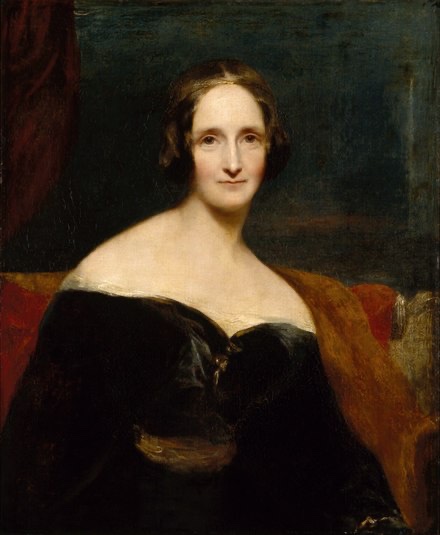
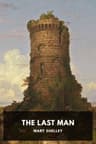
Written in the shadow of her husband's drowning and Byron's death, Mary Shelley imagined humanity's final days in this eerie, grief-stricken novel. The year is 2100. A bubonic plague has swept the globe, decimating civilization in waves of fire and suffering. Lionel Verney, born a peasant but raised to nobility through circumstance, stands as humanity's reluctant chronicler. Through his eyes we watch the collapse of a world: the courts empty, the cities silent, the last remnants of humanity clinging to hope as the sea swallows what's left of England. At its heart, this is a novel about the failure of the Romantic imagination to save anything, the insufficiency of friendship and love against the mathematics of extinction. Shelley pours her private devastation into public ruin, creating something that reads less like science fiction than like a memorial for everyone she ever loved. The result is haunting, uneven, and unforgettable: an apocalyptic vision that predates modern dystopian literature by over a century.
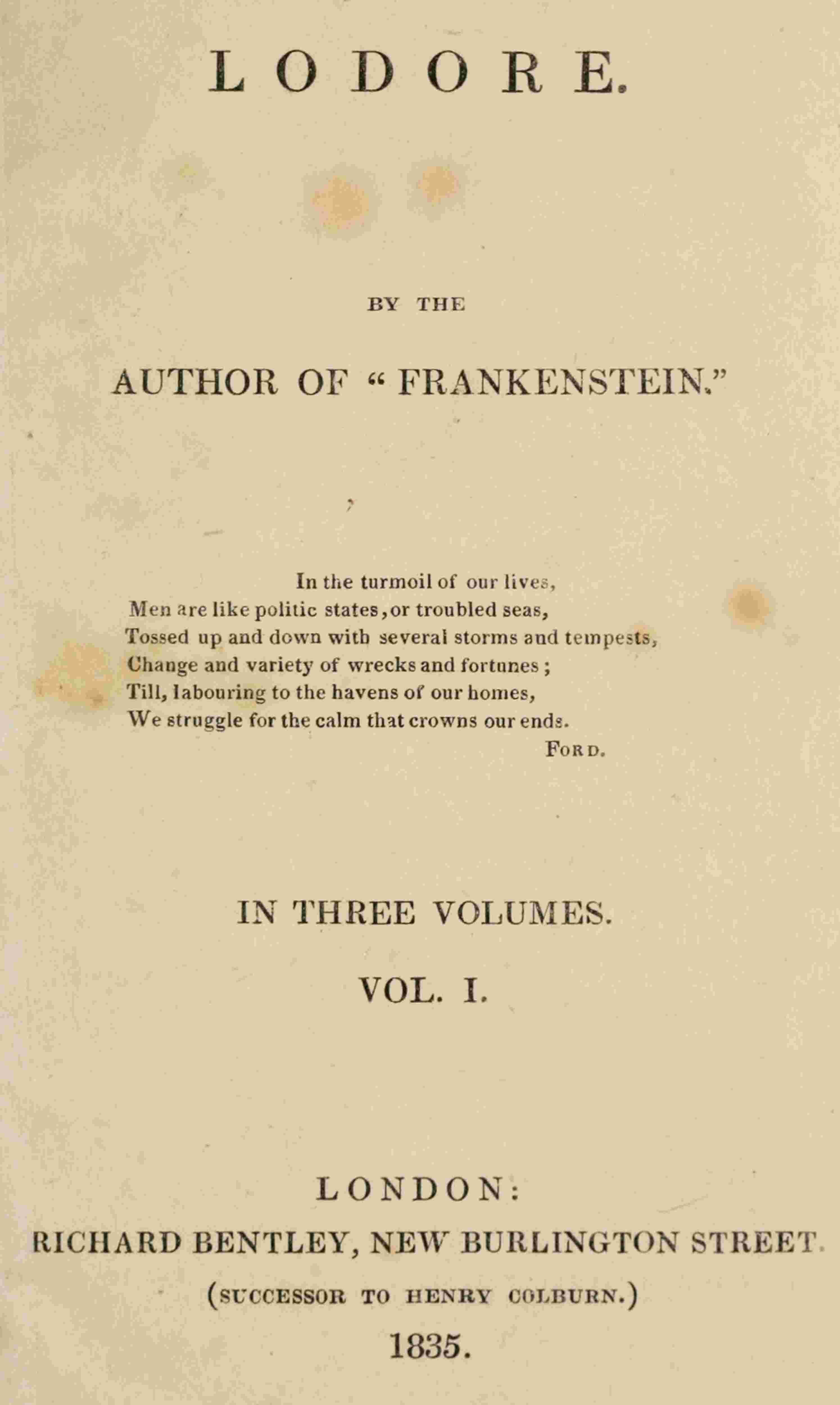
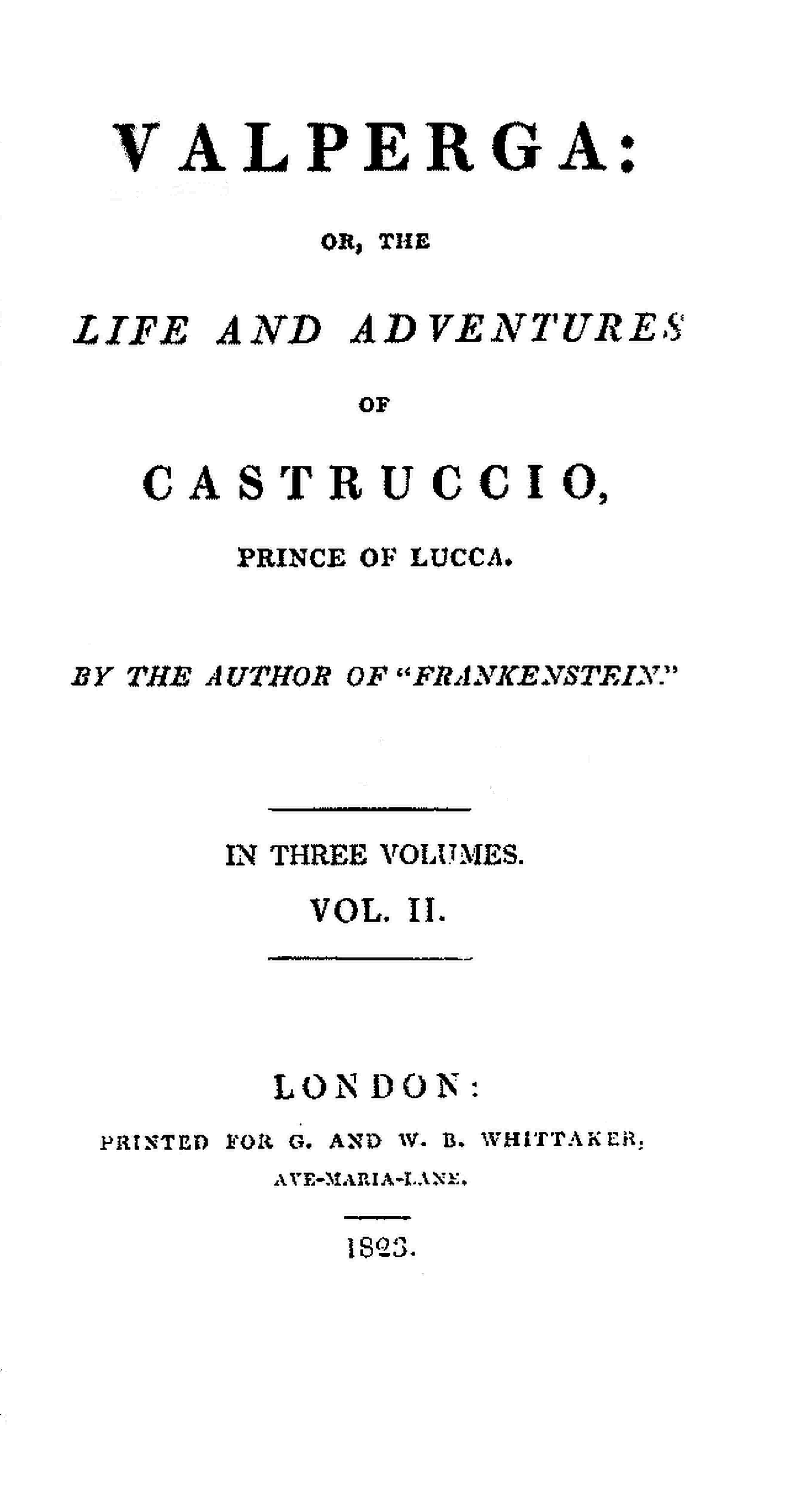
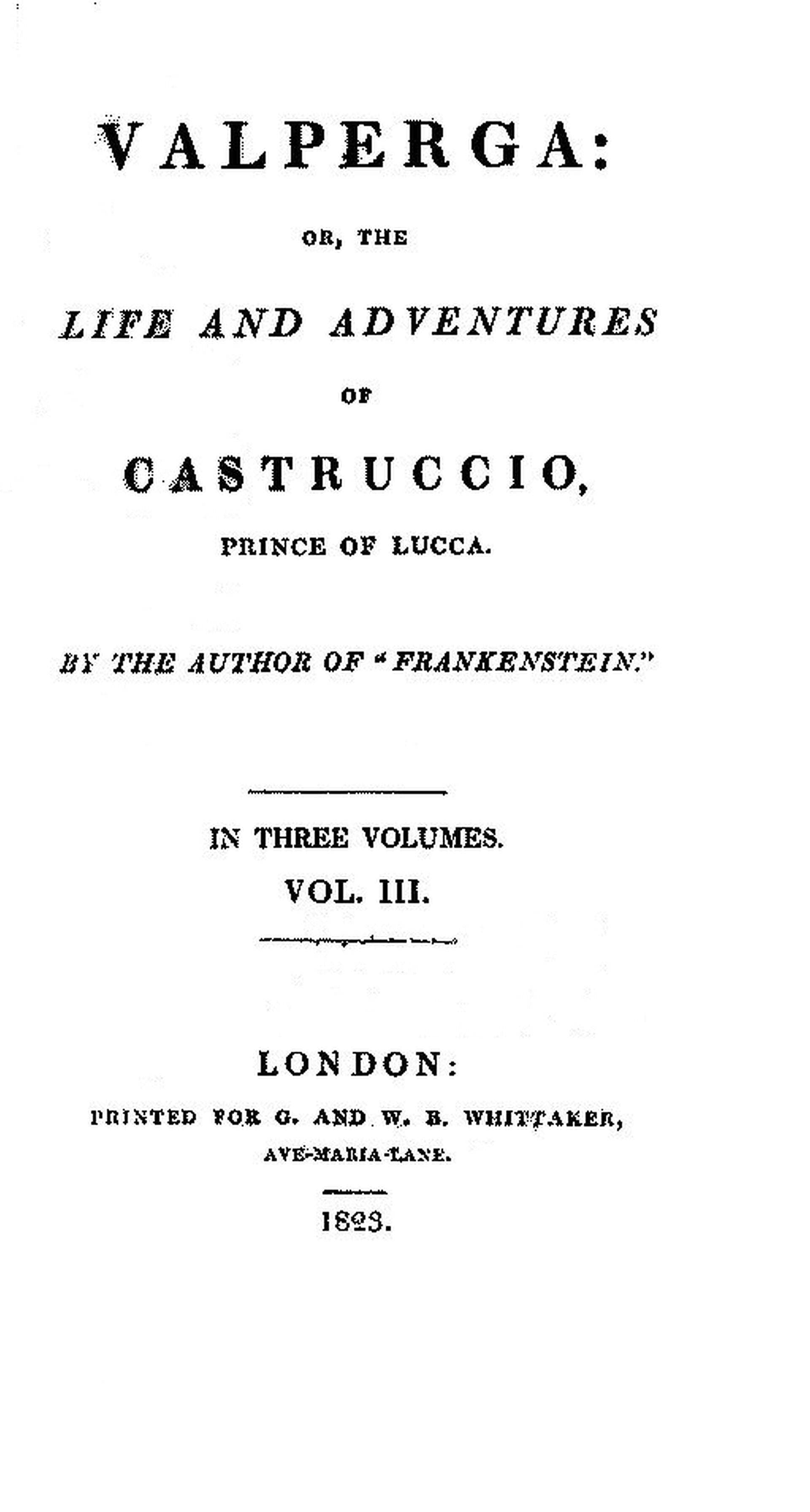
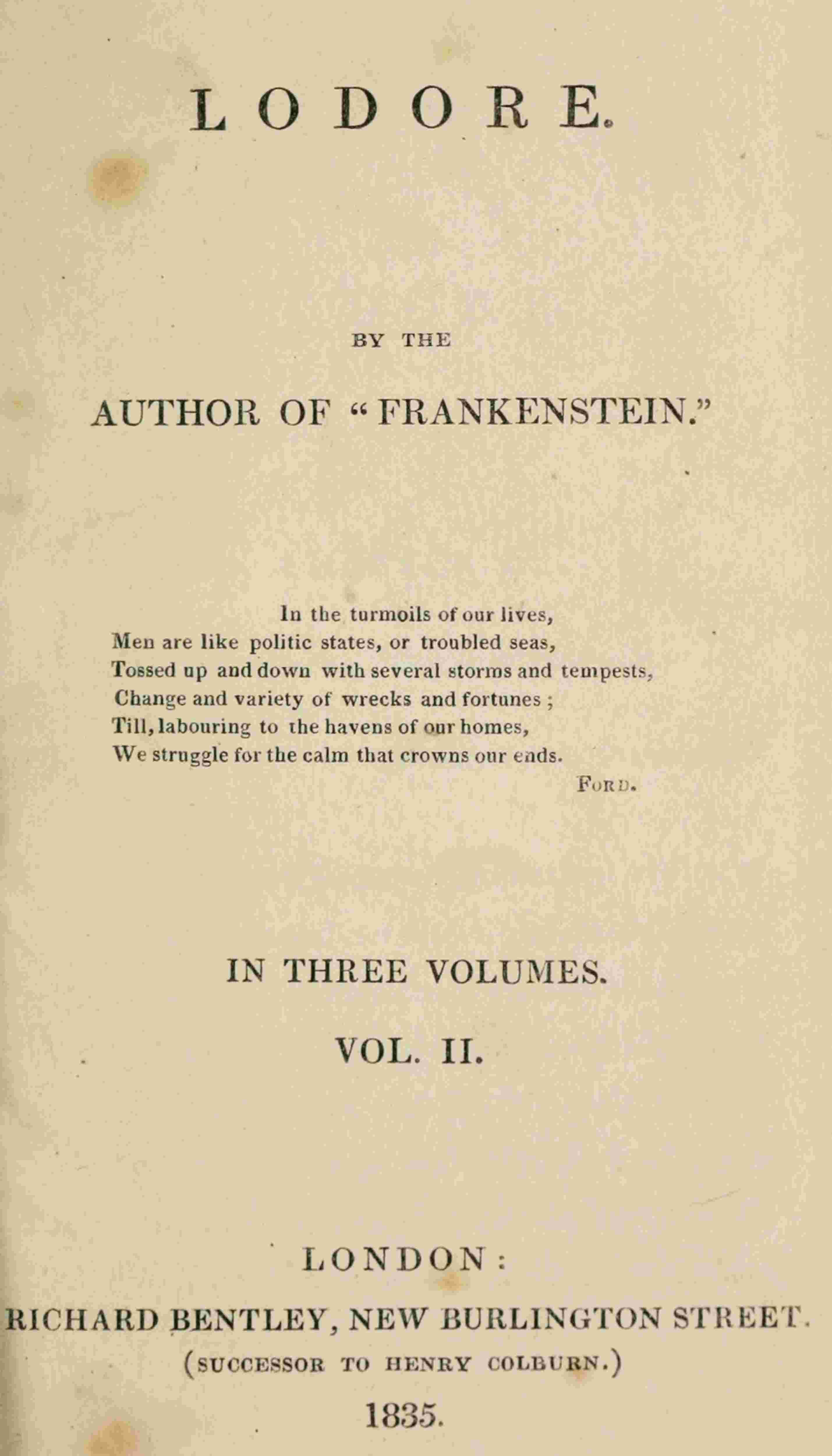
Editions
X-Ray
“Her countenance was all expression; her eyes were not dark but impenetrably deep; you seemed to discover space after space in their intellectual glance.””
— Mary Wollstonecraft Shelley
“What is there in our nature that is for ever urging us on towards pain and misery?””
— Mary Wollstonecraft Shelley
“I spread the whole earth out as a map before me. On no one spot of its surface could I put my finger and say, here is safety.””
— Mary Wollstonecraft Shelley
“It is a strange fact, but incontestable, that the philanthropist, who ardent in his desire to do good, who patient, reasonable and gentle, yet disdains to use other argument than truth, has less influence over men's minds than he who, grasping and selfish, refuses not to adopt any means, nor awaken any passion, nor diffuse any falsehood, for the advancement of his cause.””
— Mary Wollstonecraft Shelley
“Perfect happiness is an attribute of angels; and those who have it, appear angelic””
— Mary Wollstonecraft Shelley
“Volume II, Chapter 4"How unwise had the wanderers been, who had deserted its shelter, entangled themselves in the web of society, and entered on what men of the world call "life,"”
— Mary Wollstonecraft Shelley
“Let us live for each other and for happiness; let us seek peace in our dear home, near the inland murmur of streams, and the gracious waving of trees, the beauteous vesture of earth, and sublime pageantry of the skies. Let us leave 'life,' that we may live.””
— Mary Wollstonecraft Shelley
“Is there such a feeling as love at first sight? And if there be, in what does its nature differ from love founded in long observation and slow growth? Perhaps its effects are not so permanent; but they are, while they last, as violent and intense.””
— Mary Wollstonecraft Shelley
“Poetry and its creations, philosophy and its researches and classifications, alike awoke the sleeping ideas in my mind, and gave me new ones.””
— Mary Wollstonecraft Shelley
Link to this book
Add a free, dofollow link to Lex on your blog, forum, syllabus, or reading list.

<a href="https://lex-books.com/book/the-last-man-a328f0b8-d9be-4a73-8464-844898c2474e"><img src="https://lex-books.com/badges/read-on-lex.svg" alt="Read The Last Man by Mary Wollstonecraft Shelley free on Lex" width="160" height="40"></a>[](https://lex-books.com/book/the-last-man-a328f0b8-d9be-4a73-8464-844898c2474e)[url=https://lex-books.com/book/the-last-man-a328f0b8-d9be-4a73-8464-844898c2474e][img]https://lex-books.com/badges/read-on-lex.svg[/img][/url]Read The Last Man by Mary Wollstonecraft Shelley free on Lex: https://lex-books.com/book/the-last-man-a328f0b8-d9be-4a73-8464-844898c2474eCite this book
Reading this edition for a paper or guide? Copy a citation.
Shelley, Mary Wollstonecraft. The Last Man. Lex, lex-books.com/book/the-last-man-a328f0b8-d9be-4a73-8464-844898c2474e.Shelley, M. W. (1826). The Last Man. Lex. https://lex-books.com/book/the-last-man-a328f0b8-d9be-4a73-8464-844898c2474eShelley, Mary Wollstonecraft. The Last Man. Lex. https://lex-books.com/book/the-last-man-a328f0b8-d9be-4a73-8464-844898c2474e.