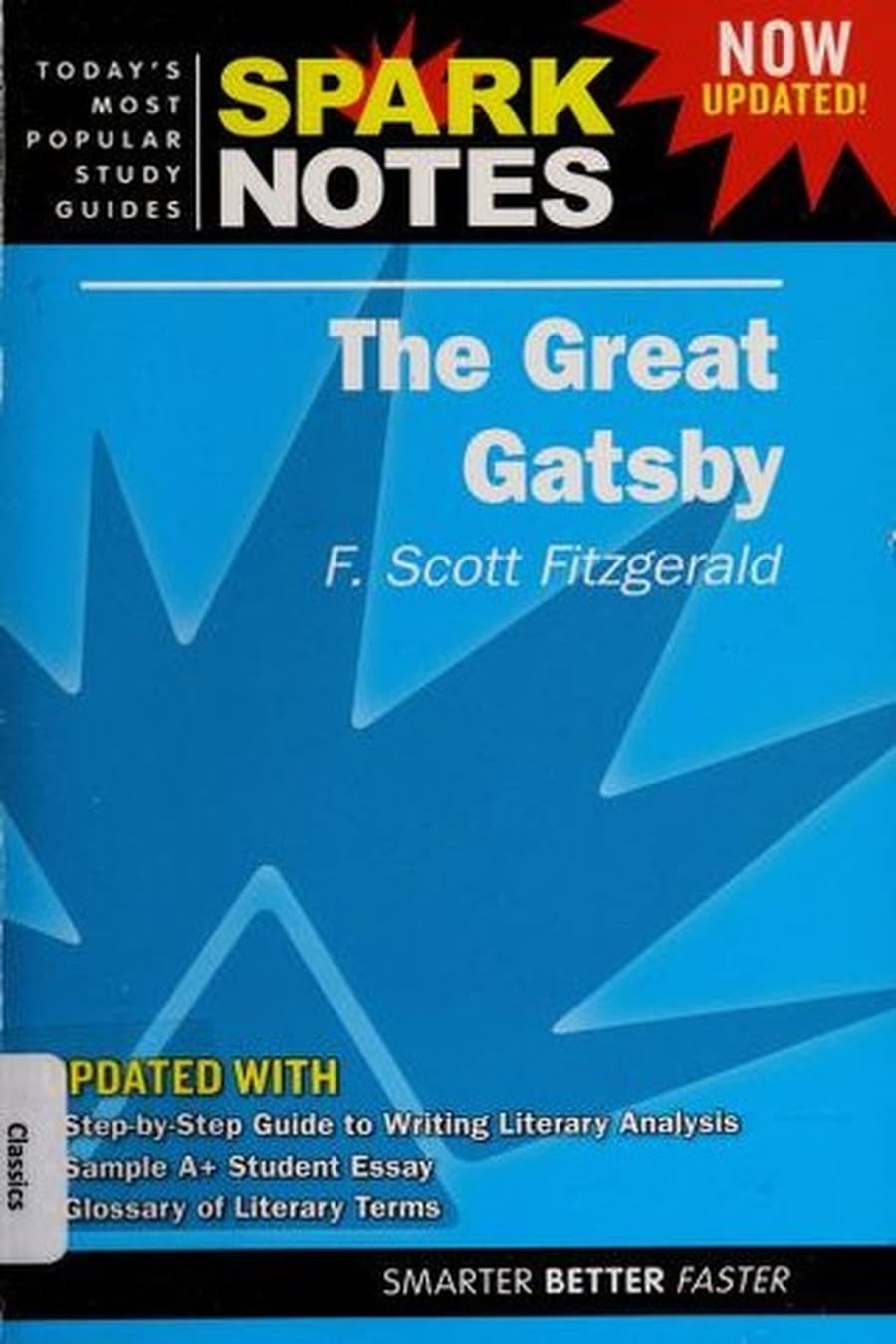
The Great Gatsby
1925
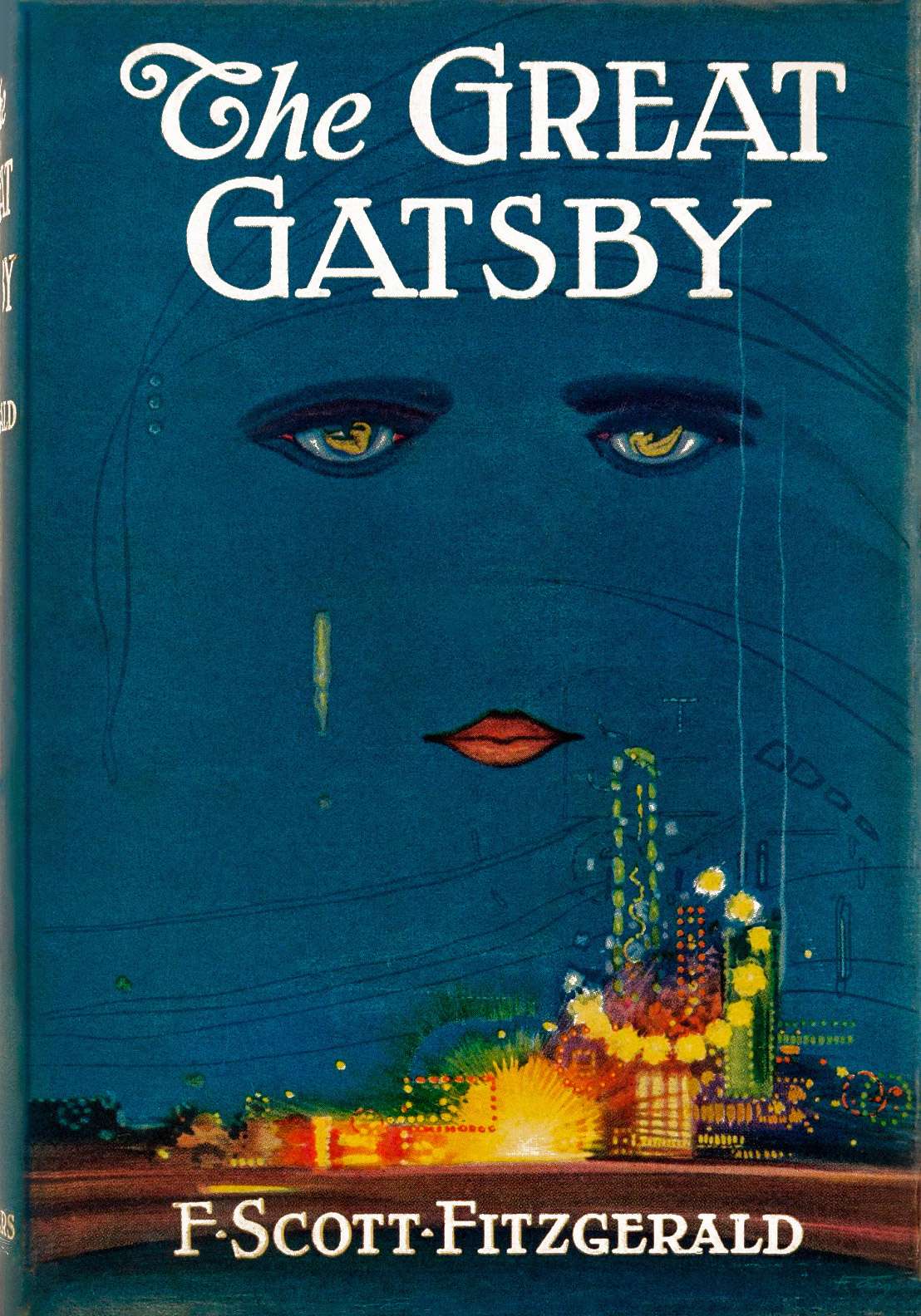
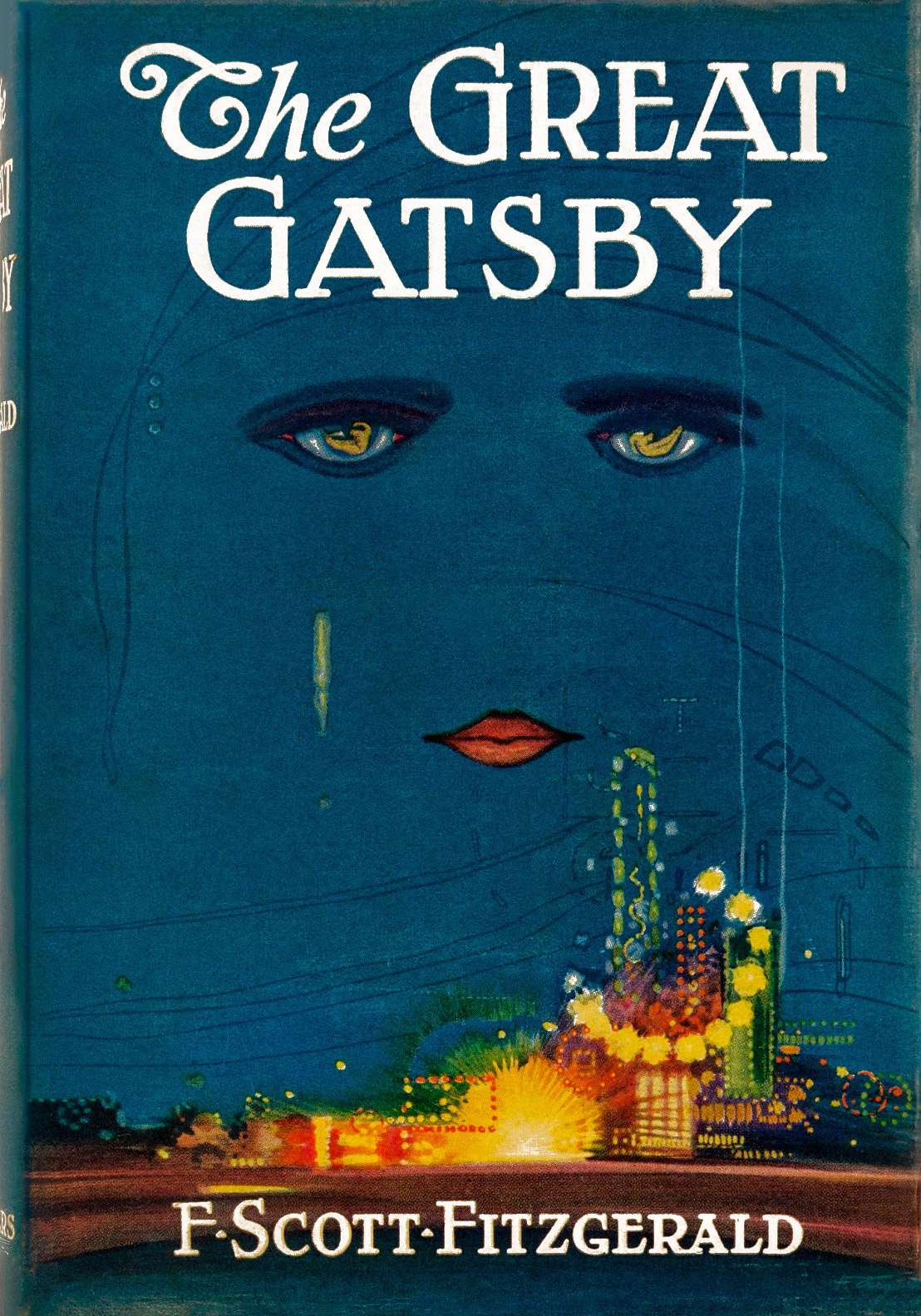
The Great Gatsby is a portrait of America at the height of its roaring prosperity, when money flowed like champagne and everyone believed they'd never run dry. Nick Carraway arrives in West Egg, Long Island, next door to the enigmatic Jay Gatsby, a man who throws parties nobody is invited to, who appears to have risen from nothing, and who lives for only one purpose: to reclaim Daisy Buchanan, the woman he loved and lost five years ago. What follows is a devastating examination of desire, class, and the dark underbelly of the American Dream. Fitzgerald's prose is liquid gold, capable of making the careless wealth of the 1920s feel both seductive and poisonous. The green light at the end of Daisy's dock burns through the entire novel like a question about what we're all really chasing. This is a novel about the danger of loving an ideal more than any real person, and the price exacted when the dream finally collides with reality. It is perhaps the most precise American novel ever written about what it means to want something you cannot have.
Editions


X-Ray
“So we beat on, boats against the current, borne back ceaselessly into the past.””
— F. Scott Fitzgerald
“I hope she'll be a fool -- that's the best thing a girl can be in this world, a beautiful little fool.””
— F. Scott Fitzgerald
“Angry, and half in love with her, and tremendously sorry, I turned away.””
— F. Scott Fitzgerald
“I was within and without, simultaneously enchanted and repelled by the inexhaustible variety of life.””
— F. Scott Fitzgerald
“And I like large parties. They’re so intimate. At small parties there isn’t any privacy.””
— F. Scott Fitzgerald
“And so with the sunshine and the great bursts of leaves growing on the trees, just as things grow in fast movies, I had that familiar conviction that life was beginning over again with the summer.””
— F. Scott Fitzgerald
“I wasn't actually in love, but I felt a sort of tender curiosity.””
— F. Scott Fitzgerald
“He smiled understandingly-much more than understandingly. It was one of those rare smiles with a quality of eternal reassurance in it, that you may come across four or five times in life. It faced--or seemed to face--the whole eternal world for an instant, and then concentrated on you with an irresistible prejudice in your favor. It understood you just as far as you wanted to be understood, believed in you as you would like to believe in yourself, and assured you that it had precisely the impression of you that, at your best, you hoped to convey.””
— F. Scott Fitzgerald
“Let us learn to show our friendship for a man when he is alive and not after he is dead.””
— F. Scott Fitzgerald
Link to this book
Add a free, dofollow link to Lex on your blog, forum, syllabus, or reading list.

<a href="https://lex-books.com/book/the-great-gatsby-1c1a5168-cd99-4d60-99c8-a55254a73eef"><img src="https://lex-books.com/badges/read-on-lex.svg" alt="Read The Great Gatsby by F. Scott Fitzgerald free on Lex" width="160" height="40"></a>[](https://lex-books.com/book/the-great-gatsby-1c1a5168-cd99-4d60-99c8-a55254a73eef)[url=https://lex-books.com/book/the-great-gatsby-1c1a5168-cd99-4d60-99c8-a55254a73eef][img]https://lex-books.com/badges/read-on-lex.svg[/img][/url]Read The Great Gatsby by F. Scott Fitzgerald free on Lex: https://lex-books.com/book/the-great-gatsby-1c1a5168-cd99-4d60-99c8-a55254a73eefCite this book
Reading this edition for a paper or guide? Copy a citation.
Fitzgerald, F. Scott. The Great Gatsby. Lex, lex-books.com/book/the-great-gatsby-1c1a5168-cd99-4d60-99c8-a55254a73eef.Fitzgerald, F. S. (1925). The Great Gatsby. Lex. https://lex-books.com/book/the-great-gatsby-1c1a5168-cd99-4d60-99c8-a55254a73eefFitzgerald, F. Scott. The Great Gatsby. Lex. https://lex-books.com/book/the-great-gatsby-1c1a5168-cd99-4d60-99c8-a55254a73eef.