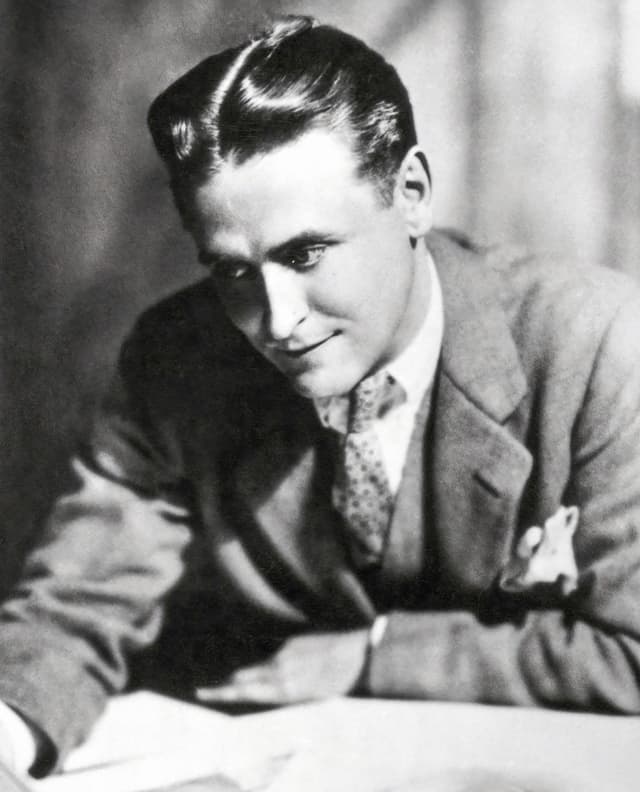
F. Scott Fitzgerald
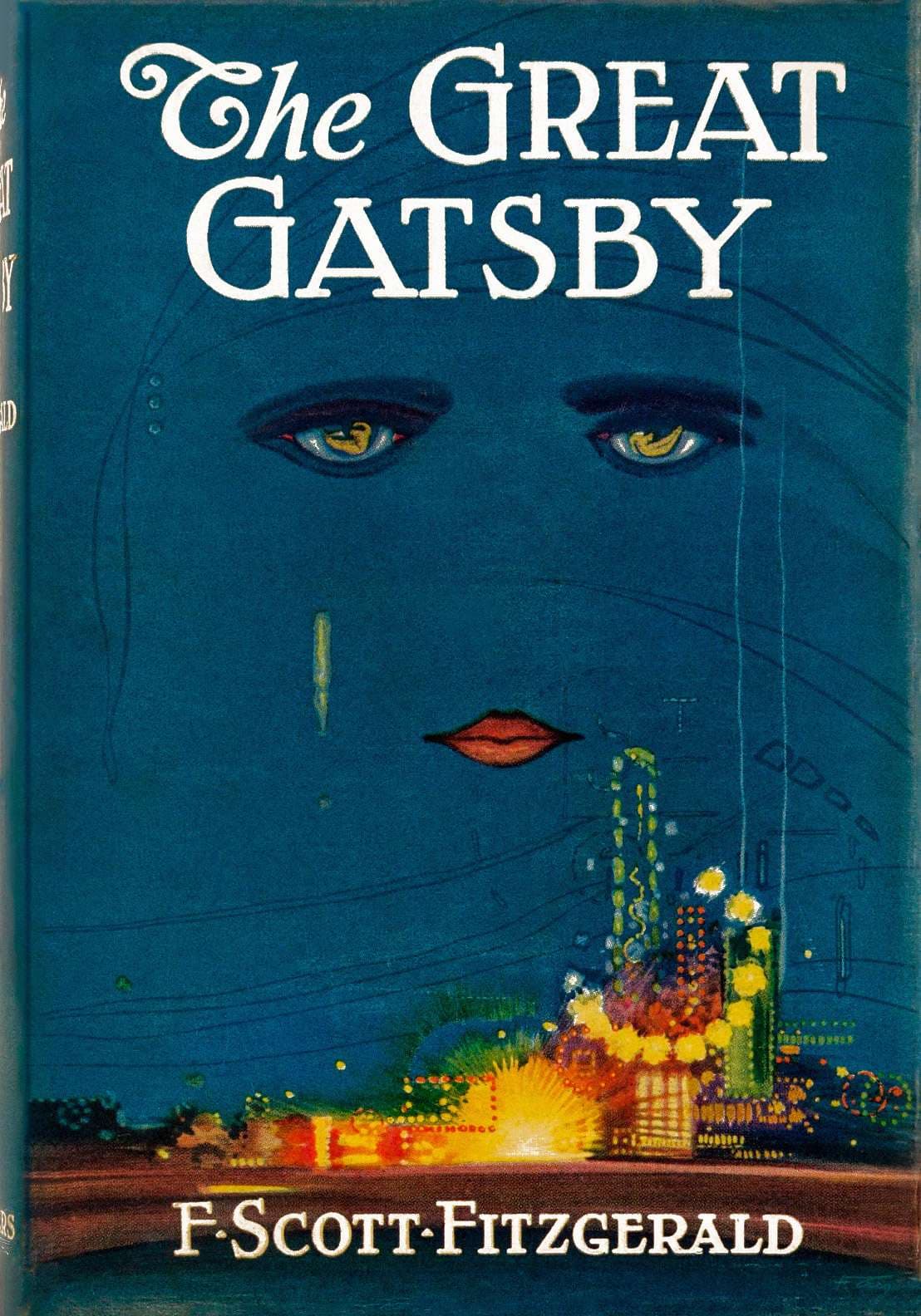
F. Scott Fitzgerald was an American novelist and short story writer renowned for his vivid portrayals of the Jazz Age, a term he popularized through his work. His most famous novel, The Great Gatsby, encapsulates the era's extravagance and moral decay, exploring themes of wealth, love, and the American Dream. Fitzgerald's literary career included four novels, four story collections, and 164 short stories, with works such as This Side of Paradise and Tender Is the Night also contributing to his reputation as a significant voice of his time. Despite achieving fame and financial success during the 1920s, Fitzgerald's work was not fully appreciated until after his death in 1940. His writing, characterized by lyrical prose and deep psychological insight, has left a lasting impact on American literature, influencing countless writers and shaping the narrative of the Roaring Twenties. Today, Fitzgerald is celebrated as one of the greatest American authors of the 20th century, with his works continuing to resonate with readers and scholars alike.
Famous Quotes
View all 95 quotes“And as I sat there brooding on the old, unknown world, I thought of Gatsby’s wonder when he first picked out the green light at the end of Daisy’s dock. He had come a long way to this blue lawn, and his dream must have seemed so close that he could hardly fail to grasp it. He did not know that it was already behind him, somewhere back in that vast obscurity beyond the city, where the dark fields of the republic rolled on under the night.Gatsby believed in the green light, the orgastic future that year by year recedes before us. It eluded us then, but that's no matter—to-morrow we will run faster, stretch out our arms farther. . . . And one fine morning——So we beat on, boats against the current, borne back ceaselessly into the past.”
“If it wasn’t for the mist we could see your home across the bay," said Gatsby. "You always have a green light that burns at the end of your dock."Daisy put her arm through his abruptly but he seemed absorbed in what he had just said. Possibly it had occurred to him that the colossal significance of that light had now vanished forever. Compared to the great distance that had separated him from Daisy it had seemed very near to him, almost touching her. It had seemed as close as a star to the moon. Now it was again a green light on a dock. His count of enchanted things had diminished by one.”
“He smiled understandingly-much more than understandingly. It was one of those rare smiles with a quality of eternal reassurance in it, that you may come across four or five times in life. It faced--or seemed to face--the whole eternal world for an instant, and then concentrated on you with an irresistible prejudice in your favor. It understood you just as far as you wanted to be understood, believed in you as you would like to believe in yourself, and assured you that it had precisely the impression of you that, at your best, you hoped to convey.”
Books from the author





Link to this page
Add a free, dofollow link to Lex on your blog, forum, syllabus, or reading list.

<a href="https://lex-books.com/author/f-scott-fitzgerald"><img src="https://lex-books.com/badges/read-on-lex.svg" alt="F. Scott Fitzgerald on Lex" width="160" height="40"></a>[](https://lex-books.com/author/f-scott-fitzgerald)[url=https://lex-books.com/author/f-scott-fitzgerald][img]https://lex-books.com/badges/read-on-lex.svg[/img][/url]F. Scott Fitzgerald on Lex: https://lex-books.com/author/f-scott-fitzgerald