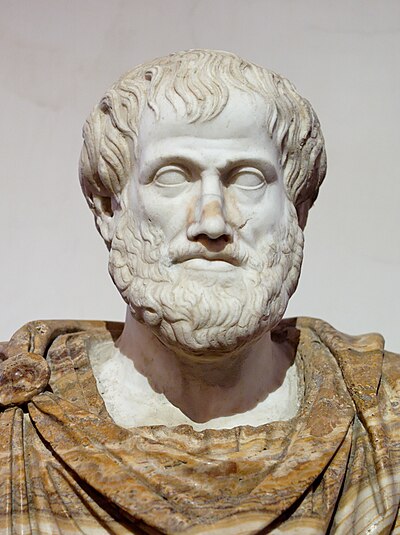
The Ethics of Aristotle
The most influential inquiry into human happiness ever written. Aristotle approaches the question that matters most, what makes a life genuinely worth living, not with abstract theory but with careful observation of how people actually behave and flourish. His answer, arrived at over centuries of philosophical investigation, remains startling: true happiness (eudaimonia) is not pleasure, not wealth, not even honor. It is the active exercise of virtue through a lifetime. Courage, generosity, justice, wisdom, these are not mere abstractions but skills honed through practice until excellence becomes second nature. Aristotle guides readers through the architecture of the good life: the role of pleasure, the nature of friendship, the relationship between individual virtue and civic community. This is philosophy as practical wisdom, a manual for living wisely that has shaped Western thought for over two millennia. For anyone who has ever wondered whether there is more to existence than getting by, Aristotle offers both a challenge and a vision.
Editions
X-Ray
“One swallow does not make a summer, neither does one fine day; similarly one day or brief time of happiness does not make a person entirely happy.””
— Aristotle
“For the things we have to learn before we can do them, we learn by doing them.””
— Aristotle
“Without friends, no one would want to live, even if he had all other goods.””
— Aristotle
“Philosophy can make people sick.””
— Aristotle
“Freedom is obedience to self-formulated rules.””
— Aristotle
“The wise man does not expose himself needlessly to danger, since there are few things for which he cares sufficiently; but he is willing, in great crises, to give even his life--knowing that under certain conditions it is not worth while to live. He is of a disposition to do men service, though he is ashamed to have a service done to him. To confer a kindness is a mark of superiority; to receive one is a mark of subordination... He does not take part in public displays... He is open in his dislikes and preferences; he talks and acts frankly, because of his contempt for men and things... He is never fired with admiration, since there is nothing great in his eyes. He cannot live in complaisance with others, except it be a friend; complaisance is the characteristic of a slave... He never feels malice, and always forgets and passes over injuries... He is not fond of talking... It is no concern of his that he should be praised, or that others should be blamed. He does not speak evil of others, even of his enemies, unless it be to themselves. His carriage is sedate, his voice deep, his speech measured; he is not given to hurry, for he is concerned about only a few things; he is not prone to vehemence, for he thinks nothing very important. A shrill voice and hasty steps come to a man through care... He bears the accidents of life with dignity and grace, making the best of his circumstances, like a skillful general who marshals his limited forces with the strategy of war... He is his own best friend, and takes delight in privacy whereas the man of no virtue or ability is his own worst enemy, and is afraid of solitude.””
— Aristotle
“These virtues are formed in man by his doing the actions ... The good of man is a working of the soul in the way of excellence in a complete life.””
— Aristotle
“Bad people...are in conflict with themselves; they desire one thing and will another, like the incontinent who choose harmful pleasures instead of what they themselves believe to be good.””
— Aristotle
“The pleasures arising from thinking and learning will make us think and learn all the more. 1153a 23””
— Aristotle
Link to this book
Add a free, dofollow link to Lex on your blog, forum, syllabus, or reading list.

<a href="https://lex-books.com/book/the-ethics-of-aristotle-56d230e5-c79c-4078-8790-b9c344600bca"><img src="https://lex-books.com/badges/read-on-lex.svg" alt="Read The Ethics of Aristotle by Aristotle free on Lex" width="160" height="40"></a>[](https://lex-books.com/book/the-ethics-of-aristotle-56d230e5-c79c-4078-8790-b9c344600bca)[url=https://lex-books.com/book/the-ethics-of-aristotle-56d230e5-c79c-4078-8790-b9c344600bca][img]https://lex-books.com/badges/read-on-lex.svg[/img][/url]Read The Ethics of Aristotle by Aristotle free on Lex: https://lex-books.com/book/the-ethics-of-aristotle-56d230e5-c79c-4078-8790-b9c344600bcaCite this book
Reading this edition for a paper or guide? Copy a citation.
Aristotle. The Ethics of Aristotle. Lex, lex-books.com/book/the-ethics-of-aristotle-56d230e5-c79c-4078-8790-b9c344600bca.Aristotle (n.d.). The Ethics of Aristotle. Lex. https://lex-books.com/book/the-ethics-of-aristotle-56d230e5-c79c-4078-8790-b9c344600bcaAristotle. The Ethics of Aristotle. Lex. https://lex-books.com/book/the-ethics-of-aristotle-56d230e5-c79c-4078-8790-b9c344600bca.