The Economist
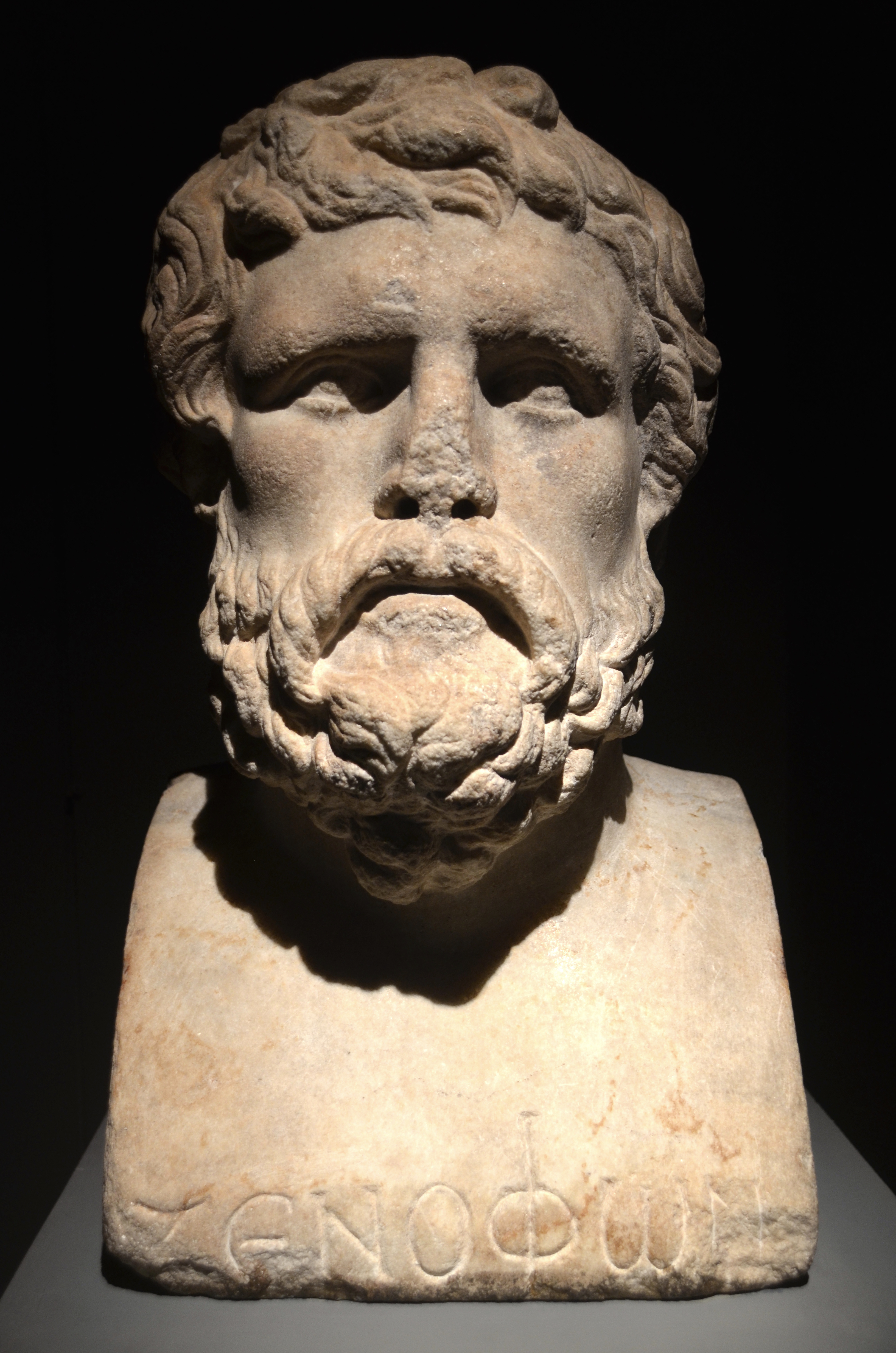
Before Adam Smith, before modern economics, there was Socrates and a conversation about what it really means to manage a life. Xenophon's Oeconomicus, written in 4th century BC Athens, is a remarkable artifact: the earliest sustained Western dialogue about household management, wealth, and the art of running a domestic empire. Socrates, in his characteristic style, interrogates his young friend Critobulus not to deliver lectures but to uncover what economy actually means, not mere accounting, but a philosophy of stewardship, order, and purposeful living. The dialogue ranges across the household: the division of labor between men and women, the cultivation of land, the raising of livestock, the training of slaves, and the cultivation of one's own character. Socrates argues that wealth is not money but the knowledge to use things well, that a good economist is not one who accumulates but one who orders. Remarkably, the text gives substantial space to the wife as partner in household management, offering one of the most nuanced ancient Greek discussions of women's role in economic life. This neglected classic is a window into Athenian domestic ideals and the philosophical roots of practical wisdom.
Editions
X-Ray
“But I am pondering over the skill with which you have presented the whole argument in support of your proposition, Ischomachus. For you stated that husbandry is the easiest of all arts to learn, and after hearing all that you have said, I am quite convinced that this is so. Of course it is, cried Ischomachus; but I grant you, Socrates, that in respect of aptitude for command, which is common to all forms of business alike”
— Xenophon
Link to this book
Add a free, dofollow link to Lex on your blog, forum, syllabus, or reading list.

<a href="https://lex-books.com/book/the-economist-89a8555f-07d2-4d7a-8841-b4af35aacca2"><img src="https://lex-books.com/badges/read-on-lex.svg" alt="Read The Economist by Xenophon free on Lex" width="160" height="40"></a>[](https://lex-books.com/book/the-economist-89a8555f-07d2-4d7a-8841-b4af35aacca2)[url=https://lex-books.com/book/the-economist-89a8555f-07d2-4d7a-8841-b4af35aacca2][img]https://lex-books.com/badges/read-on-lex.svg[/img][/url]Read The Economist by Xenophon free on Lex: https://lex-books.com/book/the-economist-89a8555f-07d2-4d7a-8841-b4af35aacca2Cite this book
Reading this edition for a paper or guide? Copy a citation.
Xenophon. The Economist. Lex, lex-books.com/book/the-economist-89a8555f-07d2-4d7a-8841-b4af35aacca2.Xenophon (n.d.). The Economist. Lex. https://lex-books.com/book/the-economist-89a8555f-07d2-4d7a-8841-b4af35aacca2Xenophon. The Economist. Lex. https://lex-books.com/book/the-economist-89a8555f-07d2-4d7a-8841-b4af35aacca2.