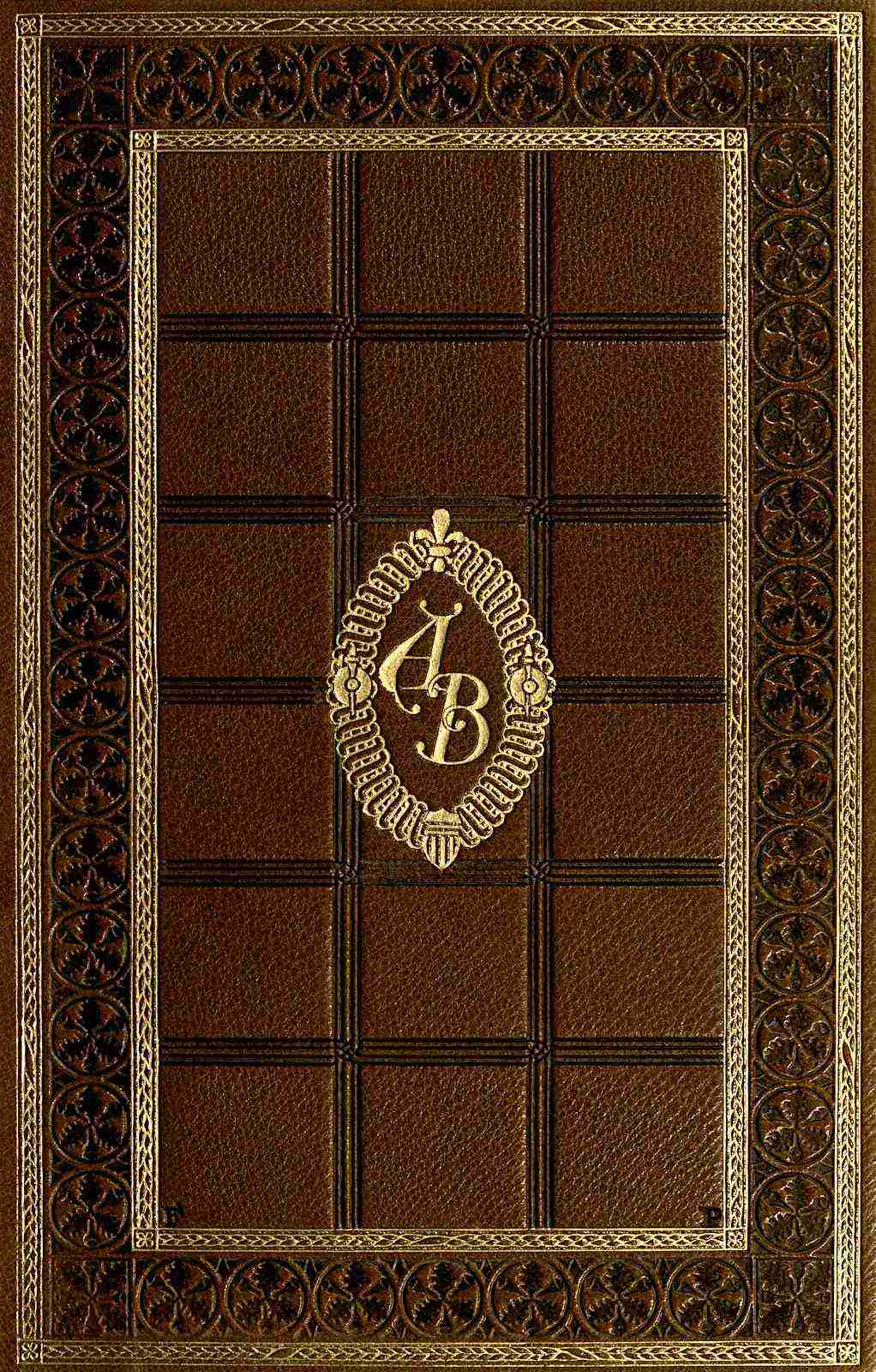
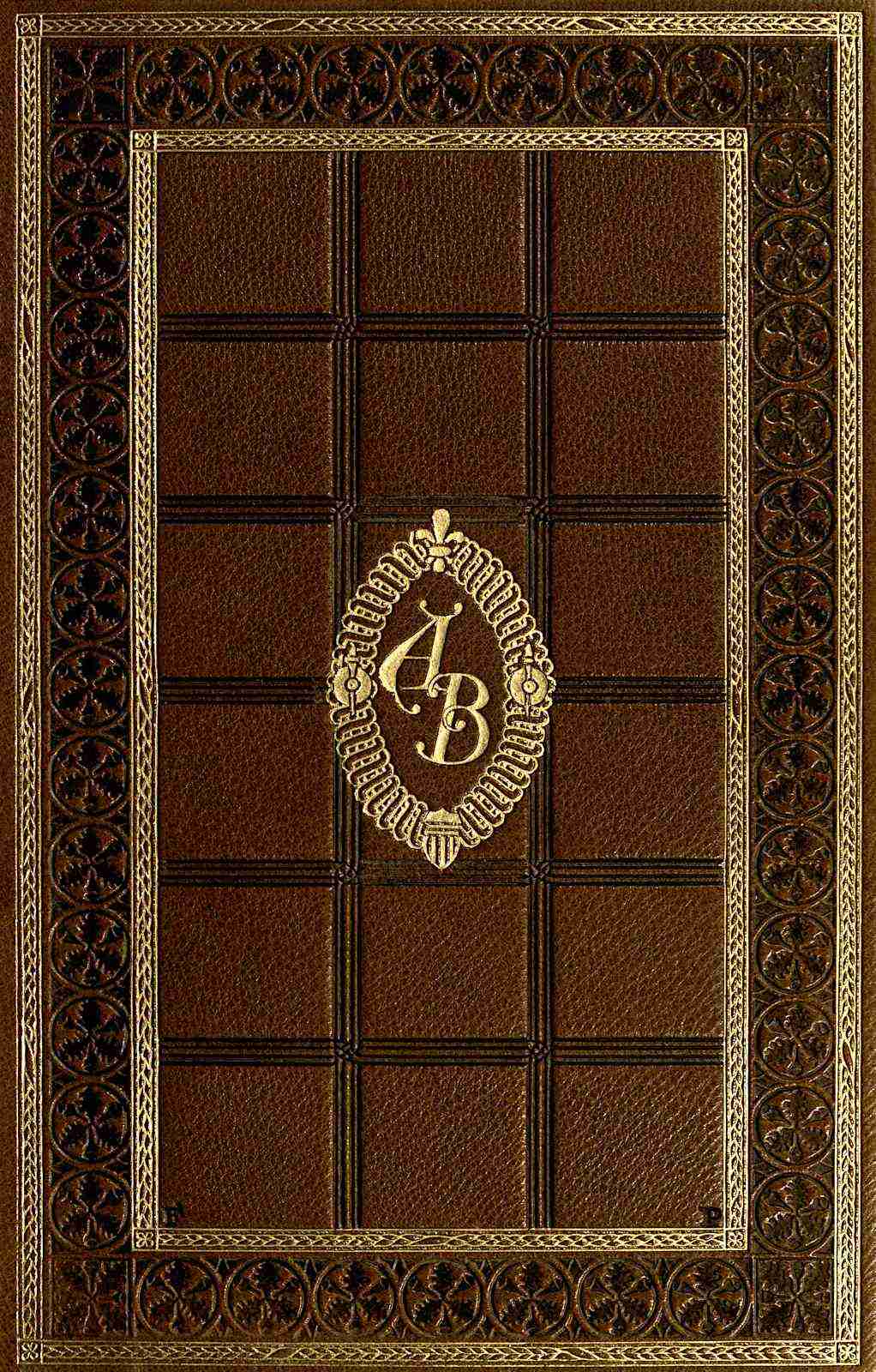
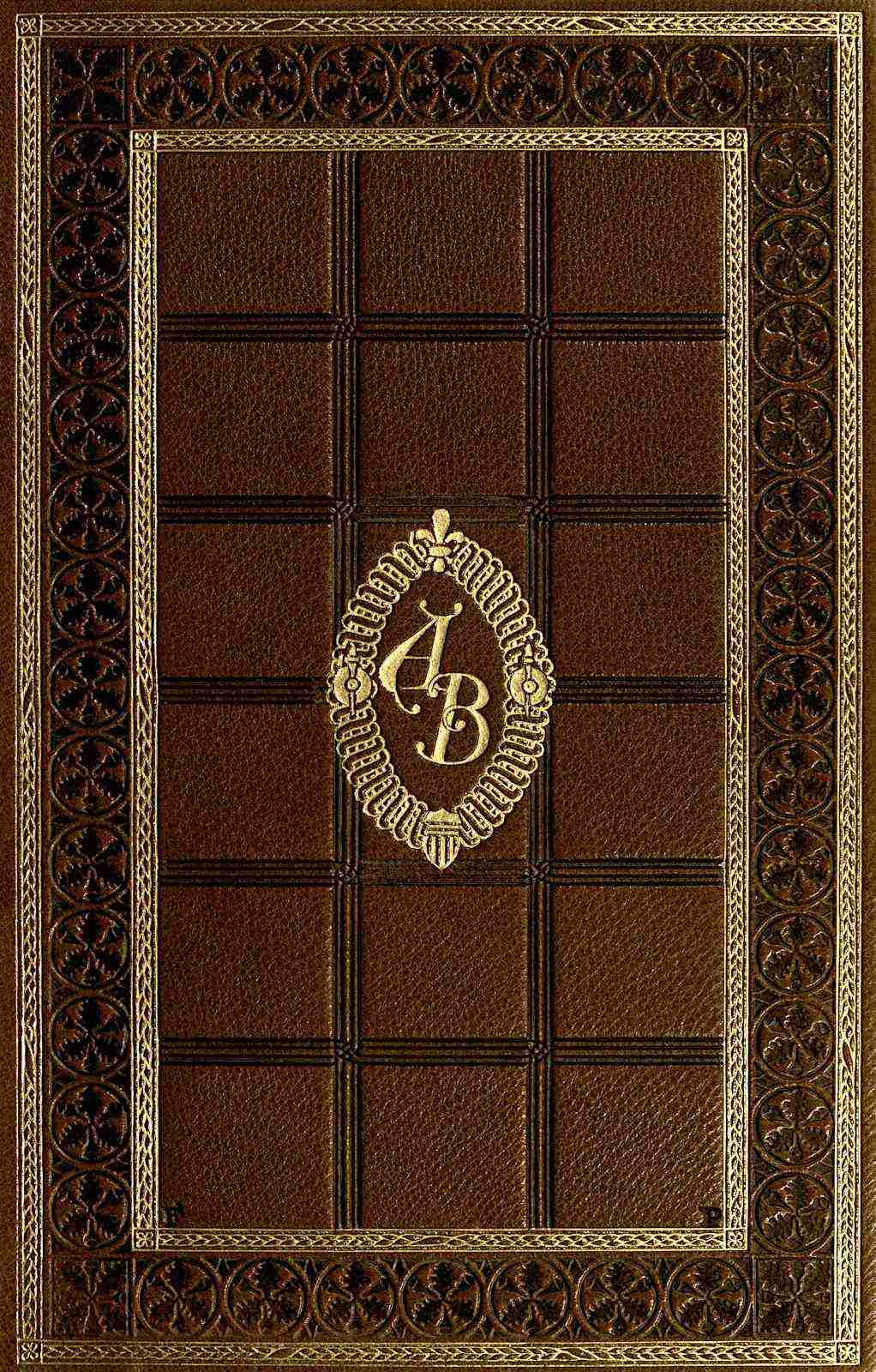
The Damned Thing: 1898, from "in the Midst of Life
In the oak barrens of the American South, a man dies horribly during a hunting trip. His companion testifies at the inquest to events that defy explanation: something was there, something terrible, unseen by any but the dead man himself. The body is mangled beyond recognition, the official verdict a convenient lie about wild animals. But the truth, as one witness knows, is far worse. Ambrose Bierce's 1898 masterpiece operates through the architecture of absence itself. Using inquest records and newspaper accounts, Bierce constructs a horror that exists entirely in the spaces between what can be said and what can be known. The 'damned thing' remains forever invisible, unnamed, incomprehensible a century before Lovecraft gave the genre its name. This is cosmic horror at its purest: not the fear of something, but the terror of pure unknowing. The documents tell us what happened; they cannot tell us why, or how, or what. In that gap lives the dread.
Editions
X-Ray
“God hates a coward...””
— Ambrose Bierce
“Exchange between William Harker and the Coroner:“He seemed a good model for a character in fiction. I sometimes write stories.”“I sometimes read them.”“Thank you.”“Stories in general - not yours.”Some of the jurors laughed.””
— Ambrose Bierce
Link to this book
Add a free, dofollow link to Lex on your blog, forum, syllabus, or reading list.

<a href="https://lex-books.com/book/the-damned-thing-1898-from-in-the-midst-of-life-606d0551-5930-4bb3-97ac-ed14e114ffb7"><img src="https://lex-books.com/badges/read-on-lex.svg" alt="Read The Damned Thing: 1898, from "in the Midst of Life by Ambrose Bierce free on Lex" width="160" height="40"></a>[](https://lex-books.com/book/the-damned-thing-1898-from-in-the-midst-of-life-606d0551-5930-4bb3-97ac-ed14e114ffb7)[url=https://lex-books.com/book/the-damned-thing-1898-from-in-the-midst-of-life-606d0551-5930-4bb3-97ac-ed14e114ffb7][img]https://lex-books.com/badges/read-on-lex.svg[/img][/url]Read The Damned Thing: 1898, from "in the Midst of Life by Ambrose Bierce free on Lex: https://lex-books.com/book/the-damned-thing-1898-from-in-the-midst-of-life-606d0551-5930-4bb3-97ac-ed14e114ffb7Cite this book
Reading this edition for a paper or guide? Copy a citation.
Bierce, Ambrose. The Damned Thing: 1898, from "in the Midst of Life. Lex, lex-books.com/book/the-damned-thing-1898-from-in-the-midst-of-life-606d0551-5930-4bb3-97ac-ed14e114ffb7.Bierce, A. (n.d.). The Damned Thing: 1898, from "in the Midst of Life. Lex. https://lex-books.com/book/the-damned-thing-1898-from-in-the-midst-of-life-606d0551-5930-4bb3-97ac-ed14e114ffb7Bierce, Ambrose. The Damned Thing: 1898, from "in the Midst of Life. Lex. https://lex-books.com/book/the-damned-thing-1898-from-in-the-midst-of-life-606d0551-5930-4bb3-97ac-ed14e114ffb7.