The Conservation of Races
1897
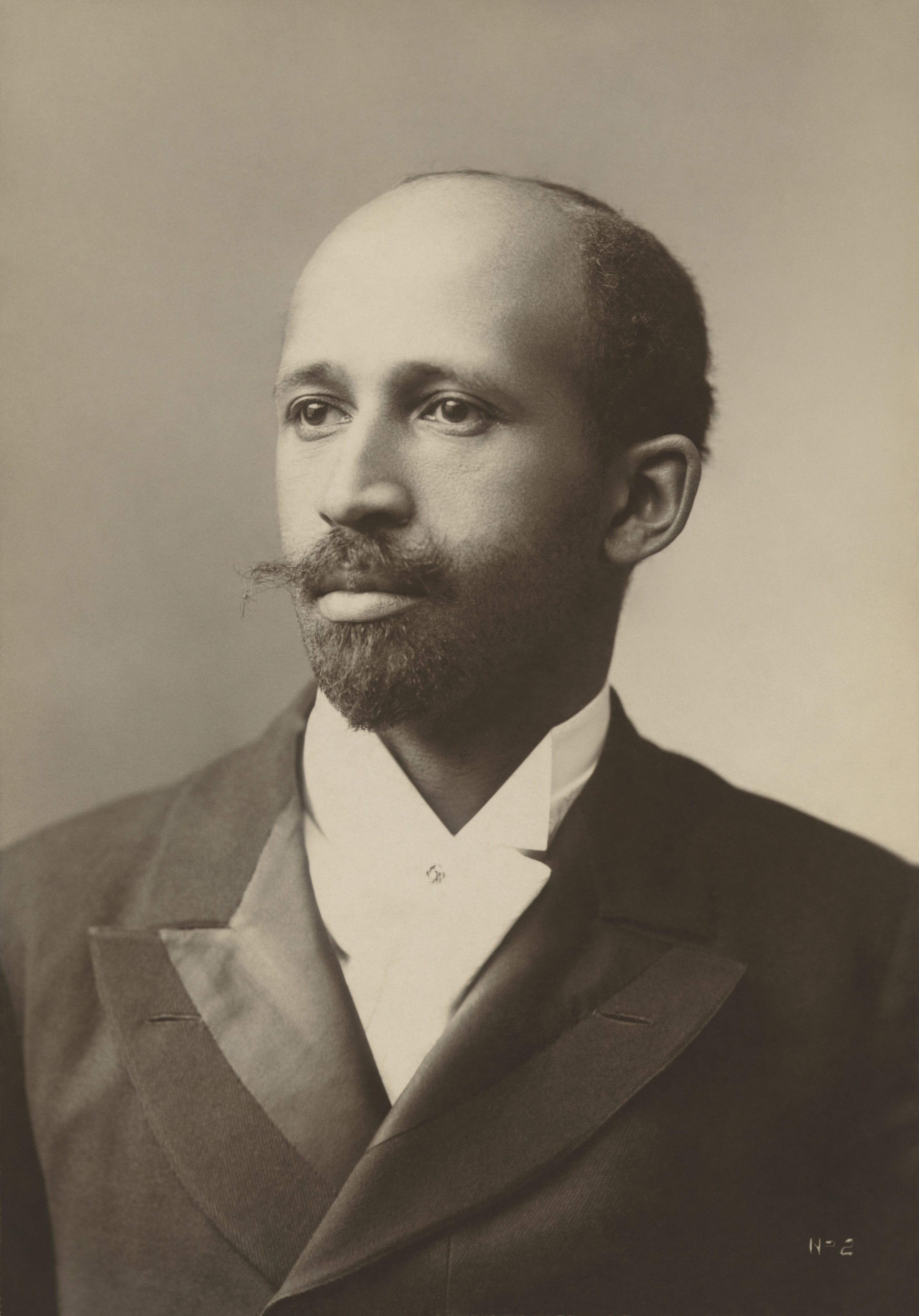
In 1897, a young Harvard-trained sociologist delivered an address before the American Negro Academy that would reshape African American intellectual life. W.E.B. Du Bois's passionate treatise argues that the Negro race possesses distinct gifts to contribute to civilization, and that African Americans must conserve and celebrate their racial identity rather than assimilate into whiteness. He introduces the concept of double consciousness the ache of seeing oneself through white America's eyes while knowing one's own worth and argues for organized racial solidarity against the prevailing accommodationism of figures like Booker T. Washington. Du Bois calls upon educated Black Americans to uplift their people through moral integrity and collective advancement, rejecting the notion that racial pride conflicts with American patriotism. This speech became the philosophical foundation for the Niagara Movement and the NAACP, establishing Du Bois as the intellectual counterweight to Washington and setting the terms of debate for civil rights that would last a century. It remains essential reading for anyone seeking to understand the intellectual origins of the struggle for racial equality in America.
Editions
Link to this book
Add a free, dofollow link to Lex on your blog, forum, syllabus, or reading list.

<a href="https://lex-books.com/book/the-conservation-of-races-5cd62872-519a-4488-9dd9-277223c73969"><img src="https://lex-books.com/badges/read-on-lex.svg" alt="Read The Conservation of Races by W. E. B. Du Bois free on Lex" width="160" height="40"></a>[](https://lex-books.com/book/the-conservation-of-races-5cd62872-519a-4488-9dd9-277223c73969)[url=https://lex-books.com/book/the-conservation-of-races-5cd62872-519a-4488-9dd9-277223c73969][img]https://lex-books.com/badges/read-on-lex.svg[/img][/url]Read The Conservation of Races by W. E. B. Du Bois free on Lex: https://lex-books.com/book/the-conservation-of-races-5cd62872-519a-4488-9dd9-277223c73969Cite this book
Reading this edition for a paper or guide? Copy a citation.
Bois, W. E. B. Du. The Conservation of Races. Lex, lex-books.com/book/the-conservation-of-races-5cd62872-519a-4488-9dd9-277223c73969.Bois, W. E. B. D. (1897). The Conservation of Races. Lex. https://lex-books.com/book/the-conservation-of-races-5cd62872-519a-4488-9dd9-277223c73969Bois, W. E. B. Du. The Conservation of Races. Lex. https://lex-books.com/book/the-conservation-of-races-5cd62872-519a-4488-9dd9-277223c73969.