The Conservation of Races: The American Negro Academy. Occasional Papers No. 2
1897
The Conservation of Races: The American Negro Academy. Occasional Papers No. 2
1897
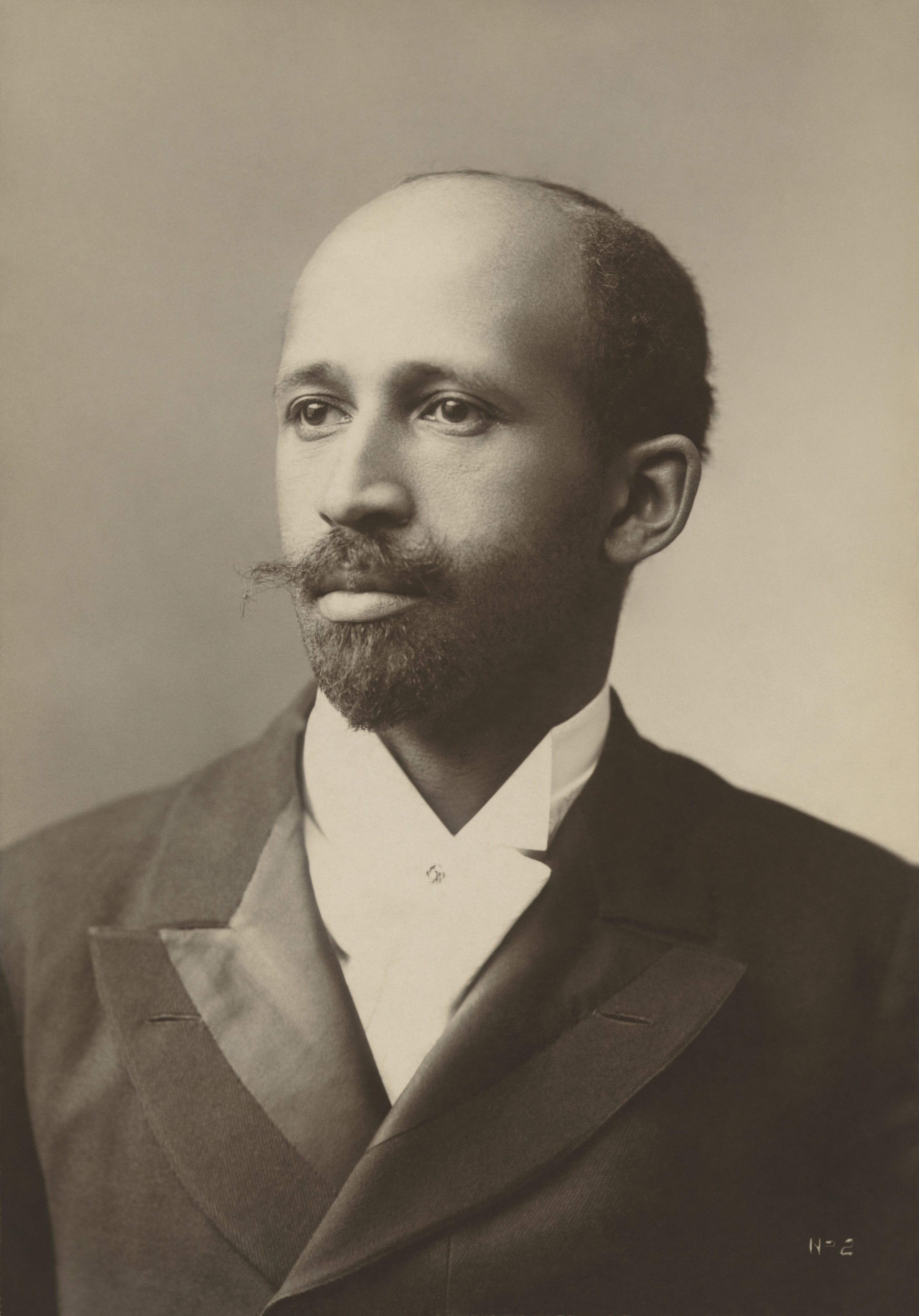
In 1897, a young W.E.B. Du Bois delivered a manifesto that would help shape the course of African American intellectual life for a century. Written for the American Negro Academy, this slender pamphlet argues that race is not merely a physical category but a profound spiritual and cultural bond that binds peoples together across generations. Du Bois calls for the preservation and celebration of Black identity, not as a barrier to progress but as its essential foundation. Against the rising tide of Jim Crow and the accommodationist message of Booker T. Washington, Du Bois insisted that African Americans must build their own institutions, develop their own leadership, and claim their place in civilization's story. He rejected the notion that Black advancement required the erasure of Black identity. Instead, he advocated for race solidarity coupled with vigorous intellectual and cultural production. This is Du Bois at his most idealistic, before the long heartbreak of the twentieth century would temper his optimism. It is essential reading for understanding the origins of the Niagara Movement, the founding of the NAACP, and the intellectual battle over what freedom would mean for a people newly enslaved and newly betrayed.
Editions
Link to this book
Add a free, dofollow link to Lex on your blog, forum, syllabus, or reading list.

<a href="https://lex-books.com/book/the-conservation-of-races-the-american-negro-academy-occasional-papers-no-2-4bd68a5f-955b-4025-90dd-b448f9cc8c2a"><img src="https://lex-books.com/badges/read-on-lex.svg" alt="Read The Conservation of Races: The American Negro Academy. Occasional Papers No. 2 by W. E. B. Du Bois free on Lex" width="160" height="40"></a>[](https://lex-books.com/book/the-conservation-of-races-the-american-negro-academy-occasional-papers-no-2-4bd68a5f-955b-4025-90dd-b448f9cc8c2a)[url=https://lex-books.com/book/the-conservation-of-races-the-american-negro-academy-occasional-papers-no-2-4bd68a5f-955b-4025-90dd-b448f9cc8c2a][img]https://lex-books.com/badges/read-on-lex.svg[/img][/url]Read The Conservation of Races: The American Negro Academy. Occasional Papers No. 2 by W. E. B. Du Bois free on Lex: https://lex-books.com/book/the-conservation-of-races-the-american-negro-academy-occasional-papers-no-2-4bd68a5f-955b-4025-90dd-b448f9cc8c2aCite this book
Reading this edition for a paper or guide? Copy a citation.
Bois, W. E. B. Du. The Conservation of Races: The American Negro Academy. Occasional Papers No. 2. Lex, lex-books.com/book/the-conservation-of-races-the-american-negro-academy-occasional-papers-no-2-4bd68a5f-955b-4025-90dd-b448f9cc8c2a.Bois, W. E. B. D. (1897). The Conservation of Races: The American Negro Academy. Occasional Papers No. 2. Lex. https://lex-books.com/book/the-conservation-of-races-the-american-negro-academy-occasional-papers-no-2-4bd68a5f-955b-4025-90dd-b448f9cc8c2aBois, W. E. B. Du. The Conservation of Races: The American Negro Academy. Occasional Papers No. 2. Lex. https://lex-books.com/book/the-conservation-of-races-the-american-negro-academy-occasional-papers-no-2-4bd68a5f-955b-4025-90dd-b448f9cc8c2a.