What would you like to read?Search books, authors, genres, shelves, users...
Search books, authors, genres, shelves, users...Search books, authors, genres, shelves, users...

What would you like to read?Search books, authors, genres, shelves, users...
Search books, authors, genres, shelves, users...Search books, authors, genres, shelves, users...
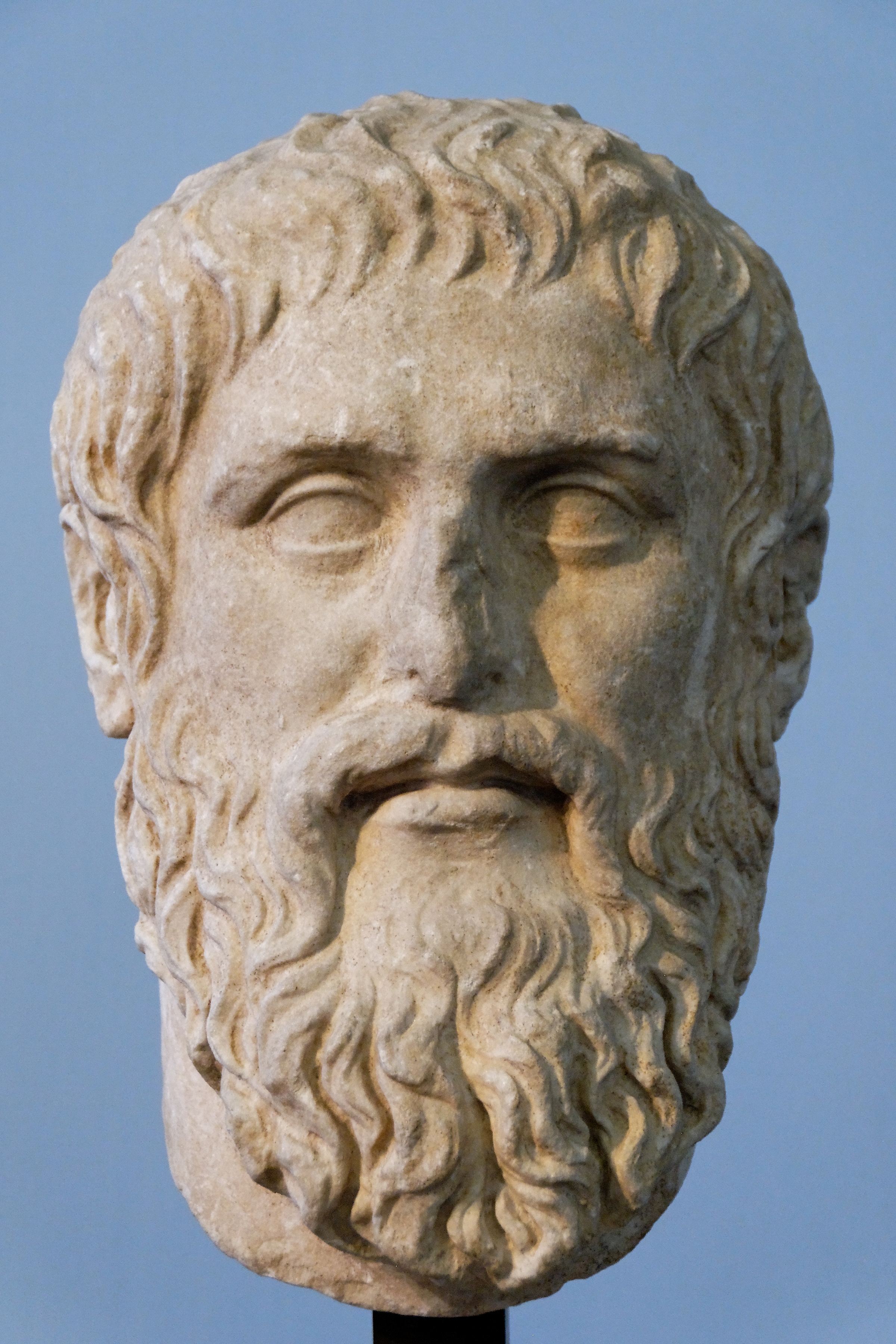
428? BC-348? BC
No author biography available.

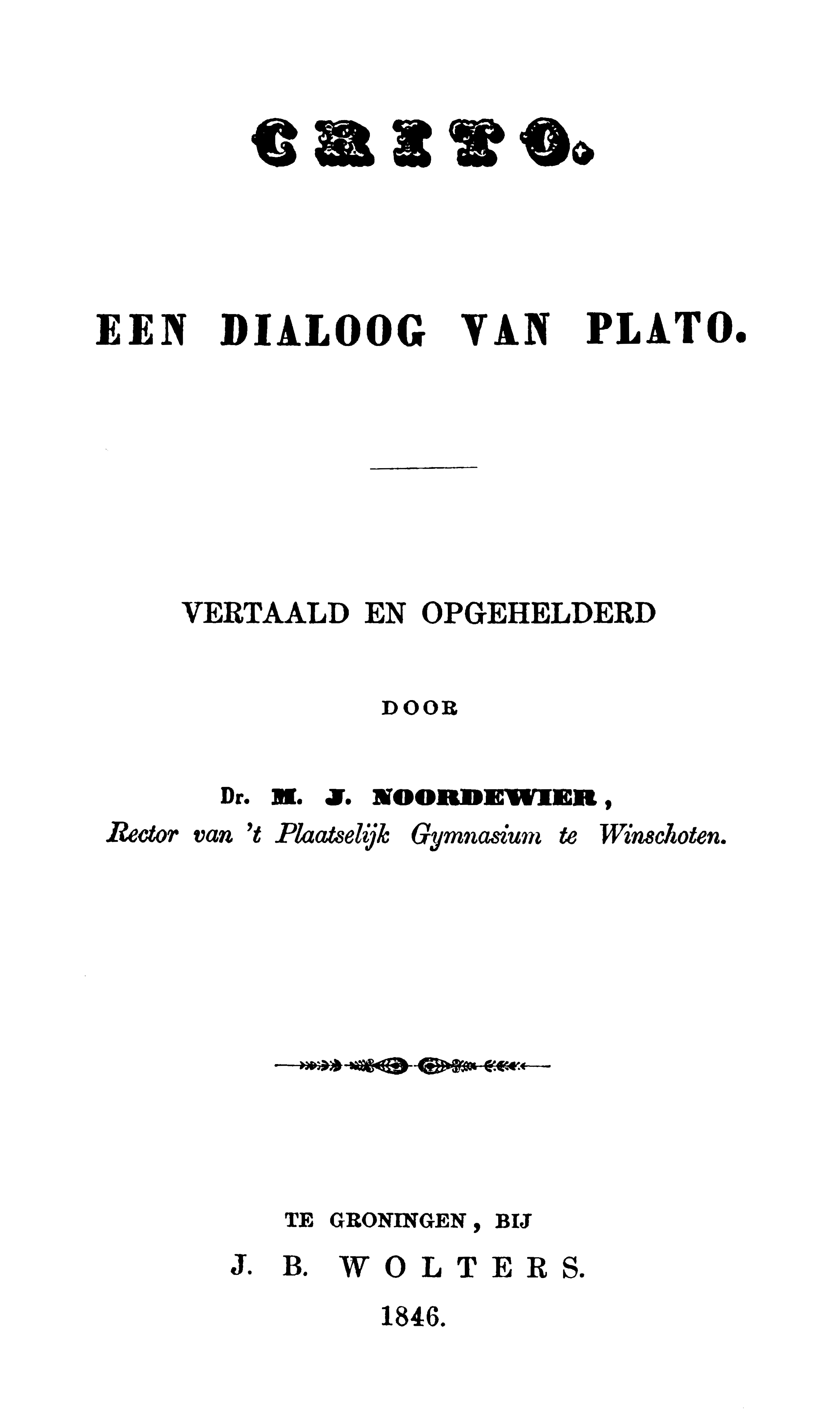
1961
Plato
1961
Translated by Karl Gustaf Aminoff
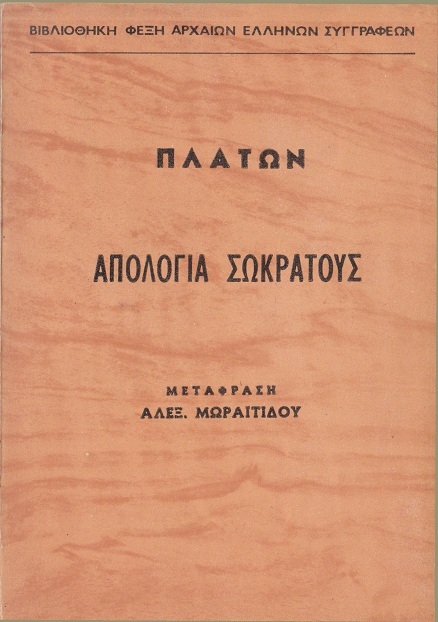
A philosophical dialogue likely written in the late 4th century BC. The text presents a dramatized account of the trial of Socrates, where he defends himself against charges of corrupting the youth and impiety. The primary focus of the work is Socrates' reflections on wisdom, morality, and the nature of a virtuous life, showcasing his philosophical ideals amidst the backdrop of Athenian law and public opinion. At the start of ''Sokrateen puolustuspuhe,'' Socrates addresses the Athenian jury as he prepares to defend himself against the charges brought by Meletos, Anytos, and Lykon. He expresses concern about the influence of previous accusers whose false words have tainted the public's perception of him, explaining how these allegations have taken root over many years. Socrates emphasizes that he speaks plainly and genuinely, contrasting his style with the elaborate rhetoric of his accusers. As he proceeds, he articulates his understanding of wisdom, establishing his belief that he is wise because he recognizes his own ignorance, thus setting the stage for a profound examination of knowledge, virtue, and the timeless pursuit of truth.