Shakespeare, Bacon, and the Great Unknown
1623
In 1857, an American named Delia Bacon published a book proposing that Francis Bacon wrote Shakespeare's plays. Within decades, this fringe theory had become a literary obsession, dividing critics and readers into warring camps. Andrew Lang, the Scottish literary critic and folklorist, enters this fray not as a true believer but as a diagnostician of a fascinating cultural pathology. Lang presents the competing claims with characteristic wit and erudition. He examines the Baconian case, the cryptographic "evidence," the supposed parallels in prose style, the uncomfortable gaps in Shakespeare's biography, alongside the Stratfordian defense: the collaborative nature of Elizabethan theatre, the practical absurdity of Bacon as working playwright, the testimonials of Shakespeare's contemporaries. But Lang is less interested in solving the mystery than in understanding why it compels so many intelligent people. This book remains a period piece, rooted in early twentieth-century assumptions about authorship and genius. Yet it captures something enduring: the human hunger to demystify creative power, to locate authorship in biographical fact rather than textual mystery. For anyone fascinated by the hidden histories of literature, the construction of authorship, or the peculiar persistence of a theory that refuses to die.
Editions
Link to this book
Add a free, dofollow link to Lex on your blog, forum, syllabus, or reading list.

<a href="https://lex-books.com/book/shakespeare-bacon-and-the-great-unknown-5107d95d-ba66-4c53-b781-2eca86be549f"><img src="https://lex-books.com/badges/read-on-lex.svg" alt="Read Shakespeare, Bacon, and the Great Unknown by Andrew Lang free on Lex" width="160" height="40"></a>[](https://lex-books.com/book/shakespeare-bacon-and-the-great-unknown-5107d95d-ba66-4c53-b781-2eca86be549f)[url=https://lex-books.com/book/shakespeare-bacon-and-the-great-unknown-5107d95d-ba66-4c53-b781-2eca86be549f][img]https://lex-books.com/badges/read-on-lex.svg[/img][/url]Read Shakespeare, Bacon, and the Great Unknown by Andrew Lang free on Lex: https://lex-books.com/book/shakespeare-bacon-and-the-great-unknown-5107d95d-ba66-4c53-b781-2eca86be549fCite this book
Reading this edition for a paper or guide? Copy a citation.
Lang, Andrew. Shakespeare, Bacon, and the Great Unknown. Lex, lex-books.com/book/shakespeare-bacon-and-the-great-unknown-5107d95d-ba66-4c53-b781-2eca86be549f.Lang, A. (1623). Shakespeare, Bacon, and the Great Unknown. Lex. https://lex-books.com/book/shakespeare-bacon-and-the-great-unknown-5107d95d-ba66-4c53-b781-2eca86be549fLang, Andrew. Shakespeare, Bacon, and the Great Unknown. Lex. https://lex-books.com/book/shakespeare-bacon-and-the-great-unknown-5107d95d-ba66-4c53-b781-2eca86be549f.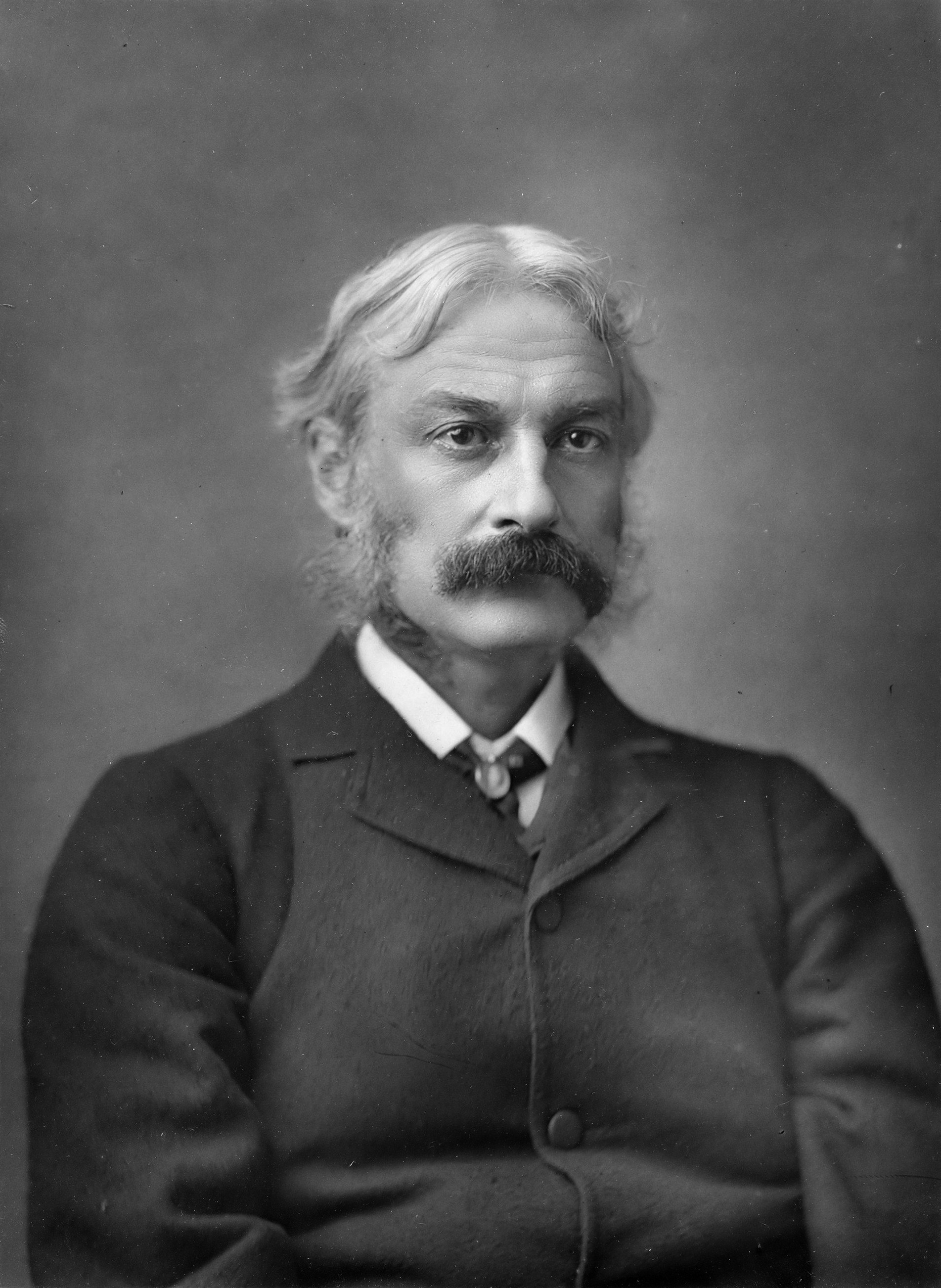
![XXXII Ballades in Blue China [1885]](/_next/image?url=https%3A%2F%2Fd3b2n8gj62qnwr.cloudfront.net%2FCOVERS%2Fgutenberg_covers75k%2Febook-51160.png&w=3840&q=75)






