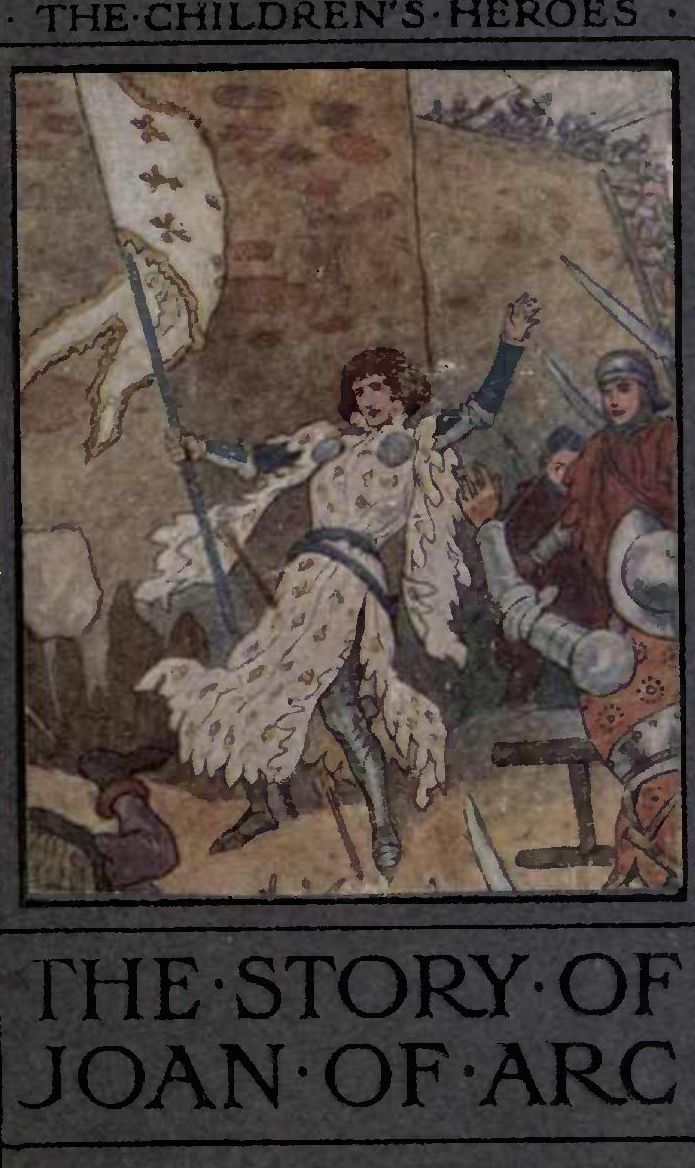
The Story of Joan of Arc
1906
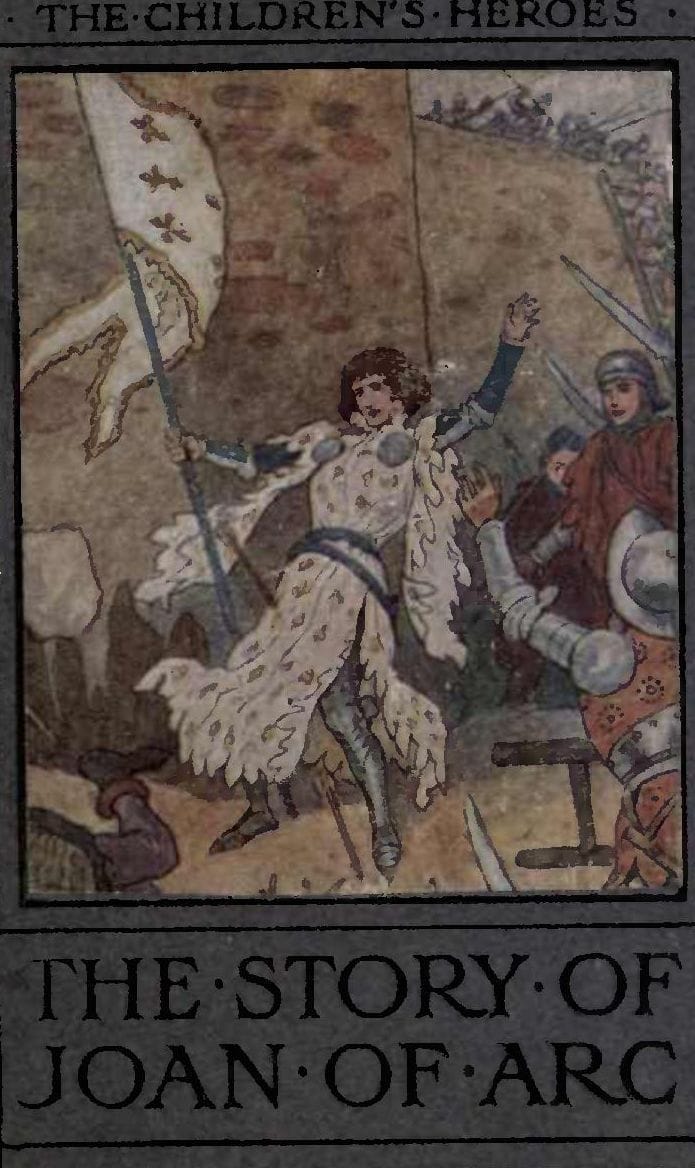
The Story of Joan of Arc
1906
In 1412, a peasant girl in the French village of Domremy begins hearing voices that will change the course of history. Andrew Lang tells the extraordinary story of Joan of Arc, the unschooled teenager who convinced the Dauphin she was sent by God to drive the English from France and crown him king. What follows is one of the most astonishing true tales in Western history: a young woman who knew nothing of war, yet led armies to victory at Orleans, who stood before princes and kings with the authority of the divine, and who burned for her convictions at nineteen. Lang writes with evident admiration for his subject, tracing Joan's journey from humble origins through her miraculous victories to her betrayal, trial, and execution. The book captures both the political machinations of the Hundred Years' War and the intimate, almost unbearable humanity of a girl who never stopped believing she was chosen. For readers who want to understand not just what Joan did, but what it meant to be a teenage peasant girl who refused to bend to the will of kings and conquerors.
Editions
X-Ray
A peasant girl from Domremy who received visions from Saints and led France to victory against the English. She was brave, modest, and deeply religious, ultimately martyred at age 19.
The uncrowned heir to the French throne who doubted his legitimacy. Joan convinced him of his rightful claim and led him to coronation at Rheims.
The corrupt Bishop of Beauvais who presided over Joan's trial. He was determined to prove her a heretic and witch to serve English interests.
The Bastard of Orleans, a skilled French commander who became one of Joan's most trusted allies and witnessed her military genius.
About The Story of Joan of Arc
Chapter Summaries
- 1
- Joan is born in 1412 in Domremy during the Hundred Years' War. France is divided between supporters of the Dauphin Charles and the English-backed Burgundians. Joan grows up in a war-torn countryside, showing early signs of piety and compassion.
- 2
- At age 13, Joan begins receiving visions from Saints Michael, Margaret, and Catherine who tell her to save France. She keeps these experiences secret for years, afraid of being disbelieved.
- 3
- The military situation worsens as Orleans comes under English siege. Joan's voices insist she must go to the Dauphin, despite her protests about being an unlearned peasant girl.
Key Themes
- Divine Mission vs. Human Doubt
- Joan's unwavering faith in her heavenly voices contrasts with the skepticism of nobles, clergy, and even her own moments of uncertainty. Her conviction ultimately transcends human understanding.
- Patriotism and National Identity
- Joan's love for France drives her to sacrifice everything for her country's freedom. Her story embodies the emergence of French national consciousness against foreign occupation.
- Gender and Power
- A peasant girl challenges medieval gender roles by leading armies and advising kings. Her authority comes from divine rather than earthly sources, threatening established hierarchies.
Characters
- Joan of Arc (The Maid)(protagonist)
- A peasant girl from Domremy who received visions from Saints and led France to victory against the English. She was brave, modest, and deeply religious, ultimately martyred at age 19.
- Charles VII (The Dauphin)(major)
- The uncrowned heir to the French throne who doubted his legitimacy. Joan convinced him of his rightful claim and led him to coronation at Rheims.
- Pierre Cauchon(antagonist)
- The corrupt Bishop of Beauvais who presided over Joan's trial. He was determined to prove her a heretic and witch to serve English interests.
- Dunois(major)
- The Bastard of Orleans, a skilled French commander who became one of Joan's most trusted allies and witnessed her military genius.
- Duke of Alençon(major)
- A young cousin of the King who became Joan's close friend and fighting companion. She called him 'my fair Duke' and promised his wife to bring him home safely.
- Robert de Baudricourt(minor)
- The commander at Vaucouleurs who initially dismissed Joan but eventually provided her escort to the Dauphin after she predicted the Battle of the Herrings.
Link to this book
Add a free, dofollow link to Lex on your blog, forum, syllabus, or reading list.

<a href="https://lex-books.com/book/the-story-of-joan-of-arc-7a2e846c-a25a-49ec-8a53-929f94329012"><img src="https://lex-books.com/badges/read-on-lex.svg" alt="Read The Story of Joan of Arc by Andrew Lang free on Lex" width="160" height="40"></a>[](https://lex-books.com/book/the-story-of-joan-of-arc-7a2e846c-a25a-49ec-8a53-929f94329012)[url=https://lex-books.com/book/the-story-of-joan-of-arc-7a2e846c-a25a-49ec-8a53-929f94329012][img]https://lex-books.com/badges/read-on-lex.svg[/img][/url]Read The Story of Joan of Arc by Andrew Lang free on Lex: https://lex-books.com/book/the-story-of-joan-of-arc-7a2e846c-a25a-49ec-8a53-929f94329012Cite this book
Reading this edition for a paper or guide? Copy a citation.
Lang, Andrew. The Story of Joan of Arc. Lex, lex-books.com/book/the-story-of-joan-of-arc-7a2e846c-a25a-49ec-8a53-929f94329012.Lang, A. (1906). The Story of Joan of Arc. Lex. https://lex-books.com/book/the-story-of-joan-of-arc-7a2e846c-a25a-49ec-8a53-929f94329012Lang, Andrew. The Story of Joan of Arc. Lex. https://lex-books.com/book/the-story-of-joan-of-arc-7a2e846c-a25a-49ec-8a53-929f94329012.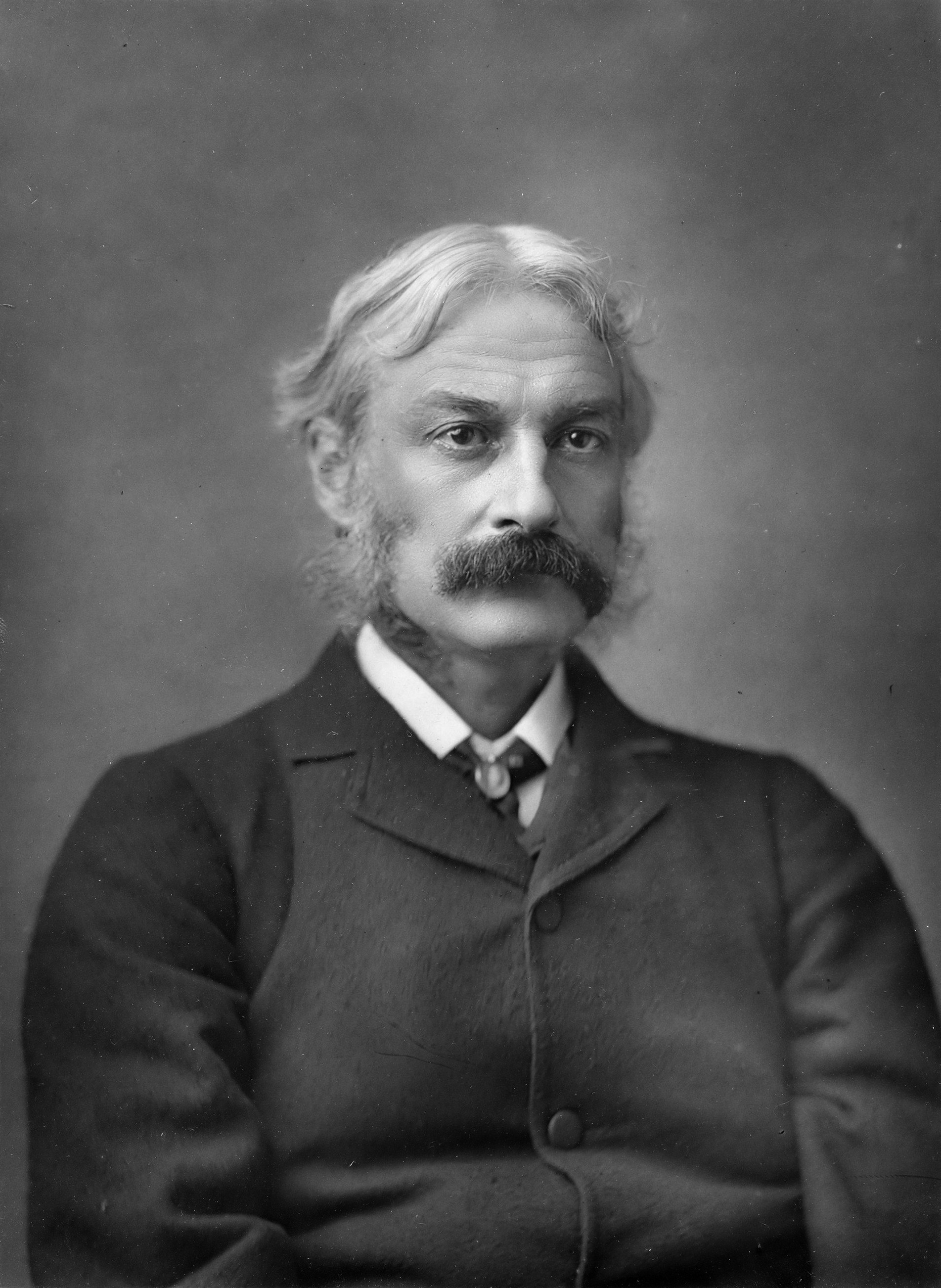




![XXXII Ballades in Blue China [1885]](/_next/image?url=https%3A%2F%2Fd3b2n8gj62qnwr.cloudfront.net%2FCOVERS%2Fgutenberg_covers75k%2Febook-51160.png&w=3840&q=75)