Phenomenology of Mind, Volume 1

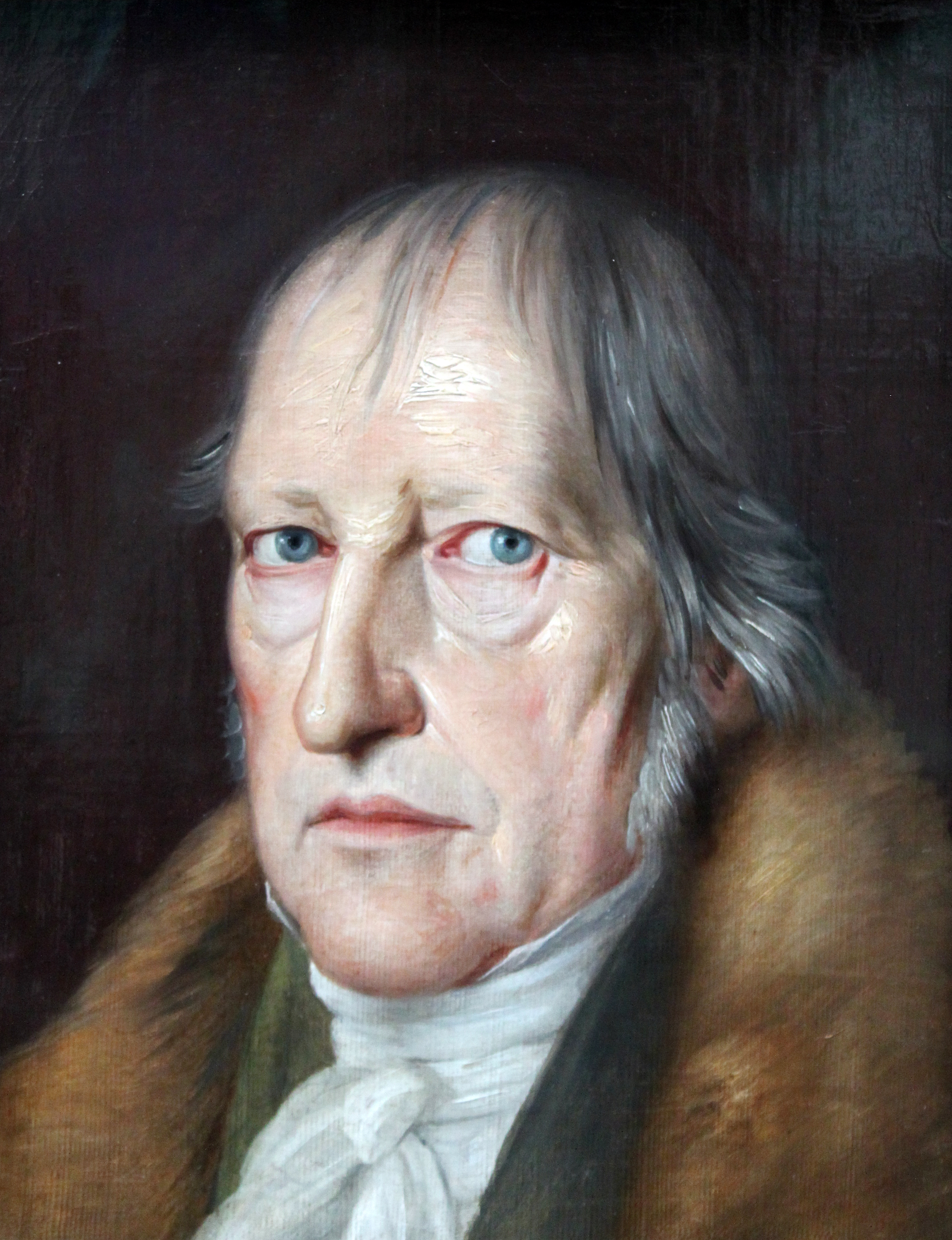
This is the book that invented the modern world, or at least the way we think about it. Hegel's 1807 masterwork traces consciousness on its harrowing journey from bare sensation to absolute knowledge, each chapter a confrontation between what we think we know and what we actually are. The famous master-slave dialectic alone has fueled centuries of argument about identity, labor, and freedom. Written by a nearly destitute philosopher who had just witnessed Jena's battlefield, it pulses with urgency and despair. What makes this text simultaneously essential and punishing is Hegel's method: consciousness advances not through gentle accumulation but through contradiction, struggle, and what he calls Aufhebung (sublation simultaneously preserving, negating, and elevating). Nothing stays. Every certainty collapses into its opposite before synthesizing at a higher level. This is philosophy as drama, as thriller, as the story of how Spirit remembers itself through human history. The influence is staggering. Marx took the dialectic. Kierkegaard and Sartre built existentialism from its contradictions. Twentieth-century phenomenology, political theology, and even aspects of analytic philosophy trace back here. If you want to understand how Western thought got from Kant to now, you go through this door, and it does not open easily.
Editions

Read by
Group Narration
2 readers
maurice, Foon
Link to this book
Add a free, dofollow link to Lex on your blog, forum, syllabus, or reading list.

<a href="https://lex-books.com/book/phenomenology-of-mind-volume-1-a6781ba8-0cff-48f6-8c57-f6573c71128b"><img src="https://lex-books.com/badges/read-on-lex.svg" alt="Read Phenomenology of Mind, Volume 1 by Georg Wilhelm Friedrich Hegel free on Lex" width="160" height="40"></a>[](https://lex-books.com/book/phenomenology-of-mind-volume-1-a6781ba8-0cff-48f6-8c57-f6573c71128b)[url=https://lex-books.com/book/phenomenology-of-mind-volume-1-a6781ba8-0cff-48f6-8c57-f6573c71128b][img]https://lex-books.com/badges/read-on-lex.svg[/img][/url]Read Phenomenology of Mind, Volume 1 by Georg Wilhelm Friedrich Hegel free on Lex: https://lex-books.com/book/phenomenology-of-mind-volume-1-a6781ba8-0cff-48f6-8c57-f6573c71128bCite this book
Reading this edition for a paper or guide? Copy a citation.
Hegel, Georg Wilhelm Friedrich. Phenomenology of Mind, Volume 1. Lex, lex-books.com/book/phenomenology-of-mind-volume-1-a6781ba8-0cff-48f6-8c57-f6573c71128b.Hegel, G. W. F. (n.d.). Phenomenology of Mind, Volume 1. Lex. https://lex-books.com/book/phenomenology-of-mind-volume-1-a6781ba8-0cff-48f6-8c57-f6573c71128bHegel, Georg Wilhelm Friedrich. Phenomenology of Mind, Volume 1. Lex. https://lex-books.com/book/phenomenology-of-mind-volume-1-a6781ba8-0cff-48f6-8c57-f6573c71128b.