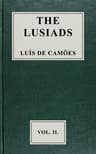
Os Lusíadas
1572
Camões wrote the poem that made Portuguese into a language of literature. Set during Vasco da Gama's historic 1497 voyage around Africa to India, it follows the admiral and his crew through storms, starvation, and encounters with strangers on distant shores. But the real story lives in the spaces between the battles: the council of gods debating the fate of mortals, the poet's own exile bleeding onto the page, and the haunting question of whether glory is worth its price. Camões borrowed Homer's structure and Virgil's ambition to create something unmistakably Portuguese, an epic that celebrates empire while quietly mourning what it costs. Written in Macau during Camões's own wanderings, published in 1572, it remains the hinge on which Portuguese literature swings. Four and a half centuries later, it still poses the same questions: What do we owe the past? What do we owe ourselves?
Editions
Link to this book
Add a free, dofollow link to Lex on your blog, forum, syllabus, or reading list.

<a href="https://lex-books.com/book/os-lus-adas-de1d2bf4-ea0f-47bc-a9c0-6fde79031356"><img src="https://lex-books.com/badges/read-on-lex.svg" alt="Read Os Lusíadas by Luís de Camões free on Lex" width="160" height="40"></a>[](https://lex-books.com/book/os-lus-adas-de1d2bf4-ea0f-47bc-a9c0-6fde79031356)[url=https://lex-books.com/book/os-lus-adas-de1d2bf4-ea0f-47bc-a9c0-6fde79031356][img]https://lex-books.com/badges/read-on-lex.svg[/img][/url]Read Os Lusíadas by Luís de Camões free on Lex: https://lex-books.com/book/os-lus-adas-de1d2bf4-ea0f-47bc-a9c0-6fde79031356Cite this book
Reading this edition for a paper or guide? Copy a citation.
Camões, Luís de. Os Lusíadas. Lex, lex-books.com/book/os-lus-adas-de1d2bf4-ea0f-47bc-a9c0-6fde79031356.Camões, L. D. (1572). Os Lusíadas. Lex. https://lex-books.com/book/os-lus-adas-de1d2bf4-ea0f-47bc-a9c0-6fde79031356Camões, Luís de. Os Lusíadas. Lex. https://lex-books.com/book/os-lus-adas-de1d2bf4-ea0f-47bc-a9c0-6fde79031356.