Oblomov
1859
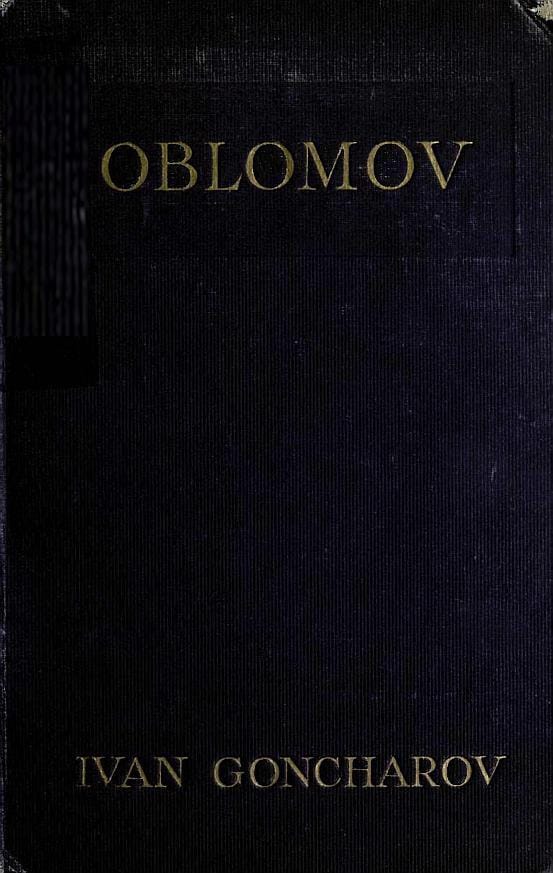
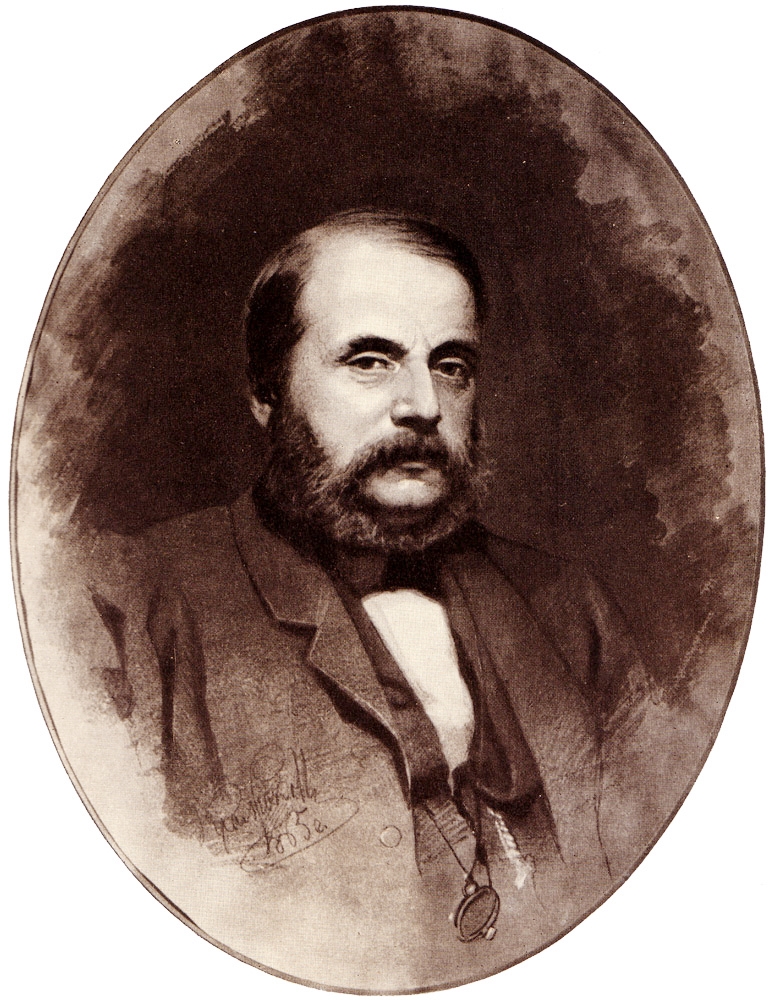
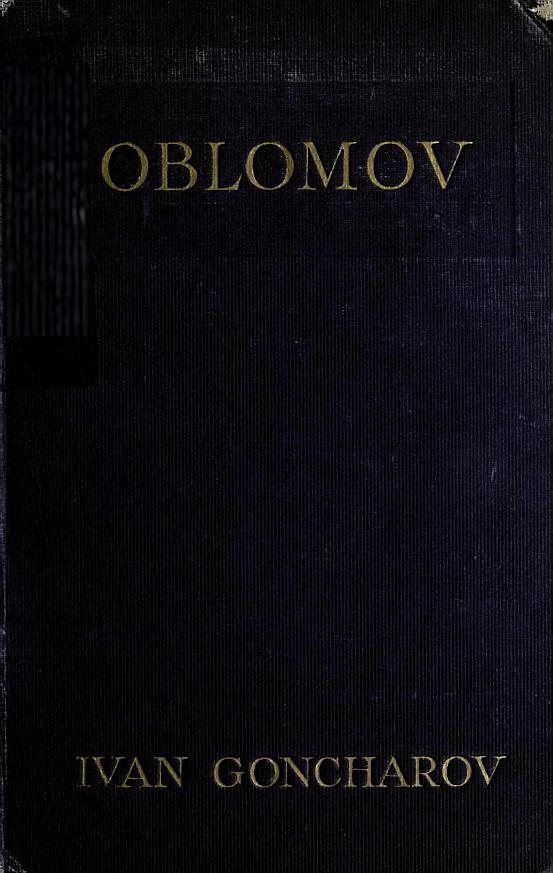
The first fifty pages of Oblomov follow a man who cannot get out of bed. Not because he is ill, or defeated, or depressed in any way we readily understand. Ilya Ilyich Oblomov simply cannot begin - cannot rise, cannot write the letter, cannot tend to his estate, cannot love the woman who loves him. Goncharov transforms what could be mere laziness into something philosophical: a portrait of a man paralyzed by the gap between what life demands and what his soul can bear to attempt. The novel operates on two registers at once: sharp satire about an aristocracy rotting from inaction, and something closer to tragedy - tender, even loving toward this strange, sympathetic figure trapped in his own inertia. When the energetic Zakhar arrives with plans and schemes, we feel the collision between the active world and Oblomov's peculiar stillness. What elevates this beyond period critique is how precisely it captures that dread of potential, the way possibility itself can become a kind of prison. Two centuries later, we still recognize him. The modern procrastinator. The dreamer frozen between intention and act. In Russian, his name became a verb - to obloom, to lie back and do nothing while the world demands you rise.
Editions

X-Ray
“When you don't know what you're living for, you don't care how you live from one day to the next. You're happy the day has passed and the night has come, and in your sleep you bury the tedious question of what you lived for that day and what you're going to live for tomorrow.””
— Ivan Aleksandrovich Goncharov
“A close, daily intimacy between two people has to be paid for: it requires a great deal of experience of life, logic, and warmth of heart on both sides to enjoy each other’s good qualities without being irritated by each other’s shortcomings and blaming each other for them.””
— Ivan Aleksandrovich Goncharov
“Memories are the height of poetry only when they are memories of happiness. When they graze wounds over which scars have formed they become an aching pain.””
— Ivan Aleksandrovich Goncharov
“Now or neverI 'To be or not to be!'"”
— Ivan Aleksandrovich Goncharov
“Love was life's hardest school of all.””
— Ivan Aleksandrovich Goncharov
“Memories are either the greatest poetry, when they are memories of a vital happiness, or a burning pain, when they touch dried wounds.p. 479””
— Ivan Aleksandrovich Goncharov
“Although people call love a capricious and unaccountable emotion that arises like an illness, nonetheless it has its own laws and reasons, like everything else. If these laws have been little studied so far, that is because a person struck down by love is in no condition to observe with a scholar's eye as the impression steals into his soul and shackles his emotions like a dream, as first his eyes go blind, at which moment his pulse and then his heart begin beating harder, all of a sudden there arises as of yesterday an undying devotion, the desire to sacrifice oneself; one's I gradually vanishes and crosses over into him or her; the mind becomes wither unusually dull or unusually sharp; the will surrenders to the will of another; and the head bows, the knees shake and the tears and fever come.””
— Ivan Aleksandrovich Goncharov
“Yesterday one has wished, to-day one attains the madly longed-for object, and to-morrow one will blush to think that one ever desired it.””
— Ivan Aleksandrovich Goncharov
“She never indulged in reveries or tried to be clever in her conversation; she seemed to have drawn a line in her mind beyond which she never went. It was quite obvious that feelings, every kind of relationship, including love, entered into her life on equal terms with everything else, while in the case of other women love quite manifestly takes part, if not in deeds, then in words, in all the problems of life, and everything else is allowed in only in so far as love leaves room for it. The thing this woman esteemed most was the art of living, of being able to control oneself, of keeping a balance between thought and intention, intention and realization. You could never take her unawares, by surprise, but she was like a watchful enemy whose expectant gaze would always be fixed on you, however hard you tried to lie in wait for him. High society was her element, and therefore tact and caution prompted her every thought, word, and movement.””
— Ivan Aleksandrovich Goncharov
Link to this book
Add a free, dofollow link to Lex on your blog, forum, syllabus, or reading list.

<a href="https://lex-books.com/book/oblomov-34a0f84d-8532-4227-b5d4-e8ee567529ad"><img src="https://lex-books.com/badges/read-on-lex.svg" alt="Read Oblomov by Ivan Aleksandrovich Goncharov free on Lex" width="160" height="40"></a>[](https://lex-books.com/book/oblomov-34a0f84d-8532-4227-b5d4-e8ee567529ad)[url=https://lex-books.com/book/oblomov-34a0f84d-8532-4227-b5d4-e8ee567529ad][img]https://lex-books.com/badges/read-on-lex.svg[/img][/url]Read Oblomov by Ivan Aleksandrovich Goncharov free on Lex: https://lex-books.com/book/oblomov-34a0f84d-8532-4227-b5d4-e8ee567529adCite this book
Reading this edition for a paper or guide? Copy a citation.
Goncharov, Ivan Aleksandrovich. Oblomov. Lex, lex-books.com/book/oblomov-34a0f84d-8532-4227-b5d4-e8ee567529ad.Goncharov, I. A. (1859). Oblomov. Lex. https://lex-books.com/book/oblomov-34a0f84d-8532-4227-b5d4-e8ee567529adGoncharov, Ivan Aleksandrovich. Oblomov. Lex. https://lex-books.com/book/oblomov-34a0f84d-8532-4227-b5d4-e8ee567529ad.