New Poems (Version 2)
D.H. Lawrence shattered poetic convention when he wrote these poems during the First World War. Influenced by Walt Whitman's free verse, Lawrence rejected the rigid structures of Victorian poetry in favor of something rawer, more dangerous, more alive. The collection opens with his manifesto: a declaration of war on 'stiff necked habit' and 'hackneyed associations.' He wanted poetry that moved like breath and blood, not polite conversation. These are poems of longing, of the body, of England's changing landscape as war reshaped everything. Lawrence wrote about desire and death with the same fierce attention, finding in nature a truth that industrializing England had tried to bury. The free verse allows his lines to breathe, to pause where emotion demands it, to break where the thought fractures. A century later, these poems still feel urgent. Lawrence was exiled, censored, reviled for writing like this. Now we can read him plainly: a poet who believed authentic feeling was worth any scandal, who chose freedom over safety every time.
Editions


Read by
Group Narration
18 readers
Alan Mapstone, Larry Wilson, calatravabooks, Stefan Von Blon +14 more
Link to this book
Add a free, dofollow link to Lex on your blog, forum, syllabus, or reading list.

<a href="https://lex-books.com/book/new-poems-version-2-5f52d4be-1ed5-4d70-82cf-eb9f18fc8fef"><img src="https://lex-books.com/badges/read-on-lex.svg" alt="Read New Poems (Version 2) by D. H. Lawrence free on Lex" width="160" height="40"></a>[](https://lex-books.com/book/new-poems-version-2-5f52d4be-1ed5-4d70-82cf-eb9f18fc8fef)[url=https://lex-books.com/book/new-poems-version-2-5f52d4be-1ed5-4d70-82cf-eb9f18fc8fef][img]https://lex-books.com/badges/read-on-lex.svg[/img][/url]Read New Poems (Version 2) by D. H. Lawrence free on Lex: https://lex-books.com/book/new-poems-version-2-5f52d4be-1ed5-4d70-82cf-eb9f18fc8fefCite this book
Reading this edition for a paper or guide? Copy a citation.
Lawrence, D. H.. New Poems (Version 2). Lex, lex-books.com/book/new-poems-version-2-5f52d4be-1ed5-4d70-82cf-eb9f18fc8fef.Lawrence, D. H. (n.d.). New Poems (Version 2). Lex. https://lex-books.com/book/new-poems-version-2-5f52d4be-1ed5-4d70-82cf-eb9f18fc8fefLawrence, D. H.. New Poems (Version 2). Lex. https://lex-books.com/book/new-poems-version-2-5f52d4be-1ed5-4d70-82cf-eb9f18fc8fef.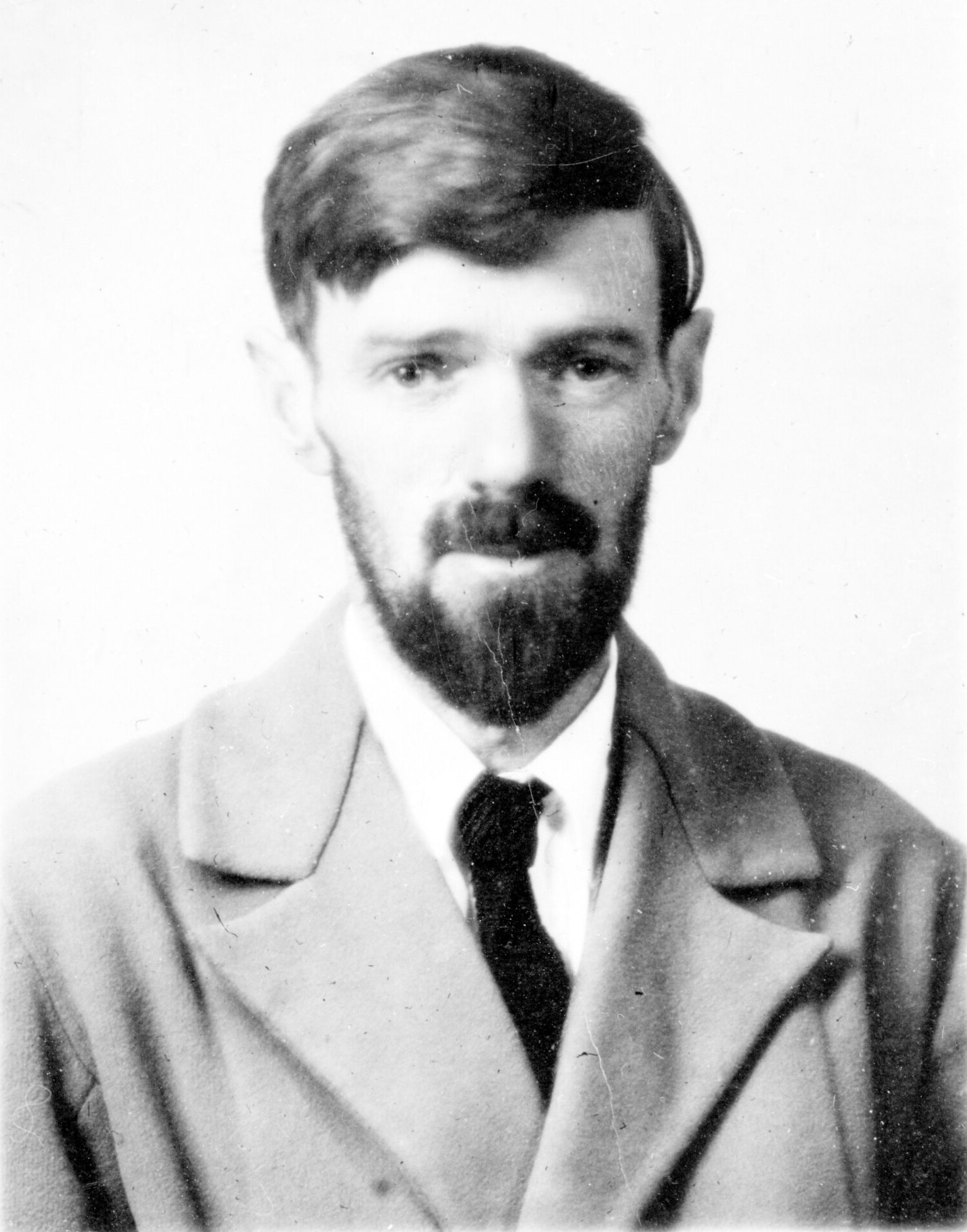





![Birds and Nature, Vol. 12 No. 1 [June 1902]illustrated by Color Photography](/_next/image?url=https%3A%2F%2Fd3b2n8gj62qnwr.cloudfront.net%2FCOVERS%2Fgutenberg_covers75k%2Febook-47881.png&w=3840&q=75)