Moby Dick; Or, the Whale
1851
Moby Dick; Or, the Whale
1851
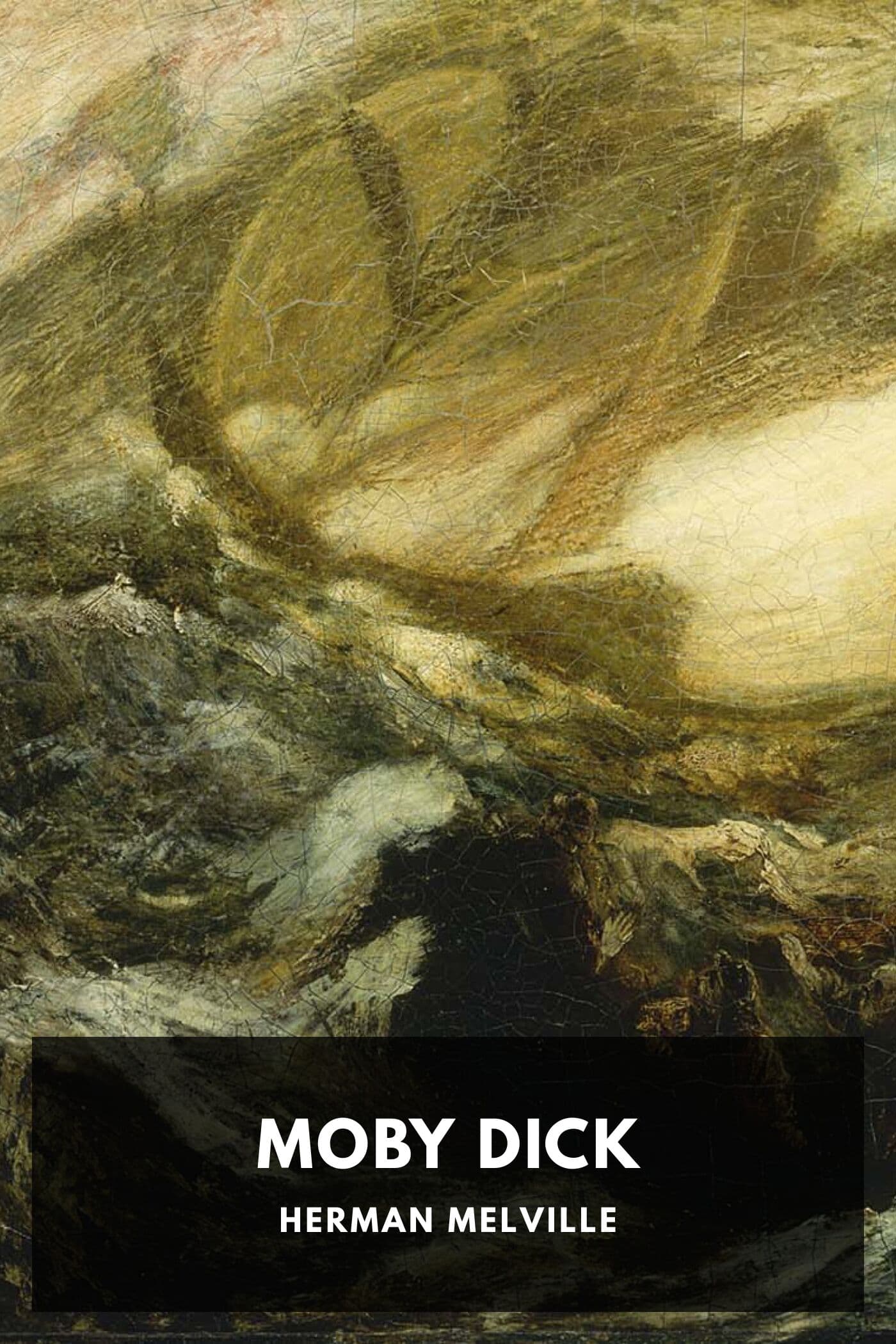
Moby Dick is one of those rare novels that重构s what literature can do. It's the story of Ishmael, a young man who signs onto the whaling ship Pequod seeking escape, and Captain Ahab, a man missing a leg who has one purpose: to hunt the white whale that took it. But the whale is no ordinary beast. Moby Dick is vast, intelligent, and utterly indifferent to man's puny vengeance, a force of nature that becomes something far more terrifying when reflected through the lens of human obsession. Melville weaves an adventure story thick with the lore and labor of the whaling industry alongside philosophical digressions on fate, faith, and the limits of human knowledge. The result is a novel that feels like a fever dream, as relentless and dangerous as the sea itself. It endures because it captures something true about the American character: our refusal to accept the universe's silence, and the terrible beauty of that refusal.
Editions

X-Ray
“I know not all that may be coming, but be it what it will, I'll go to it laughing.””
— Herman Melville
“It is not down on any map; true places never are.””
— Herman Melville
“Better to sleep with a sober cannibal than a drunk Christian.””
— Herman Melville
“As for me, I am tormented with an everlasting itch for things remote. I love to sail forbidden seas, and land on barbarous coasts.””
— Herman Melville
“Whenever I find myself growing grim about the mouth; whenever it is a damp, drizzly November in my soul; whenever I find myself involuntarily pausing before coffin warehouses, and bringing up the rear of every funeral I meet; and especially whenever my hypos get such an upper hand of me, that it requires a strong moral principle to prevent me from deliberately stepping into the street, and methodically knocking people's hats off - then, I account it high time to get to sea as soon as I can.””
— Herman Melville
“There are certain queer times and occasions in this strange mixed affair we call life when a man takes this whole universe for a vast practical joke, though the wit thereof he but dimly discerns, and more than suspects that the joke is at nobody's expense but his own.””
— Herman Melville
“I try all things, I achieve what I can.””
— Herman Melville
“Ignorance is the parent of fear.””
— Herman Melville
“Consider the subtleness of the sea; how its most dreaded creatures glide under water, unapparent for the most part, and treacherously hidden beneath the loveliest tints of azure. Consider also the devilish brilliance and beauty of many of its most remorseless tribes, as the dainty embellished shape of many species of sharks. Consider, once more, the universal cannibalism of the sea; all whose creatures prey upon each other, carrying on eternal war since the world began. Consider all this; and then turn to the green, gentle, and most docile earth; consider them both, the sea and the land; and do you not find a strange analogy to something in yourself? For as this appalling ocean surrounds the verdant land, so in the soul of man there lies one insular Tahiti, full of peace and joy, but encompassed by all the horrors of the half-known life. God keep thee! Push not off from that isle, thou canst never return!””
— Herman Melville
Link to this book
Add a free, dofollow link to Lex on your blog, forum, syllabus, or reading list.

<a href="https://lex-books.com/book/moby-dick-or-the-whale-a70059c2-c2a9-47e1-87eb-350ce6136ff5"><img src="https://lex-books.com/badges/read-on-lex.svg" alt="Read Moby Dick; Or, the Whale by Herman Melville free on Lex" width="160" height="40"></a>[](https://lex-books.com/book/moby-dick-or-the-whale-a70059c2-c2a9-47e1-87eb-350ce6136ff5)[url=https://lex-books.com/book/moby-dick-or-the-whale-a70059c2-c2a9-47e1-87eb-350ce6136ff5][img]https://lex-books.com/badges/read-on-lex.svg[/img][/url]Read Moby Dick; Or, the Whale by Herman Melville free on Lex: https://lex-books.com/book/moby-dick-or-the-whale-a70059c2-c2a9-47e1-87eb-350ce6136ff5Cite this book
Reading this edition for a paper or guide? Copy a citation.
Melville, Herman. Moby Dick; Or, the Whale. Lex, lex-books.com/book/moby-dick-or-the-whale-a70059c2-c2a9-47e1-87eb-350ce6136ff5.Melville, H. (1851). Moby Dick; Or, the Whale. Lex. https://lex-books.com/book/moby-dick-or-the-whale-a70059c2-c2a9-47e1-87eb-350ce6136ff5Melville, Herman. Moby Dick; Or, the Whale. Lex. https://lex-books.com/book/moby-dick-or-the-whale-a70059c2-c2a9-47e1-87eb-350ce6136ff5.