What would you like to read?Search books, authors, genres, shelves, users...
Search books, authors, genres, shelves, users...Search books, authors, genres, shelves, users...

What would you like to read?Search books, authors, genres, shelves, users...
Search books, authors, genres, shelves, users...Search books, authors, genres, shelves, users...
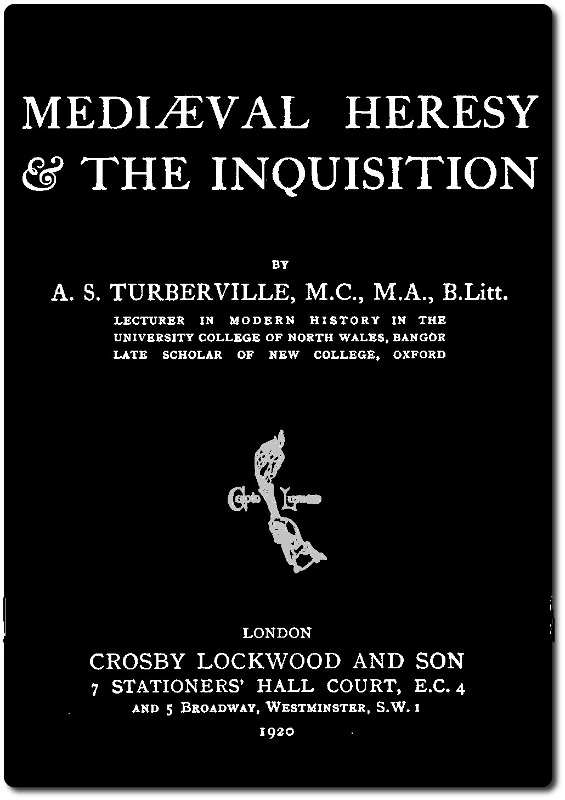
1920
A historical account written in the early 20th century. The work explores the complex relationship between various heretical movements that emerged in the Middle Ages and the Church's response to them through the Inquisition. With a focus primarily on the origins of heresy and the nature of ecclesiastical power, it seeks to provide insight into the doctrinal conflicts and social conditions that fueled these movements. The opening of the book sets the stage by describing the historical context of the Middle Ages, establishing a nuanced perspective on what is often referred to as the ''Ages of Faith.'' Turberville asserts that this title does not reflect the whole truth, as various heresies arose from psychological, social, and intellectual tensions within society. He delves into the concept of the ''Civitas Dei,'' emphasizing the intertwined relationship of church and state, and addresses the roots of heresy stemming from clerical abuses and public dissatisfaction. By laying this groundwork, the author suggests that the Inquisition's emergence was a societal response to the perceived threats posed by heretical teachings, highlighting the complexities of faith and authority during this turbulent period.