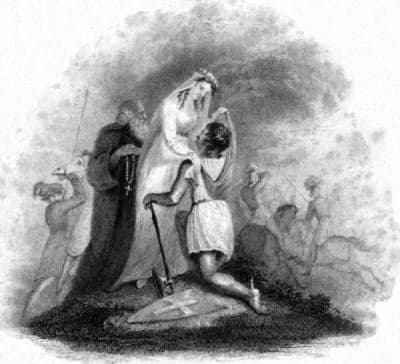
The History of Chivalry; Or, Knighthood and Its Times, Volume 2 (of 2)
The History of Chivalry; Or, Knighthood and Its Times, Volume 2 (of 2)
Volume Two of Charles Mills's monumental history plunges into the glittering court of Edward III, where chivalry reached its magnificent zenith. This is not dry chronicle but vivid reconstruction: the thunder of charging horses at tournament grounds, the elaborate codes of courtesy that governed every interaction between knight and lady, and the ruthless reality of war that tested those ideals against blood and steel. Mills introduces us to Sir Walter Manny and other heroes of the era, men whose deeds were measured in both battlefield prowess and the refinement of their manners. The book illuminates how English archers transformed military strategy while knights clung to their codes of honor, creating a fascinating tension between medieval pageantry and the harsh mechanics of medieval warfare. For readers who have ever imagined themselves in a great hall, cloaked in armor, awaiting the call to tournament or battle, this volume offers the genuine article: a window into an age when the line between legend and lived experience blur.
Editions
X-Ray
King of England during the golden age of English chivalry. Known for his courtesy, tournaments, and establishment of the Order of the Garter.
Son of Edward III, renowned for his chivalric conduct and military prowess. Famous for his courtesy to prisoners and his victories at Cressy and Poictiers.
A Flemish knight in service to Edward III, exemplar of chivalric virtue. Known for his prowess in battle, generosity, and founding of the Charter-house.
One of the greatest English knights, sage counselor and valiant warrior. Known for his wisdom at Poictiers and his generosity to enemies.
About The History of Chivalry; Or, Knighthood and Its Times, Volume 2 (of 2)
Chapter Summaries
- I
- Mills describes the golden age of English chivalry under Edward III, including tournaments, the Round Table, and the founding of the Order of the Garter. He provides detailed accounts of great knights like Sir Walter Manny, Sir James Audley, and Sir John Chandos.
- II
- Chronicles the decline of chivalry in England, from complaints about Richard II's court through the Wars of the Roses to Henry VIII's tournaments. Discusses Scottish chivalry and notable battles like Otterbourn.
- III
- Examines chivalry's final phase in England, supported by literature like Spenser's Faerie Queene and embodied by Sir Philip Sidney. Discusses the transition from martial to literary chivalry and its eventual extinction.
Key Themes
- The Evolution of Honor
- Mills traces how concepts of honor evolved from Germanic warrior codes through Christian influence to courtly refinement. He shows how personal honor became institutionalized in orders of knighthood.
- Christianity's Civilizing Influence
- The work demonstrates how Christian ideals transformed brutal warrior culture into a more refined system emphasizing protection of the weak and mercy to enemies.
- The Decline of Idealism
- Mills chronicles the gradual corruption of chivalric ideals, from pure knightly virtue to mere ceremony and eventually to complete obsolescence in the face of changing warfare and society.
Characters
- Edward III(major)
- King of England during the golden age of English chivalry. Known for his courtesy, tournaments, and establishment of the Order of the Garter.
- The Black Prince(major)
- Son of Edward III, renowned for his chivalric conduct and military prowess. Famous for his courtesy to prisoners and his victories at Cressy and Poictiers.
- Sir Walter Manny(major)
- A Flemish knight in service to Edward III, exemplar of chivalric virtue. Known for his prowess in battle, generosity, and founding of the Charter-house.
- Sir John Chandos(major)
- One of the greatest English knights, sage counselor and valiant warrior. Known for his wisdom at Poictiers and his generosity to enemies.
- Sir James Audley(major)
- English knight famous for his heroism at Poictiers and his generosity to his squires. Made a vow to be first in battle.
- Bertrand du Guesclin(major)
- The great Breton knight and Constable of France. Rose from humble origins to become the most feared opponent of English chivalry.
Link to this book
Add a free, dofollow link to Lex on your blog, forum, syllabus, or reading list.

<a href="https://lex-books.com/book/the-history-of-chivalry-or-knighthood-and-its-times-volume-2-of-2-2e7ffe5b-998f-47af-b872-b88c6ac881c4"><img src="https://lex-books.com/badges/read-on-lex.svg" alt="Read The History of Chivalry; Or, Knighthood and Its Times, Volume 2 (of 2) by Charles Mills free on Lex" width="160" height="40"></a>[](https://lex-books.com/book/the-history-of-chivalry-or-knighthood-and-its-times-volume-2-of-2-2e7ffe5b-998f-47af-b872-b88c6ac881c4)[url=https://lex-books.com/book/the-history-of-chivalry-or-knighthood-and-its-times-volume-2-of-2-2e7ffe5b-998f-47af-b872-b88c6ac881c4][img]https://lex-books.com/badges/read-on-lex.svg[/img][/url]Read The History of Chivalry; Or, Knighthood and Its Times, Volume 2 (of 2) by Charles Mills free on Lex: https://lex-books.com/book/the-history-of-chivalry-or-knighthood-and-its-times-volume-2-of-2-2e7ffe5b-998f-47af-b872-b88c6ac881c4Cite this book
Reading this edition for a paper or guide? Copy a citation.
Mills, Charles. The History of Chivalry; Or, Knighthood and Its Times, Volume 2 (of 2). Lex, lex-books.com/book/the-history-of-chivalry-or-knighthood-and-its-times-volume-2-of-2-2e7ffe5b-998f-47af-b872-b88c6ac881c4.Mills, C. (n.d.). The History of Chivalry; Or, Knighthood and Its Times, Volume 2 (of 2). Lex. https://lex-books.com/book/the-history-of-chivalry-or-knighthood-and-its-times-volume-2-of-2-2e7ffe5b-998f-47af-b872-b88c6ac881c4Mills, Charles. The History of Chivalry; Or, Knighthood and Its Times, Volume 2 (of 2). Lex. https://lex-books.com/book/the-history-of-chivalry-or-knighthood-and-its-times-volume-2-of-2-2e7ffe5b-998f-47af-b872-b88c6ac881c4.