A General History and Collection of Voyages and Travels — Volume 01: Arranged in Systematic Order: Forming a Complete History of the Origin and Progress of Navigation, Discovery, and Commerce, by Sea and Land, from the Earliest Ages to the Present Time
1824
A General History and Collection of Voyages and Travels — Volume 01: Arranged in Systematic Order: Forming a Complete History of the Origin and Progress of Navigation, Discovery, and Commerce, by Sea and Land, from the Earliest Ages to the Present Time
1824
Before GPS crossed every ocean and maps charted every coast, there were voyagers who sailed into the unknown with only stars and courage to guide them. Robert Kerr's 1824 compilation gathers the scattered accounts of those who first mapped our world: the Norse seafarers who stumbled upon Iceland, the merchants who traced ancient trade routes, the adventurers who pushed into waters where no European had ventured. This first volume opens with the discovery of Iceland by Norwegian sailors in the ninth century, then moves through King Alfred's remarkable maritime activities and the extraordinary journey of Ohthere of Hålogaland, who sailed from Norway to the White Sea and recorded what he found there. Kerr writes with the systematic mind of a nineteenth-century scholar but preserves something of the raw astonishment these journeys inspired. These are the original adventure stories, the texts that first fired human imagination with the possibility of what lay beyond the horizon. For anyone curious about where modern exploration began and how humanity slowly learned the shape of its own world, this remains a remarkable starting point.
Editions
X-Ray
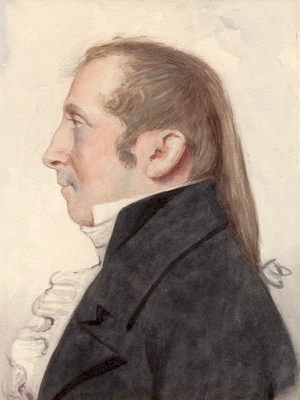
The editor and compiler of this collection of voyages and travels. A learned Scottish scholar who systematically arranged historical accounts of navigation and discovery from the earliest ages.
King of England in the 9th century who translated Orosius and preserved early geographical knowledge. A hero, legislator, and philosopher who promoted learning among his people.
A Norwegian chieftain and explorer who made voyages to the White Sea and Baltic in the 9th century. Provided King Alfred with detailed accounts of northern territories and peoples.
A Spanish Jewish rabbi who traveled extensively through Europe, Asia, and Africa between 1160-1173. Documented Jewish communities and customs throughout the known world.
About A General History and Collection of Voyages and Travels — Volume 01: Arranged in Systematic Order: Forming a Complete History of the Origin and Progress of Navigation, Discovery, and Commerce, by Sea and Land, from the Earliest Ages to the Present Time
Chapter Summaries
- Preface
- Kerr outlines his systematic approach to collecting and arranging historical accounts of voyages and travels. He explains the chronological and geographical organization of the work, beginning with Alfred's era in the 9th century.
- I
- Covers the discovery of Iceland by Norwegians and the voyages of Ohthere and Wulfstan as recorded by King Alfred. Includes Alfred's geographical description of the known world in the 9th century.
- II
- Describes Eric the Red's discovery and colonization of Greenland around 982-986, following his exile from Iceland. Details the establishment of Norse settlements in this harsh northern land.
Key Themes
- The Progress of Human Knowledge
- The collection demonstrates how geographical and cultural knowledge accumulated over centuries through the courage of individual travelers. Each voyage added to humanity's understanding of the world's extent and diversity.
- Cultural Exchange and Conflict
- The accounts reveal both the benefits of cultural exchange and the devastating conflicts between civilizations. Trade routes facilitated knowledge transfer, while military conquests brought destruction and cultural transformation.
- Religious Mission and Diplomacy
- Many journeys were undertaken for religious purposes, whether Christian missionary work, Islamic pilgrimage, or Jewish community documentation. Religion served as both motivation for travel and a lens for understanding foreign cultures.
Characters
- Robert Kerr(protagonist)
- The editor and compiler of this collection of voyages and travels. A learned Scottish scholar who systematically arranged historical accounts of navigation and discovery from the earliest ages.
- King Alfred(major)
- King of England in the 9th century who translated Orosius and preserved early geographical knowledge. A hero, legislator, and philosopher who promoted learning among his people.
- Ohthere(major)
- A Norwegian chieftain and explorer who made voyages to the White Sea and Baltic in the 9th century. Provided King Alfred with detailed accounts of northern territories and peoples.
- Benjamin of Tudela(major)
- A Spanish Jewish rabbi who traveled extensively through Europe, Asia, and Africa between 1160-1173. Documented Jewish communities and customs throughout the known world.
- John de Plano Carpini(major)
- An Italian Franciscan friar sent as papal ambassador to the Mongol Khan in 1246. Provided detailed accounts of Mongol customs, military tactics, and empire.
- William de Rubruquis(major)
- A Flemish Franciscan friar who traveled to the Mongol court around 1253 on behalf of King Louis IX of France. Documented Mongol society and geography.
Link to this book
Add a free, dofollow link to Lex on your blog, forum, syllabus, or reading list.

<a href="https://lex-books.com/book/a-general-history-and-collection-of-voyages-and-travels-volume-01-arranged-in-sy-044812d2-aa94-47c0-a2de-c8a327dd16f2"><img src="https://lex-books.com/badges/read-on-lex.svg" alt="Read A General History and Collection of Voyages and Travels — Volume 01: Arranged in Systematic Order: Forming a Complete History of the Origin and Progress of Navigation, Discovery, and Commerce, by Sea and Land, from the Earliest Ages to the Present Time by Robert Kerr free on Lex" width="160" height="40"></a>[](https://lex-books.com/book/a-general-history-and-collection-of-voyages-and-travels-volume-01-arranged-in-sy-044812d2-aa94-47c0-a2de-c8a327dd16f2)[url=https://lex-books.com/book/a-general-history-and-collection-of-voyages-and-travels-volume-01-arranged-in-sy-044812d2-aa94-47c0-a2de-c8a327dd16f2][img]https://lex-books.com/badges/read-on-lex.svg[/img][/url]Read A General History and Collection of Voyages and Travels — Volume 01: Arranged in Systematic Order: Forming a Complete History of the Origin and Progress of Navigation, Discovery, and Commerce, by Sea and Land, from the Earliest Ages to the Present Time by Robert Kerr free on Lex: https://lex-books.com/book/a-general-history-and-collection-of-voyages-and-travels-volume-01-arranged-in-sy-044812d2-aa94-47c0-a2de-c8a327dd16f2Cite this book
Reading this edition for a paper or guide? Copy a citation.
Kerr, Robert. A General History and Collection of Voyages and Travels — Volume 01: Arranged in Systematic Order: Forming a Complete History of the Origin and Progress of Navigation, Discovery, and Commerce, by Sea and Land, from the Earliest Ages to the Present Time. Lex, lex-books.com/book/a-general-history-and-collection-of-voyages-and-travels-volume-01-arranged-in-sy-044812d2-aa94-47c0-a2de-c8a327dd16f2.Kerr, R. (1824). A General History and Collection of Voyages and Travels — Volume 01: Arranged in Systematic Order: Forming a Complete History of the Origin and Progress of Navigation, Discovery, and Commerce, by Sea and Land, from the Earliest Ages to the Present Time. Lex. https://lex-books.com/book/a-general-history-and-collection-of-voyages-and-travels-volume-01-arranged-in-sy-044812d2-aa94-47c0-a2de-c8a327dd16f2Kerr, Robert. A General History and Collection of Voyages and Travels — Volume 01: Arranged in Systematic Order: Forming a Complete History of the Origin and Progress of Navigation, Discovery, and Commerce, by Sea and Land, from the Earliest Ages to the Present Time. Lex. https://lex-books.com/book/a-general-history-and-collection-of-voyages-and-travels-volume-01-arranged-in-sy-044812d2-aa94-47c0-a2de-c8a327dd16f2.