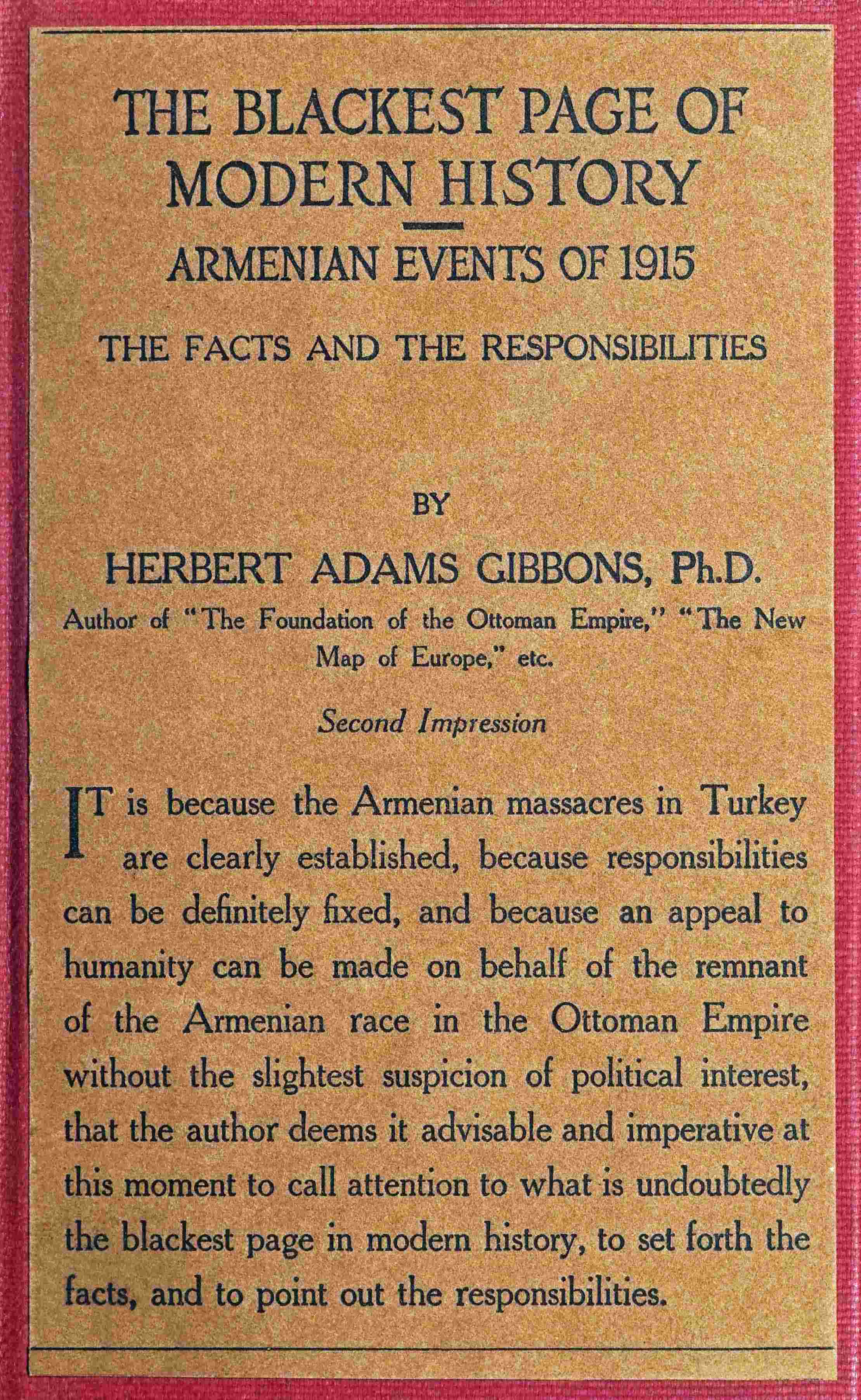
The Foundation of the Ottoman Empire; A History of the Osmanlis Up to the Death of Bayezid I (1300-1403)
1916
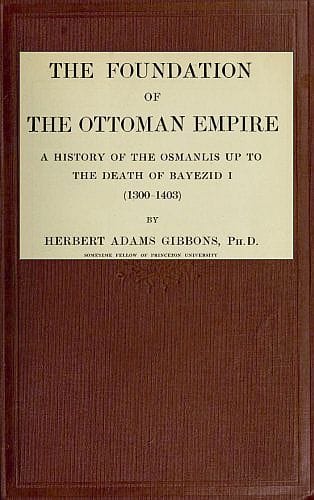
The Foundation of the Ottoman Empire; A History of the Osmanlis Up to the Death of Bayezid I (1300-1403)
1916
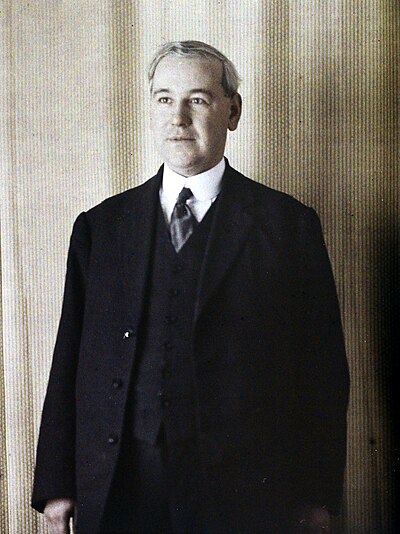
Published in 1916, this was among the first rigorous English-language histories of the Ottoman Empire's birth. Herbert Adams Gibbons wrote from direct experience in the region, drawing on sources and observations unavailable to most Western scholars of his era. The book traces the remarkable transformation of a obscure Anatolian beylik into a territorial power between 1300 and 1403, chronicling how Osman I leveraged the chaos left by Byzantine decline and Mongol invasions to establish a small but viable state. The narrative follows his successor Orkhan, who built the first Ottoman standing army and secured Byzantine territories through strategic marriages. By the time of Bayezid I, the Ottomans had become the dominant power in Asia Minor and laid siege to Constantinople itself. Gibbons paints a portrait of state formation in real time, showing how a tribal confederacy became something far more dangerous: an empire with institutions, ambitions, and a sense of divine destiny. For students of medieval history, Ottoman studies, or the collapse of Byzantium, this remains a foundational text that illuminated a civilization often overlooked by Western historiography.
Editions
X-Ray
Founder of the Ottoman Empire and the Osmanli people. A village chieftain who converted to Islam and began the transformation of a small pastoral tribe into a conquering nation. Known for his compelling personality and ability to attract loyal followers.
Second Ottoman ruler who transformed the Osmanlis from a heterogeneous band into a nation. Organized the Ottoman army, established laws, and first brought the Osmanlis into Europe through marriage alliances and military campaigns.
Third Ottoman ruler who established Ottoman dominance in the Balkans. Made Adrianople the first real Ottoman capital and decided to build the empire in Europe rather than Asia. Created the janissary corps and expanded Ottoman territory significantly.
Fourth Ottoman ruler known as 'the Thunderbolt' for his rapid conquests. Inherited the Byzantine Empire's territories and expanded Ottoman power until defeated by Timur at Ankara in 1402.
About The Foundation of the Ottoman Empire; A History of the Osmanlis Up to the Death of Bayezid I (1300-1403)
Chapter Summaries
- 1
- Traces the origins of Osman and his tribe in northwestern Asia Minor, their conversion to Islam, and the beginning of Ottoman expansion. Argues that the Osmanlis were formed through the fusion of Turkish and local Christian elements.
- 2
- Describes Orkhan's completion of the conquest of Bithynia, the organization of the Ottoman state and army, and the first Ottoman involvement in European affairs through marriage alliances and mercenary service.
- 3
- Chronicles Murad's decisive move into Europe, the conquest of Thrace and Macedonia, and the establishment of Adrianople as the Ottoman capital. Shows how Murad chose to build the empire in Europe rather than Asia.
Key Themes
- Religious Conversion and Identity
- The transformation of the Osmanlis from pagans to Muslims under Osman, and their policy of religious tolerance that enabled the assimilation of Christian populations. The book argues that conversion to Islam was the key to Ottoman success.
- Empire Building vs. Raiding
- Gibbons emphasizes that the Osmanlis were empire-builders, not mere raiders like other Turkic peoples. Their success came from patient assimilation of conquered peoples rather than destruction and plunder.
- East vs. West Religious Conflict
- The deep animosity between Eastern Orthodox and Roman Catholic Christianity prevented effective Christian unity against the Ottomans. This religious schism was exploited by Ottoman rulers and aided their conquests.
Characters
- Osman(protagonist)
- Founder of the Ottoman Empire and the Osmanli people. A village chieftain who converted to Islam and began the transformation of a small pastoral tribe into a conquering nation. Known for his compelling personality and ability to attract loyal followers.
- Orkhan(protagonist)
- Second Ottoman ruler who transformed the Osmanlis from a heterogeneous band into a nation. Organized the Ottoman army, established laws, and first brought the Osmanlis into Europe through marriage alliances and military campaigns.
- Murad I(protagonist)
- Third Ottoman ruler who established Ottoman dominance in the Balkans. Made Adrianople the first real Ottoman capital and decided to build the empire in Europe rather than Asia. Created the janissary corps and expanded Ottoman territory significantly.
- Bayezid I(protagonist)
- Fourth Ottoman ruler known as 'the Thunderbolt' for his rapid conquests. Inherited the Byzantine Empire's territories and expanded Ottoman power until defeated by Timur at Ankara in 1402.
- John Cantacuzenos(antagonist)
- Byzantine emperor who invited the Osmanlis into Europe as mercenaries in his civil war against the Palaeologi. His ambition and betrayal of his trust as regent led directly to the Ottoman foothold in Europe.
- John V Palaeologos(major)
- Byzantine emperor who became a vassal of the Ottomans. Struggled against Cantacuzenos and later his own son Andronicus IV. His weakness and internal conflicts facilitated Ottoman expansion.
Link to this book
Add a free, dofollow link to Lex on your blog, forum, syllabus, or reading list.

<a href="https://lex-books.com/book/the-foundation-of-the-ottoman-empire-a-history-of-the-osmanlis-up-to-the-death-o-300f3cce-b06c-4d38-aae4-194e15c60d20"><img src="https://lex-books.com/badges/read-on-lex.svg" alt="Read The Foundation of the Ottoman Empire; A History of the Osmanlis Up to the Death of Bayezid I (1300-1403) by Herbert Adams Gibbons free on Lex" width="160" height="40"></a>[](https://lex-books.com/book/the-foundation-of-the-ottoman-empire-a-history-of-the-osmanlis-up-to-the-death-o-300f3cce-b06c-4d38-aae4-194e15c60d20)[url=https://lex-books.com/book/the-foundation-of-the-ottoman-empire-a-history-of-the-osmanlis-up-to-the-death-o-300f3cce-b06c-4d38-aae4-194e15c60d20][img]https://lex-books.com/badges/read-on-lex.svg[/img][/url]Read The Foundation of the Ottoman Empire; A History of the Osmanlis Up to the Death of Bayezid I (1300-1403) by Herbert Adams Gibbons free on Lex: https://lex-books.com/book/the-foundation-of-the-ottoman-empire-a-history-of-the-osmanlis-up-to-the-death-o-300f3cce-b06c-4d38-aae4-194e15c60d20Cite this book
Reading this edition for a paper or guide? Copy a citation.
Gibbons, Herbert Adams. The Foundation of the Ottoman Empire; A History of the Osmanlis Up to the Death of Bayezid I (1300-1403). Lex, lex-books.com/book/the-foundation-of-the-ottoman-empire-a-history-of-the-osmanlis-up-to-the-death-o-300f3cce-b06c-4d38-aae4-194e15c60d20.Gibbons, H. A. (1916). The Foundation of the Ottoman Empire; A History of the Osmanlis Up to the Death of Bayezid I (1300-1403). Lex. https://lex-books.com/book/the-foundation-of-the-ottoman-empire-a-history-of-the-osmanlis-up-to-the-death-o-300f3cce-b06c-4d38-aae4-194e15c60d20Gibbons, Herbert Adams. The Foundation of the Ottoman Empire; A History of the Osmanlis Up to the Death of Bayezid I (1300-1403). Lex. https://lex-books.com/book/the-foundation-of-the-ottoman-empire-a-history-of-the-osmanlis-up-to-the-death-o-300f3cce-b06c-4d38-aae4-194e15c60d20.