A History of the Inquisition of the Middle Ages; Volume I

A History of the Inquisition of the Middle Ages; Volume I
Henry Charles Lea's monumental three-volume study remains the most rigorous English-language investigation into one of history's most feared institutions. Written with dispassionate precision and built on decades of primary source research, Lea dismantled centuries of polemic to reveal the Inquisition as a product of medieval political, social, and theological forces rather than simple malevolence. Volume I traces the institution's emergence from the Church's crisis of authority in the twelfth century: the rise of popular heresies like Catharism and Waldensianism, the conflict between a corrupt clerical elite and an increasingly restive laity, and the gradual evolution of ecclesiastical courts into an organized apparatus for detecting and punishing dissent. Lea's achievement lies in his refusal to moralize while allowing the records to speak: the result is a portrait of an institution shaped by genuine religious terror, institutional self-interest, and the collision between absolute truth-claims and human complexity. A century later, this remains essential reading for anyone seeking to understand how the medieval Church attempted to police belief itself.
Editions

X-Ray
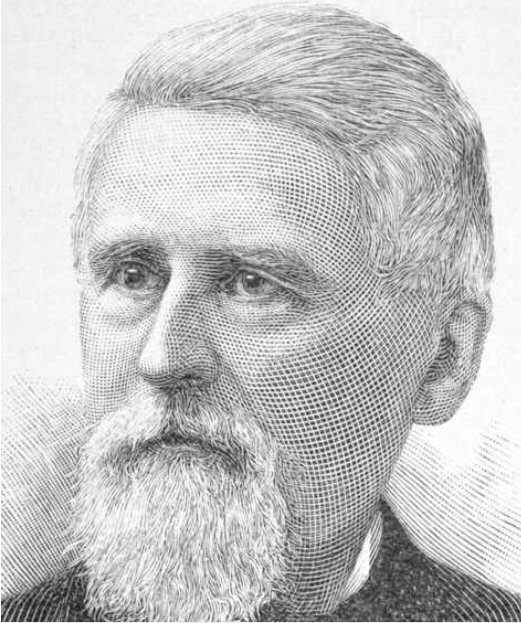
The author and historian who presents this comprehensive study of the medieval Inquisition. A meticulous scholar dedicated to examining original sources and presenting an impartial account of the institution's development.
Pope from 1198-1216 who launched the Albigensian Crusades and systematically organized persecution of heretics. A masterful politician who wielded both spiritual and temporal power ruthlessly.
Count of Toulouse who became the primary target of papal persecution despite his attempts at submission. A complex figure caught between protecting his subjects and appeasing the Church.
Norman crusader who became the military leader of the Albigensian Crusade. A deeply religious warrior who saw himself as God's instrument in destroying heresy.
About A History of the Inquisition of the Middle Ages; Volume I
Chapter Summaries
- Preface
- Lea explains his methodology and approach to studying the Inquisition, emphasizing his reliance on original sources and his goal of presenting an impartial account. He acknowledges the assistance of numerous scholars and archivists who aided his research.
- 1
- Describes the Church's rise to unprecedented power by the 12th century and the corruption that accompanied this success. Lea details the various abuses including simony, clerical immorality, and the exploitation of the faithful that created widespread anticlericalism.
- 2
- Examines the intellectual awakening of the 12th century and the rise of antisacerdotal heresies. Lea traces the careers of early heretical leaders like Tanchelm, Pierre de Bruys, Henry of Lausanne, and Peter Waldo, showing how Church corruption fostered religious dissent.
Key Themes
- Corruption of Religious Authority
- Lea extensively documents how clerical corruption, simony, and worldliness created the conditions that fostered heretical movements. The Church's own moral failures provided ammunition for its critics and drove people to seek alternative forms of spirituality.
- The Evolution of Persecution
- The work traces how the Church gradually developed systematic methods of persecution, from early tolerance to the establishment of the Inquisition. This evolution reflects the institution's growing fear of losing control over Christian souls.
- Political vs. Spiritual Motivations
- Lea reveals how religious conflicts were often driven by political ambitions, territorial disputes, and economic interests rather than pure theological concerns. The Albigensian Crusade exemplifies how spiritual warfare became a tool for political conquest.
Characters
- Henry Charles Lea(protagonist)
- The author and historian who presents this comprehensive study of the medieval Inquisition. A meticulous scholar dedicated to examining original sources and presenting an impartial account of the institution's development.
- Innocent III(major)
- Pope from 1198-1216 who launched the Albigensian Crusades and systematically organized persecution of heretics. A masterful politician who wielded both spiritual and temporal power ruthlessly.
- Raymond VI of Toulouse(major)
- Count of Toulouse who became the primary target of papal persecution despite his attempts at submission. A complex figure caught between protecting his subjects and appeasing the Church.
- Simon de Montfort(major)
- Norman crusader who became the military leader of the Albigensian Crusade. A deeply religious warrior who saw himself as God's instrument in destroying heresy.
- Pierre de Castelnau(major)
- Cistercian monk and papal legate whose murder in 1208 provided the pretext for launching the Albigensian Crusade. His death became a rallying cry for the Church.
- Arnaud of Citeaux(major)
- Abbot of Citeaux and chief papal legate who led the Albigensian Crusade. Known for his ruthless determination to exterminate heresy, including the massacre at Béziers.
Link to this book
Add a free, dofollow link to Lex on your blog, forum, syllabus, or reading list.

<a href="https://lex-books.com/book/a-history-of-the-inquisition-of-the-middle-ages-volume-i-258cad59-bfb6-41a6-ab51-60b4c194def2"><img src="https://lex-books.com/badges/read-on-lex.svg" alt="Read A History of the Inquisition of the Middle Ages; Volume I by Henry Charles Lea free on Lex" width="160" height="40"></a>[](https://lex-books.com/book/a-history-of-the-inquisition-of-the-middle-ages-volume-i-258cad59-bfb6-41a6-ab51-60b4c194def2)[url=https://lex-books.com/book/a-history-of-the-inquisition-of-the-middle-ages-volume-i-258cad59-bfb6-41a6-ab51-60b4c194def2][img]https://lex-books.com/badges/read-on-lex.svg[/img][/url]Read A History of the Inquisition of the Middle Ages; Volume I by Henry Charles Lea free on Lex: https://lex-books.com/book/a-history-of-the-inquisition-of-the-middle-ages-volume-i-258cad59-bfb6-41a6-ab51-60b4c194def2Cite this book
Reading this edition for a paper or guide? Copy a citation.
Lea, Henry Charles. A History of the Inquisition of the Middle Ages; Volume I. Lex, lex-books.com/book/a-history-of-the-inquisition-of-the-middle-ages-volume-i-258cad59-bfb6-41a6-ab51-60b4c194def2.Lea, H. C. (n.d.). A History of the Inquisition of the Middle Ages; Volume I. Lex. https://lex-books.com/book/a-history-of-the-inquisition-of-the-middle-ages-volume-i-258cad59-bfb6-41a6-ab51-60b4c194def2Lea, Henry Charles. A History of the Inquisition of the Middle Ages; Volume I. Lex. https://lex-books.com/book/a-history-of-the-inquisition-of-the-middle-ages-volume-i-258cad59-bfb6-41a6-ab51-60b4c194def2.