Mathilda
1959
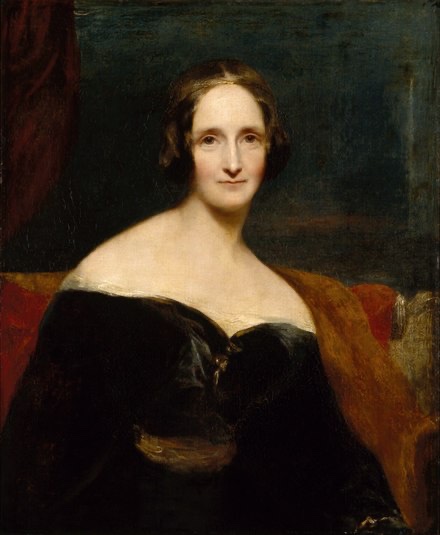
Mary Shelley's "Mathilda" is a lost masterpiece suppressed for over a century. Written when she was only twenty-two, it stands as her most personal and devastating work - a Gothic novella that unflinchingly explores the nature of love, loss, and the impossible bonds between parent and child. Mathilda writes from the threshold of death, looking back on her solitary life in a windswept landscape, her story haunted by her father's obsessive love and her own desperate longings. After her mother's death, her father withdraws into a terrible passion that destroys them both, leaving Mathilda isolated, starving for affection, and trapped by a love she cannot return or refuse. This is autobiographical fiction at its most raw - Mathilda represents Shelley herself, her father the philosopher William Godwin, the poet lover Percy Shelley. What makes it endure is not merely its scandalous subject matter but Shelley's luminous prose and her understanding of how emotional catastrophe shapes a consciousness. A work of radical honesty about what families bury.
Editions
X-Ray
“If pain can purify the heart, mine will be pure.””
— Mary Wollstonecraft Shelley
“My greatest pleasure was the enjoyment of a serene sky amidst these verdant woods: yet I loved all the changes of Nature; and rain, and storm, and the beautiful clouds of heaven brought their delights with them. When rocked by the waves of the lake my spirits rose in triumph as a horseman feels with pride the motions of his high fed steed. But my pleasures arose from the contemplation of nature alone, I had no companion: my warm affections finding no return from any other human heart were forced to run waste on inanimate objects.””
— Mary Wollstonecraft Shelley
“A nymph of the woods such as you were,””
— Mary Wollstonecraft Shelley
“I am in a strange state of mind. I am alone”
— Mary Wollstonecraft Shelley
“My warm affections finding no return... were forced to run waste on inanimate objects.””
— Mary Wollstonecraft Shelley
“You are still, as you ever were, lovely, beautiful beyond expression.””
— Mary Wollstonecraft Shelley
“I gained his secret and we were both lost for ever.””
— Mary Wollstonecraft Shelley
“Believe me, I will never desert life until this last hope is torn from my bosom, that in some way my labours may form a link of gold with which we ought all to strive to drag Happiness from where she sits enthroned above the clouds, now far beyond our reach, to inhabit the earth with us.””
— Mary Wollstonecraft Shelley
“In life I dared not; in death, I unveil the mystery.””
— Mary Wollstonecraft Shelley
Link to this book
Add a free, dofollow link to Lex on your blog, forum, syllabus, or reading list.

<a href="https://lex-books.com/book/mathilda-5880352e-d188-46e4-94f5-900cd9a1afff"><img src="https://lex-books.com/badges/read-on-lex.svg" alt="Read Mathilda by Mary Wollstonecraft Shelley free on Lex" width="160" height="40"></a>[](https://lex-books.com/book/mathilda-5880352e-d188-46e4-94f5-900cd9a1afff)[url=https://lex-books.com/book/mathilda-5880352e-d188-46e4-94f5-900cd9a1afff][img]https://lex-books.com/badges/read-on-lex.svg[/img][/url]Read Mathilda by Mary Wollstonecraft Shelley free on Lex: https://lex-books.com/book/mathilda-5880352e-d188-46e4-94f5-900cd9a1afffCite this book
Reading this edition for a paper or guide? Copy a citation.
Shelley, Mary Wollstonecraft. Mathilda. Lex, lex-books.com/book/mathilda-5880352e-d188-46e4-94f5-900cd9a1afff.Shelley, M. W. (1959). Mathilda. Lex. https://lex-books.com/book/mathilda-5880352e-d188-46e4-94f5-900cd9a1afffShelley, Mary Wollstonecraft. Mathilda. Lex. https://lex-books.com/book/mathilda-5880352e-d188-46e4-94f5-900cd9a1afff.