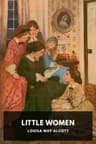
Little Women
1868
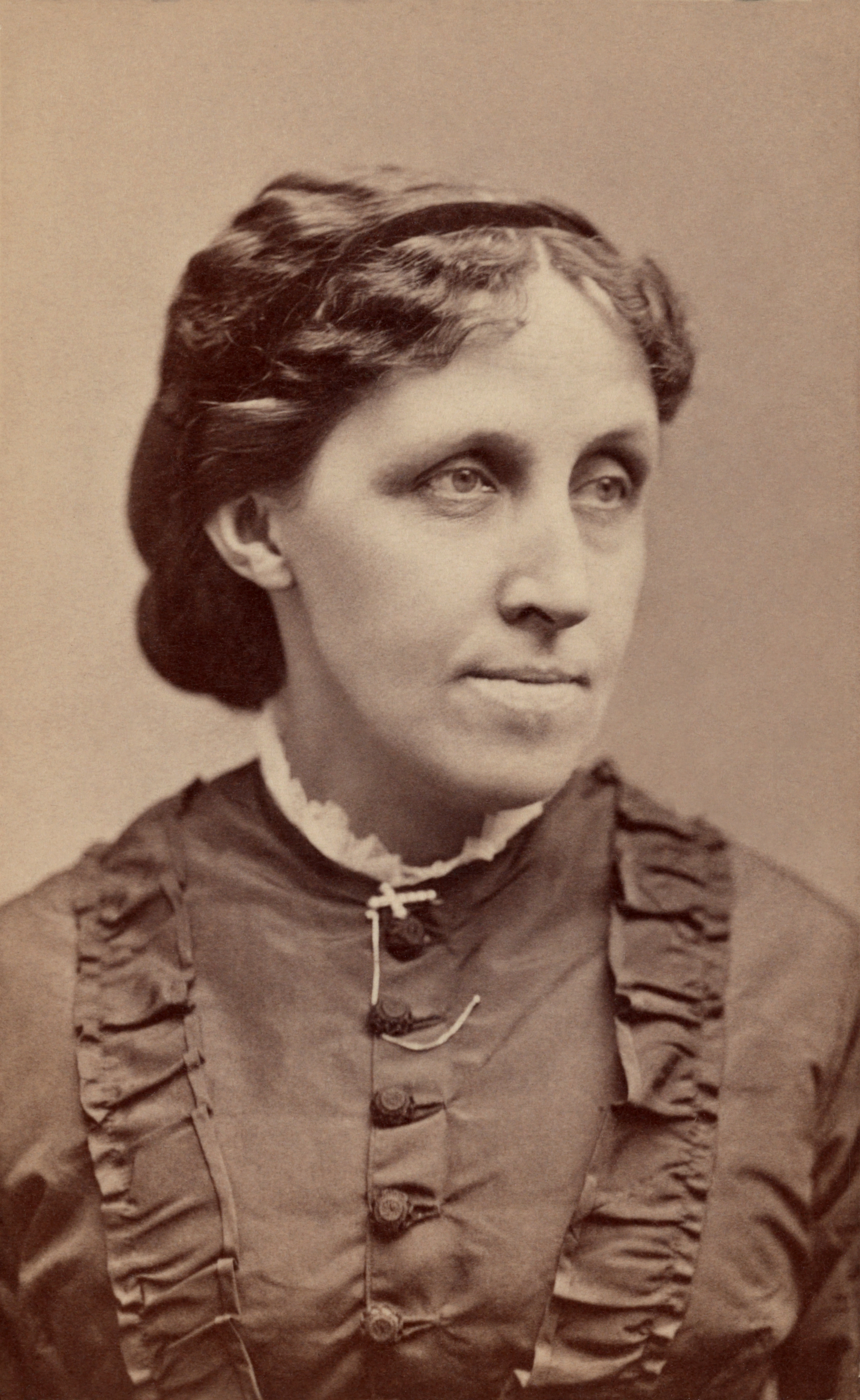
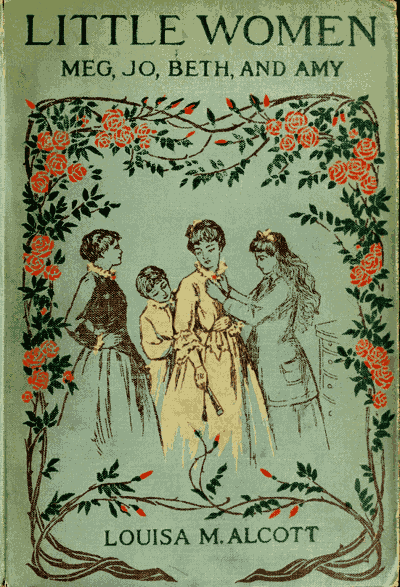
Perhaps no other novel has captured the messy, loving, heartbreaking reality of sisterhood quite like this. Set in a New England household during the Civil War, Little Women follows four sisters, Jo, the defiant writer who refuses to be ladylike; Meg, the beautiful eldest who yearns for a life beyond poverty; Beth, the gentle soul whose fragility hides immense strength; and Amy, the ambitious artist torn between vanity and vulnerability, as they navigate childhood into womanhood. Their father is absent at war, money is scarce, and each girl must wrestle with her own dreams against the demands of family. Alcott, drawing from her own upbringing with three sisters in the household of transcendentalist Bronson Alcott, wrote a novel that was quietly radical: it insisted that girls' lives, their ambitions, their disappointments, their inner worlds, were worth documenting in full. The novel explores love and death, the tension between personal ambition and familial duty, and what it means to grow apart while staying together. Generations have returned to it because it captures something true about how sisters frustrate, sustain, and transform one another into the people they become.
Editions


X-Ray
“I am not afraid of storms, for I am learning how to sail my ship.””
— Louisa May Alcott
“I like good strong words that mean something…””
— Louisa May Alcott
“There are many Beths in the world, shy and quiet, sitting in corners till needed, and living for others so cheerfully that no one sees the sacrifices till the little cricket on the hearth stops chirping, and the sweet, sunshiny presence vanishes, leaving silence and shadow behind.””
— Louisa May Alcott
“I'd rather take coffee than compliments just now.””
— Louisa May Alcott
“I've got the key to my castle in the air, but whether I can unlock the door remains to be seen.””
— Louisa May Alcott
“Women, they have minds, and they have souls, as well as just hearts. And they’ve got ambition, and they’ve got talent, as well as just beauty. I’m so sick of people saying that love is all a woman is fit for.””
— Louisa May Alcott
“Love Jo all your days, if you choose, but don't let it spoil you, for it's wicked to throw away so many good gifts because you can't have the one you want.””
— Louisa May Alcott
“I want to do something splendid...something heroic or wonderful that won't be forgotten after I'm dead. I don't know what, but I'm on the watch for it and mean to astonish you all someday.””
— Louisa May Alcott
“Your father, Jo. He never loses patience, never doubts or complains, but always hopes, and works and waits so cheerfully that one is ashamed to do otherwise before him.””
— Louisa May Alcott
Link to this book
Add a free, dofollow link to Lex on your blog, forum, syllabus, or reading list.

<a href="https://lex-books.com/book/little-women-30ff4d70-b31a-4995-906f-5158379a1c39"><img src="https://lex-books.com/badges/read-on-lex.svg" alt="Read Little Women by Louisa May Alcott free on Lex" width="160" height="40"></a>[](https://lex-books.com/book/little-women-30ff4d70-b31a-4995-906f-5158379a1c39)[url=https://lex-books.com/book/little-women-30ff4d70-b31a-4995-906f-5158379a1c39][img]https://lex-books.com/badges/read-on-lex.svg[/img][/url]Read Little Women by Louisa May Alcott free on Lex: https://lex-books.com/book/little-women-30ff4d70-b31a-4995-906f-5158379a1c39Cite this book
Reading this edition for a paper or guide? Copy a citation.
Alcott, Louisa May. Little Women. Lex, lex-books.com/book/little-women-30ff4d70-b31a-4995-906f-5158379a1c39.Alcott, L. M. (1868). Little Women. Lex. https://lex-books.com/book/little-women-30ff4d70-b31a-4995-906f-5158379a1c39Alcott, Louisa May. Little Women. Lex. https://lex-books.com/book/little-women-30ff4d70-b31a-4995-906f-5158379a1c39.