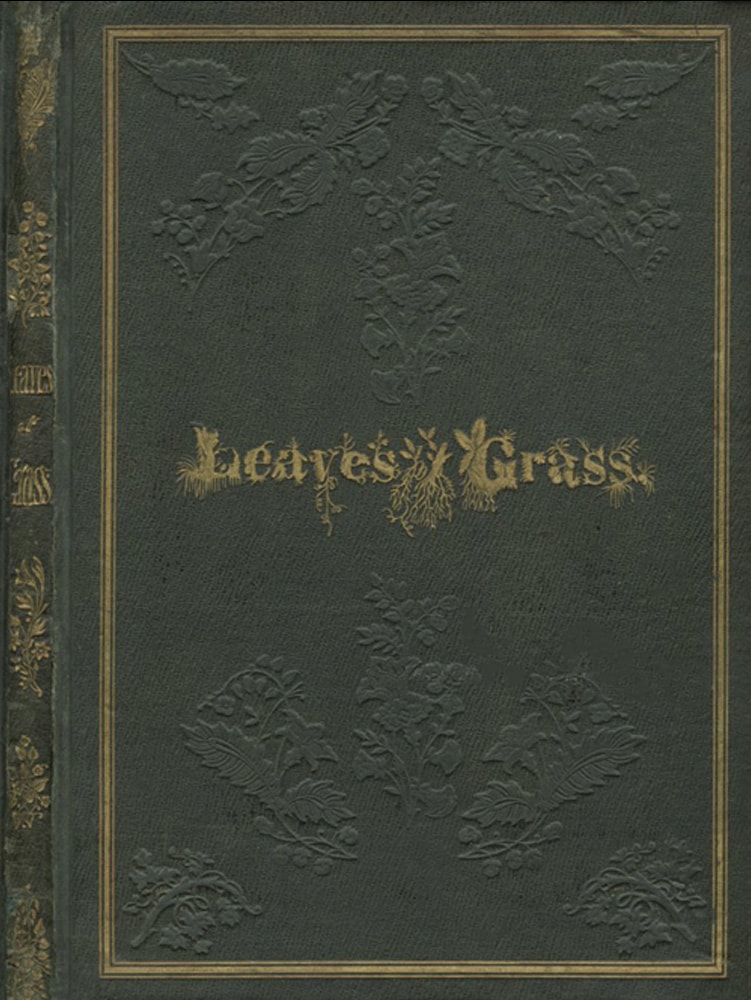
Leaves of Grass
1855
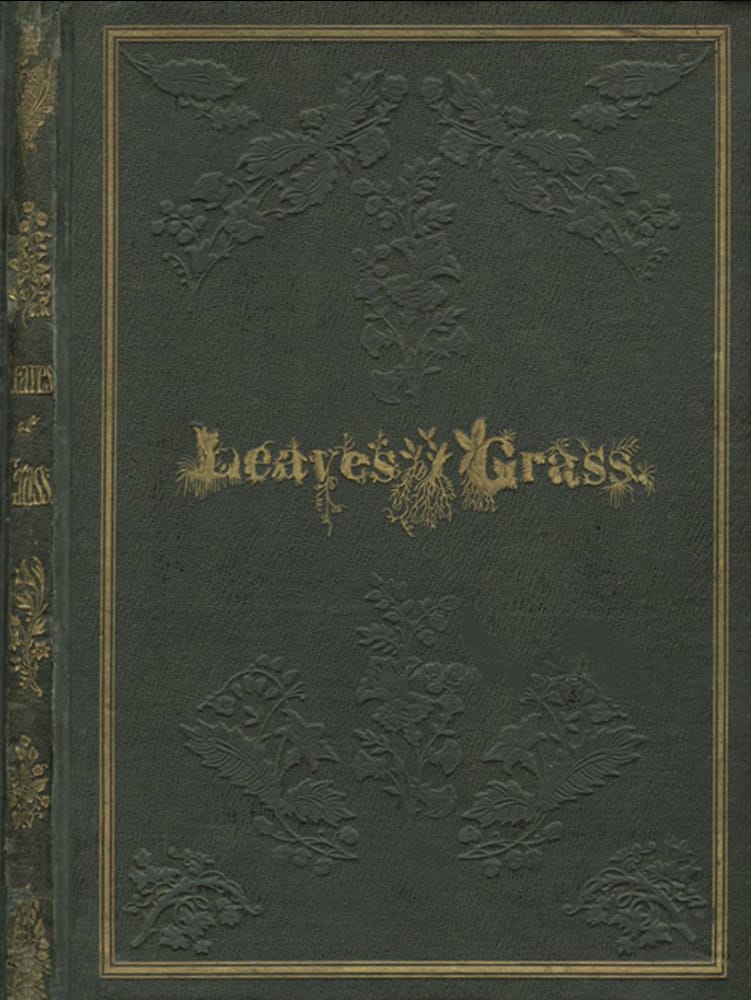
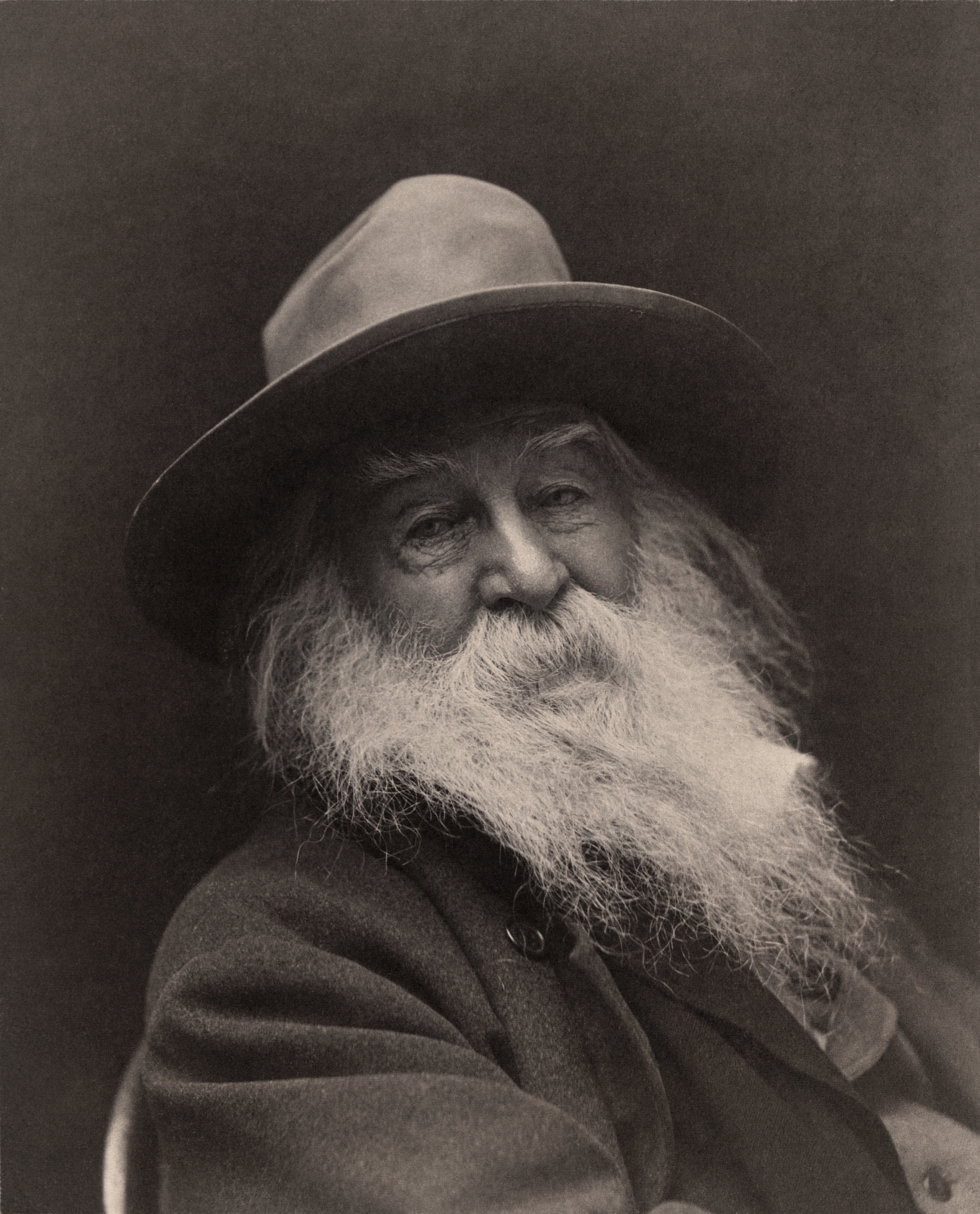
Whitman wanted to invent American poetry from American soil, and this is the explosive result. Published in 1855 as a slim volume of twelve poems, it grew across his lifetime into a sprawling masterwork of over four hundred, each revision deepening his radical vision of democracy, the body, and the soul. He discarded rhyme and conventional meter, crafting free verse that sang with the rhythms of common speech and the vastness of the American landscape. He celebrated the physical world with startling candor, earning scandal and derision, yet his "Song of Myself," "I Sing the Body Electric," and the shattering elegy for Lincoln became the pulse of American literature. This is poetry that refuses to kneel, that insists every body matters, that the self and the universe are one. It endures because it made space for everyone.
Editions

X-Ray
“Resist much, obey little.””
— Walt Whitman
“Do I contradict myself?Very well then I contradict myself,(I am large, I contain multitudes.)””
— Walt Whitman
“Not I, nor anyone else can travel that road for you.You must travel it by yourself.It is not far. It is within reach.Perhaps you have been on it since you were born, and did not know. Perhaps it is everywhere - on water and land.””
— Walt Whitman
“I am large, I contain multitudes””
— Walt Whitman
“Do anything, but let it produce joy.””
— Walt Whitman
“We don't read and write poetry because it's cute. We read and write poetry because we are members of the human race. And the human race is filled with passion. So medicine, law, business, engineering... these are noble pursuits and necessary to sustain life. But poetry, beauty, romance, love... these are what we stay alive for.””
— Walt Whitman
“Peace is always beautiful.””
— Walt Whitman
“O Me! O life!... of the questions of these recurring; Of the endless trains of the faithless”
— Walt Whitman
“I think I could turn and live with animals, they are so placid and self-contain’d, I stand and look at them long and long.They do not sweat and whine about their condition, They do not lie awake in the dark and weep for their sins, They do not make me sick discussing their duty to God, Not one is dissatisfied, not one is demented with the mania of owning things, Not one kneels to another, nor to his kind that lived thousands of years ago, Not one is respectable or unhappy over the whole earth.””
— Walt Whitman
Link to this book
Add a free, dofollow link to Lex on your blog, forum, syllabus, or reading list.

<a href="https://lex-books.com/book/leaves-of-grass-38765769-6d19-4cb0-ad6e-9a50778e2130"><img src="https://lex-books.com/badges/read-on-lex.svg" alt="Read Leaves of Grass by Walt Whitman free on Lex" width="160" height="40"></a>[](https://lex-books.com/book/leaves-of-grass-38765769-6d19-4cb0-ad6e-9a50778e2130)[url=https://lex-books.com/book/leaves-of-grass-38765769-6d19-4cb0-ad6e-9a50778e2130][img]https://lex-books.com/badges/read-on-lex.svg[/img][/url]Read Leaves of Grass by Walt Whitman free on Lex: https://lex-books.com/book/leaves-of-grass-38765769-6d19-4cb0-ad6e-9a50778e2130Cite this book
Reading this edition for a paper or guide? Copy a citation.
Whitman, Walt. Leaves of Grass. Lex, lex-books.com/book/leaves-of-grass-38765769-6d19-4cb0-ad6e-9a50778e2130.Whitman, W. (1855). Leaves of Grass. Lex. https://lex-books.com/book/leaves-of-grass-38765769-6d19-4cb0-ad6e-9a50778e2130Whitman, Walt. Leaves of Grass. Lex. https://lex-books.com/book/leaves-of-grass-38765769-6d19-4cb0-ad6e-9a50778e2130.