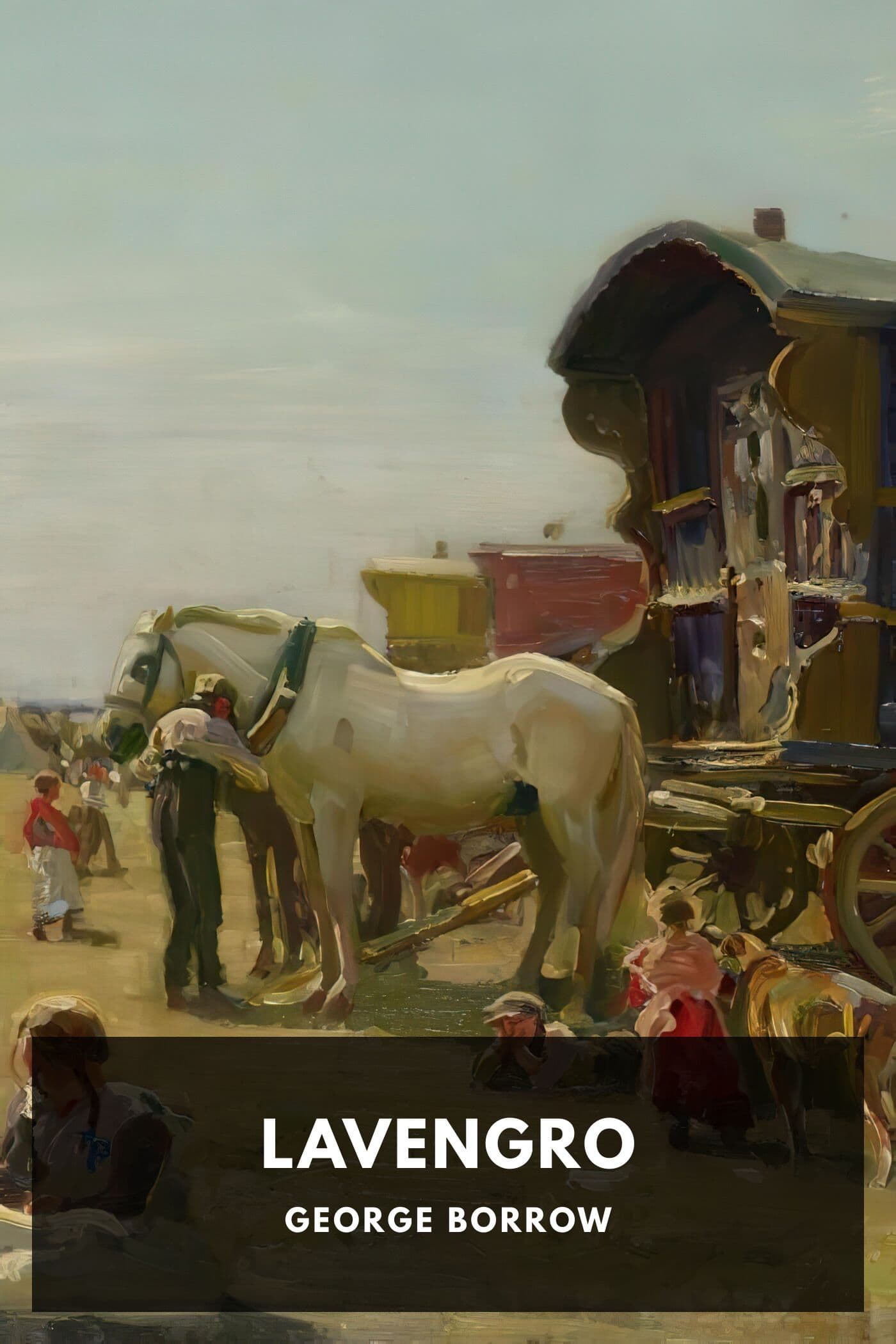
Lavengro: The Scholar, the Gypsy, the Priest
1900
Lavengro is neither quite novel nor quite memoir, but something wilder: a wandering account of a man who refuses to stay put in any world offered to him. Born to a militia officer and a Huguenot mother, raised in barrack towns across England, Scotland, and Ireland, our nameless protagonist apprentices to a lawyer, descends into London Grub Street as a hack writer, then abandons respectability altogether to take to the road as a tinker. Along the way he falls in with Romany travelers, learning their language and recording their stories with an outsider's sympathy that was radical for its time. George Borrow wrote himself into the book as Lavengro, a word that means 'word master' in Romany, and the title is both boast and confession: this is a man in love with language, with movement, with life lived at the margins. The book defies conventional narrative, ending abruptly mid-thought, to be continued in The Romany Rye. It breathes the spirit of strong and eccentric characters, as G.M. Trevelyan noted, and it offers something rarer than plot: the texture of a restless mind encountering the odd, beautiful world.
Editions

X-Ray
“There's night and day, brother, both sweet things; sun, moon, and stars, brother, all sweet things; there's likewise a wind on the heath. Life is very sweet, brother; who would wish to die?””
— George Borrow
“Translation is at best an echo.””
— George Borrow
“There’s the wind on the heath, brother; if I could only feel that, I would gladly live for ever.””
— George Borrow
“[M]ischief itself is merely an attempt to escape from the dreary vacuum of idleness.””
— George Borrow
Link to this book
Add a free, dofollow link to Lex on your blog, forum, syllabus, or reading list.

<a href="https://lex-books.com/book/lavengro-the-scholar-the-gypsy-the-priest-579369e1-36fc-405f-ab91-54660e446825"><img src="https://lex-books.com/badges/read-on-lex.svg" alt="Read Lavengro: The Scholar, the Gypsy, the Priest by George Borrow free on Lex" width="160" height="40"></a>[](https://lex-books.com/book/lavengro-the-scholar-the-gypsy-the-priest-579369e1-36fc-405f-ab91-54660e446825)[url=https://lex-books.com/book/lavengro-the-scholar-the-gypsy-the-priest-579369e1-36fc-405f-ab91-54660e446825][img]https://lex-books.com/badges/read-on-lex.svg[/img][/url]Read Lavengro: The Scholar, the Gypsy, the Priest by George Borrow free on Lex: https://lex-books.com/book/lavengro-the-scholar-the-gypsy-the-priest-579369e1-36fc-405f-ab91-54660e446825Cite this book
Reading this edition for a paper or guide? Copy a citation.
Borrow, George. Lavengro: The Scholar, the Gypsy, the Priest. Lex, lex-books.com/book/lavengro-the-scholar-the-gypsy-the-priest-579369e1-36fc-405f-ab91-54660e446825.Borrow, G. (1900). Lavengro: The Scholar, the Gypsy, the Priest. Lex. https://lex-books.com/book/lavengro-the-scholar-the-gypsy-the-priest-579369e1-36fc-405f-ab91-54660e446825Borrow, George. Lavengro: The Scholar, the Gypsy, the Priest. Lex. https://lex-books.com/book/lavengro-the-scholar-the-gypsy-the-priest-579369e1-36fc-405f-ab91-54660e446825.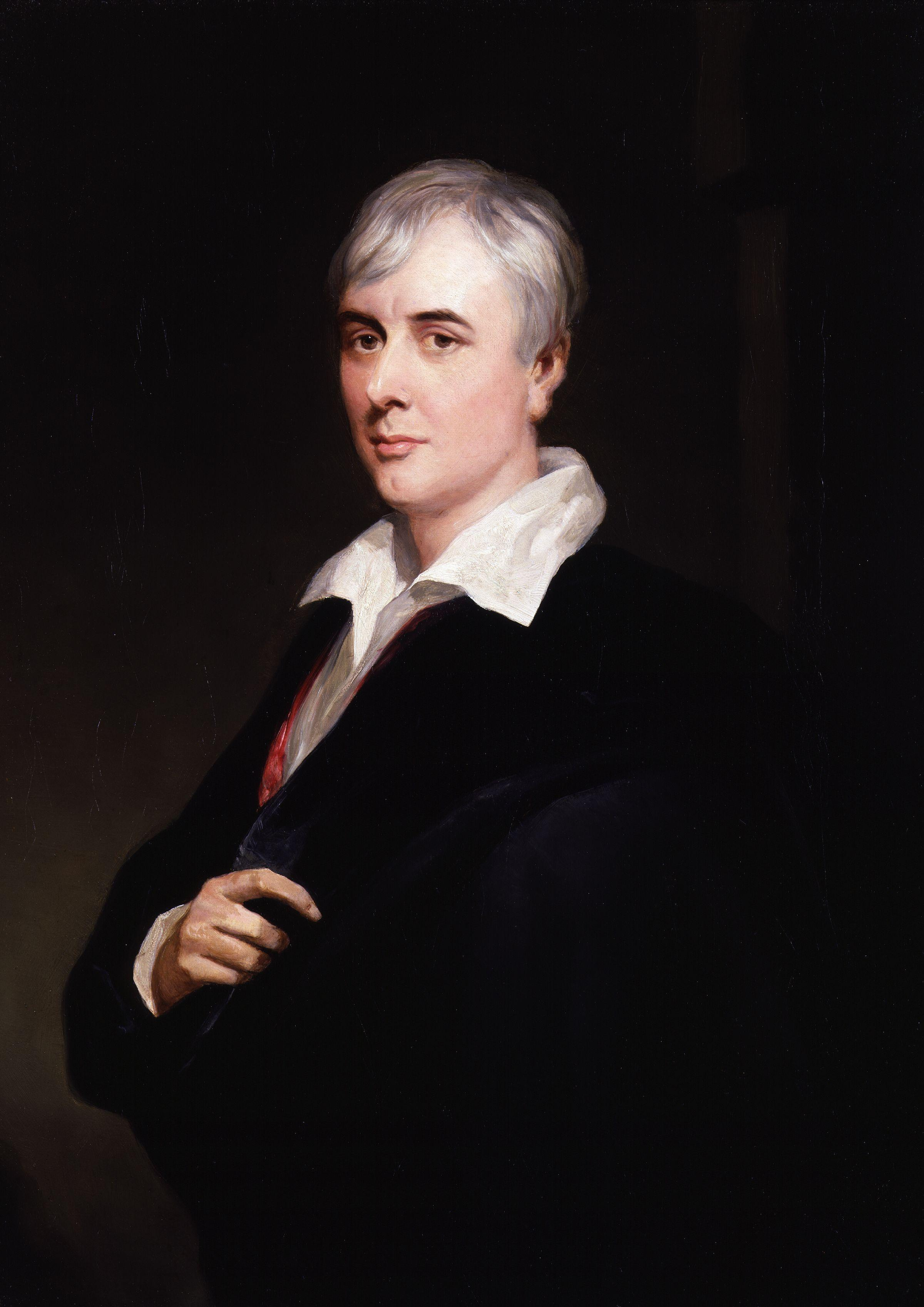
![Tales of the Wild and the Wonderful [1825]](/_next/image?url=https%3A%2F%2Fd3b2n8gj62qnwr.cloudfront.net%2FCOVERS%2Fgutenberg_covers75k%2Febook-65597.png&w=3840&q=75)