Romano Lavo-Lil: Word Book of the Romany; Or, English Gypsy Language: With Specimens of Gypsy Poetry, and an Account of Certain Gypsyries or Places Inhabited by Them, and of Various Things Relating to Gypsy Life in England
1874
Romano Lavo-Lil: Word Book of the Romany; Or, English Gypsy Language: With Specimens of Gypsy Poetry, and an Account of Certain Gypsyries or Places Inhabited by Them, and of Various Things Relating to Gypsy Life in England
1874
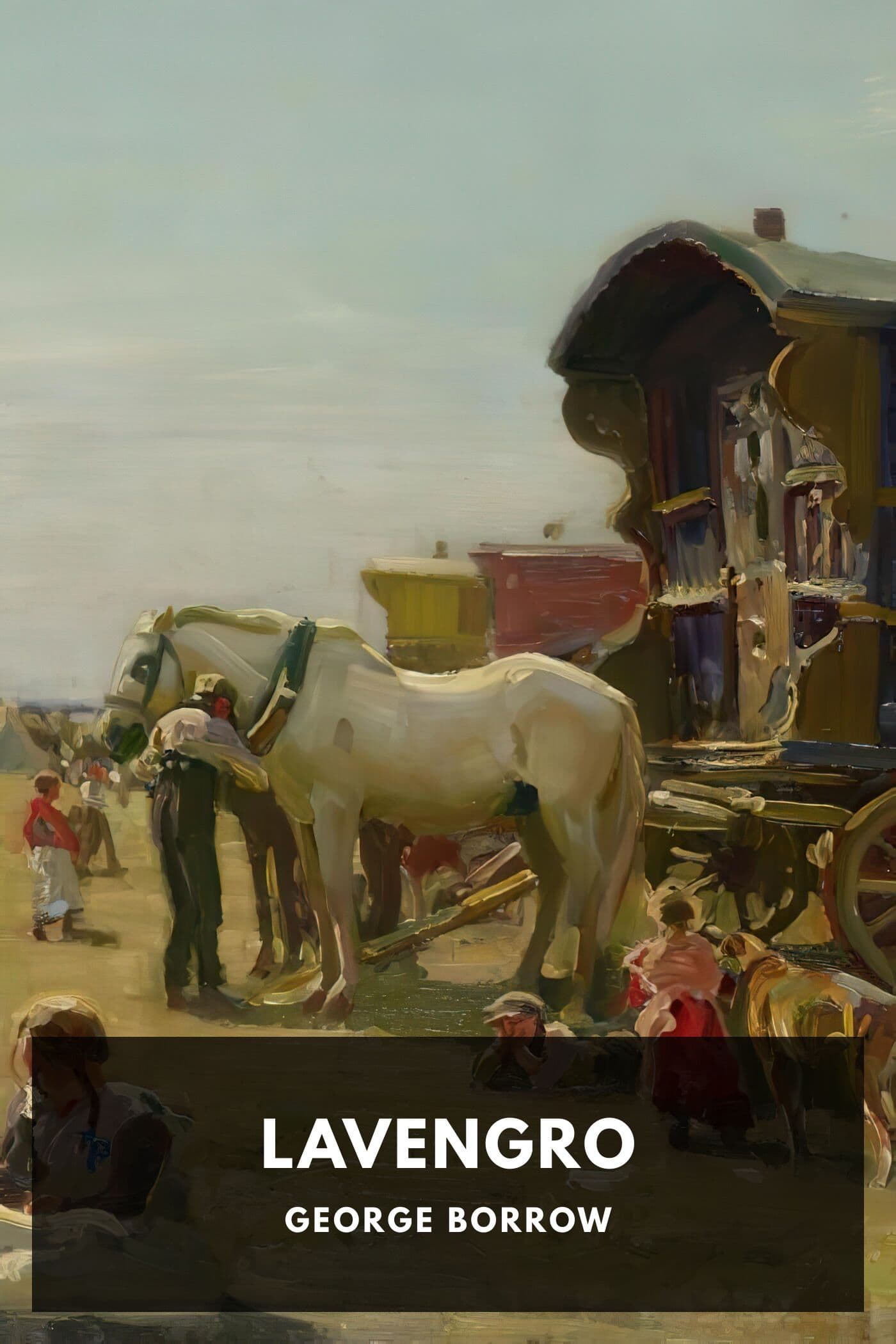
In 1874, the polyglot adventurer George Borrow turned his formidable linguistic talents toward a language English society had long dismissed: Romani, the tongue of the Gypsies who had wandered into England centuries before. The result is neither a dry dictionary nor a stuffy academic treatise, but something far more alive: a passionate defence of a vanishing people and their fractured, beautiful tongue. Borrow interviewed Romani families across the English countryside, recording their words, their customs, their songs. He traces Romani's Indian origins, catalogues its borrowed melodies from Greek, Hungarian, and Persian, and marvels at how a displaced people carried their language across continents. The book includes actual Gypsy poetry, the lilt and fire of verses never meant for print. Borrow writes not as an outsider peering in, but as someone who loved these nomads, who understood that to preserve their words was to preserve their souls. For anyone fascinated by hidden England, dying languages, or the romancing of the road, this remains an extraordinary artifact.
Editions
Link to this book
Add a free, dofollow link to Lex on your blog, forum, syllabus, or reading list.

<a href="https://lex-books.com/book/romano-lavo-lil-word-book-of-the-romany-or-english-gypsy-language-with-specimens-6e17106b-6069-4839-8e3f-c836647967b1"><img src="https://lex-books.com/badges/read-on-lex.svg" alt="Read Romano Lavo-Lil: Word Book of the Romany; Or, English Gypsy Language: With Specimens of Gypsy Poetry, and an Account of Certain Gypsyries or Places Inhabited by Them, and of Various Things Relating to Gypsy Life in England by George Borrow free on Lex" width="160" height="40"></a>[](https://lex-books.com/book/romano-lavo-lil-word-book-of-the-romany-or-english-gypsy-language-with-specimens-6e17106b-6069-4839-8e3f-c836647967b1)[url=https://lex-books.com/book/romano-lavo-lil-word-book-of-the-romany-or-english-gypsy-language-with-specimens-6e17106b-6069-4839-8e3f-c836647967b1][img]https://lex-books.com/badges/read-on-lex.svg[/img][/url]Read Romano Lavo-Lil: Word Book of the Romany; Or, English Gypsy Language: With Specimens of Gypsy Poetry, and an Account of Certain Gypsyries or Places Inhabited by Them, and of Various Things Relating to Gypsy Life in England by George Borrow free on Lex: https://lex-books.com/book/romano-lavo-lil-word-book-of-the-romany-or-english-gypsy-language-with-specimens-6e17106b-6069-4839-8e3f-c836647967b1Cite this book
Reading this edition for a paper or guide? Copy a citation.
Borrow, George. Romano Lavo-Lil: Word Book of the Romany; Or, English Gypsy Language: With Specimens of Gypsy Poetry, and an Account of Certain Gypsyries or Places Inhabited by Them, and of Various Things Relating to Gypsy Life in England. Lex, lex-books.com/book/romano-lavo-lil-word-book-of-the-romany-or-english-gypsy-language-with-specimens-6e17106b-6069-4839-8e3f-c836647967b1.Borrow, G. (1874). Romano Lavo-Lil: Word Book of the Romany; Or, English Gypsy Language: With Specimens of Gypsy Poetry, and an Account of Certain Gypsyries or Places Inhabited by Them, and of Various Things Relating to Gypsy Life in England. Lex. https://lex-books.com/book/romano-lavo-lil-word-book-of-the-romany-or-english-gypsy-language-with-specimens-6e17106b-6069-4839-8e3f-c836647967b1Borrow, George. Romano Lavo-Lil: Word Book of the Romany; Or, English Gypsy Language: With Specimens of Gypsy Poetry, and an Account of Certain Gypsyries or Places Inhabited by Them, and of Various Things Relating to Gypsy Life in England. Lex. https://lex-books.com/book/romano-lavo-lil-word-book-of-the-romany-or-english-gypsy-language-with-specimens-6e17106b-6069-4839-8e3f-c836647967b1.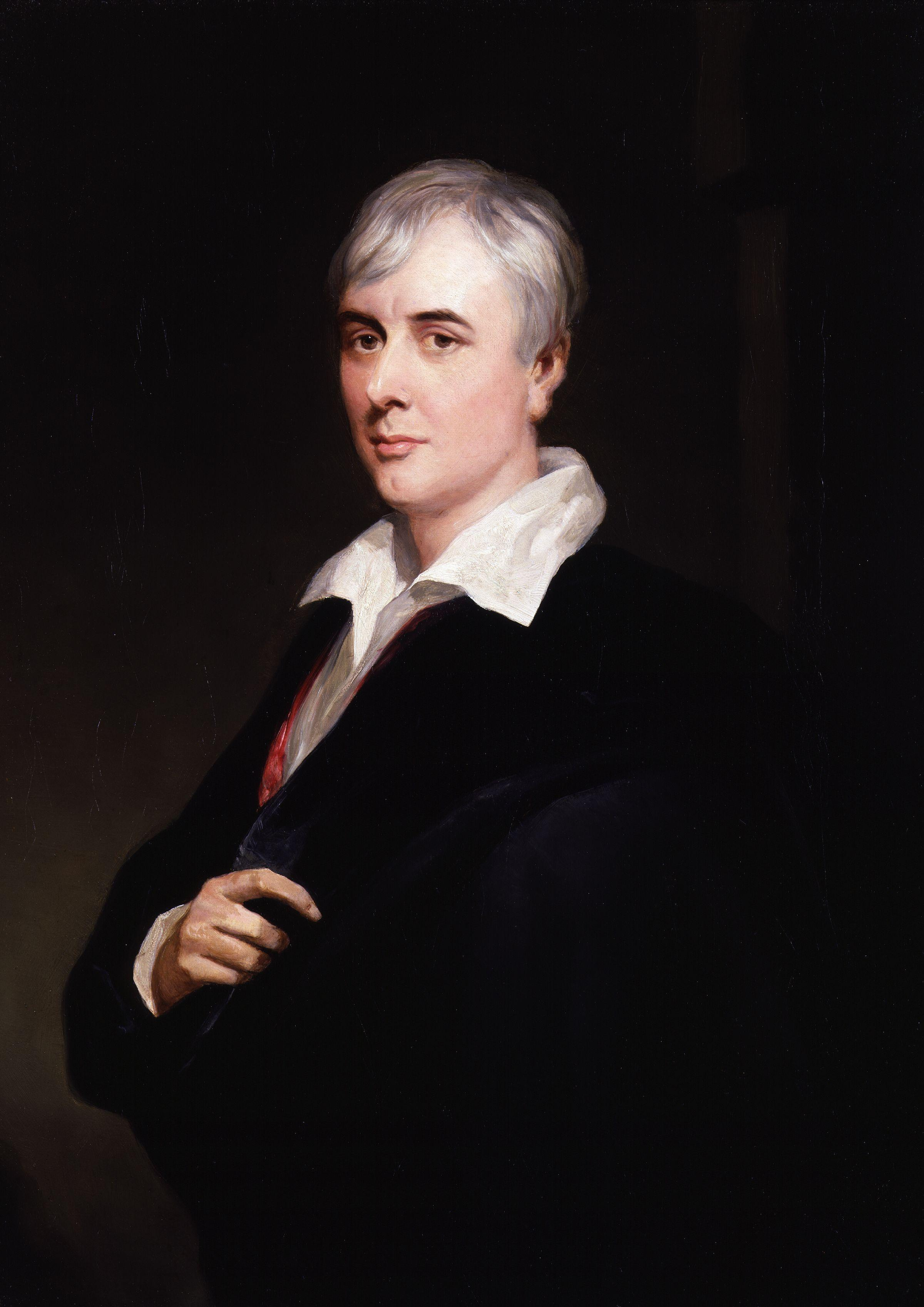
![Tales of the Wild and the Wonderful [1825]](/_next/image?url=https%3A%2F%2Fd3b2n8gj62qnwr.cloudfront.net%2FCOVERS%2Fgutenberg_covers75k%2Febook-65597.png&w=3840&q=75)