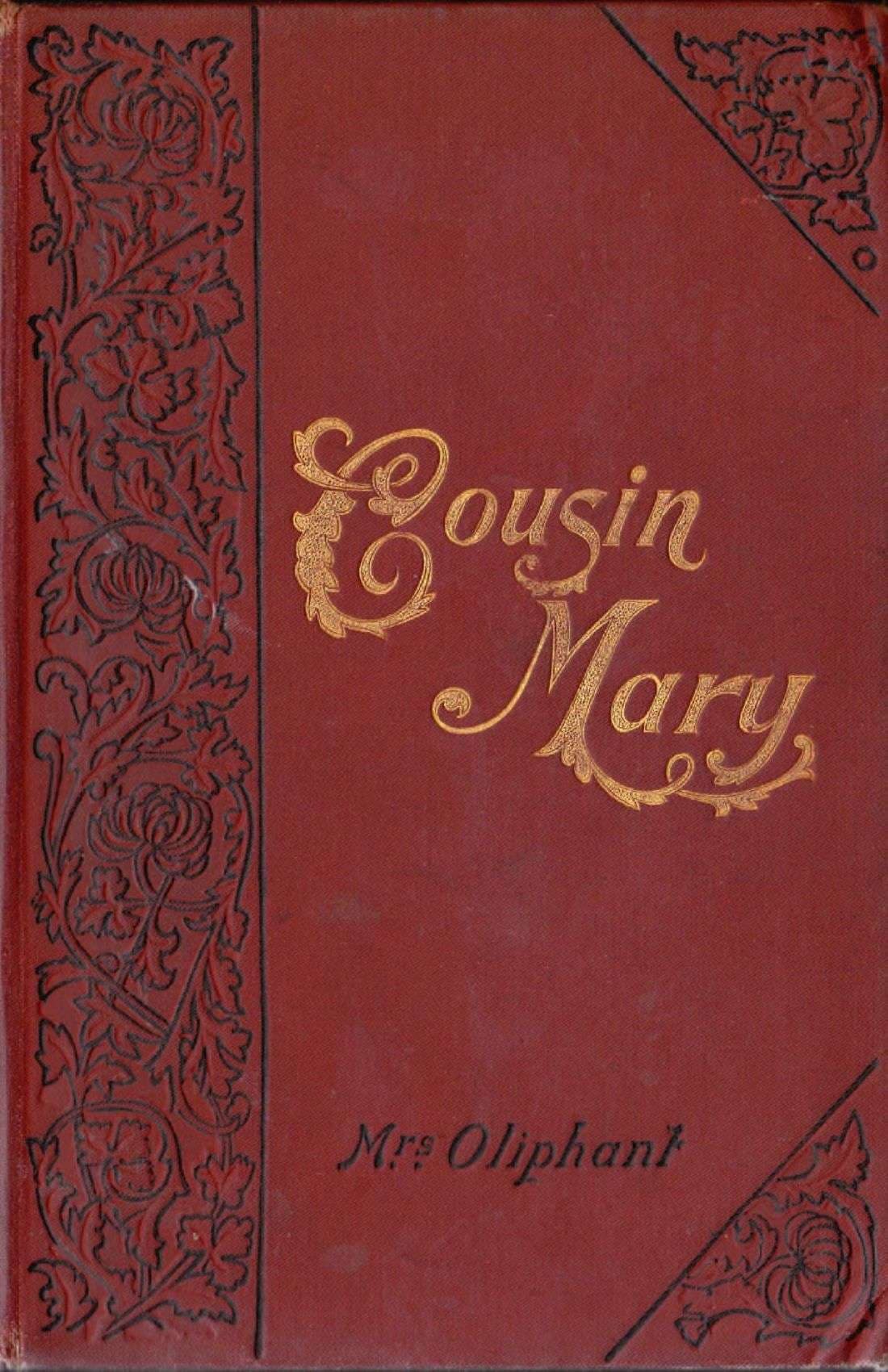
Lady Car: The Sequel of a Life
1889
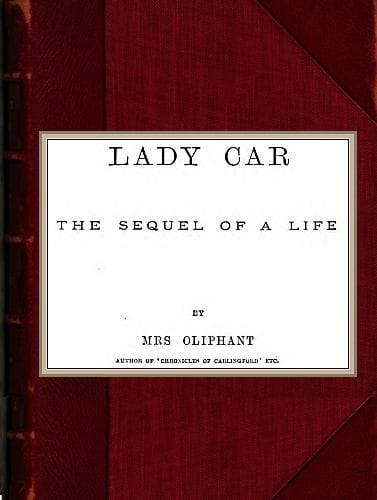
She survived her first marriage. That was supposed to be the end of the story. Lady Caroline Beaufort escaped a brutal union to marry Edward Beaufort, her one true love. Any novel would end there. But Mrs. Oliphant asks: what happens after the happily ever after? The answer is neither fairy tale nor tragedy, but something far more unsettling. Lady Car has her freedom, her children, her second chance. Yet the ghosts of her past live on in her 'black-browed' children, in the memories she cannot outrun, in her husband's blissful ignorance of the demons that circle her. Edward loves her completely, yet somehow fails to see her. The novel quietly dismantle the Victorian fantasy that marriage solves everything for women. Oliphant writes with psychological precision about guilt, relief, and the strange grief of surviving. This is a novel about what it costs to build a new life on the ruins of an old one, and whether freedom feels like freedom at all. Its radical honesty about the limits of romantic happiness scandalized some readers and thrilled others. For anyone who suspected that 'living happily ever after' might be the hardest story to live.
Editions
Link to this book
Add a free, dofollow link to Lex on your blog, forum, syllabus, or reading list.

<a href="https://lex-books.com/book/lady-car-the-sequel-of-a-life-389fb0ab-a865-40f9-a060-b6a32b7cb559"><img src="https://lex-books.com/badges/read-on-lex.svg" alt="Read Lady Car: The Sequel of a Life by Mrs. Oliphant free on Lex" width="160" height="40"></a>[](https://lex-books.com/book/lady-car-the-sequel-of-a-life-389fb0ab-a865-40f9-a060-b6a32b7cb559)[url=https://lex-books.com/book/lady-car-the-sequel-of-a-life-389fb0ab-a865-40f9-a060-b6a32b7cb559][img]https://lex-books.com/badges/read-on-lex.svg[/img][/url]Read Lady Car: The Sequel of a Life by Mrs. Oliphant free on Lex: https://lex-books.com/book/lady-car-the-sequel-of-a-life-389fb0ab-a865-40f9-a060-b6a32b7cb559Cite this book
Reading this edition for a paper or guide? Copy a citation.
Oliphant, Mrs.. Lady Car: The Sequel of a Life. Lex, lex-books.com/book/lady-car-the-sequel-of-a-life-389fb0ab-a865-40f9-a060-b6a32b7cb559.Oliphant, M. (1889). Lady Car: The Sequel of a Life. Lex. https://lex-books.com/book/lady-car-the-sequel-of-a-life-389fb0ab-a865-40f9-a060-b6a32b7cb559Oliphant, Mrs.. Lady Car: The Sequel of a Life. Lex. https://lex-books.com/book/lady-car-the-sequel-of-a-life-389fb0ab-a865-40f9-a060-b6a32b7cb559.