L'iliade
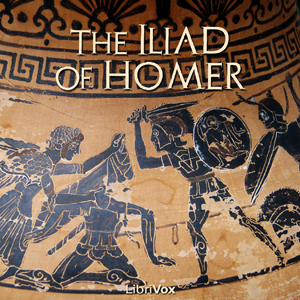
The Iliad opens with a single command to the goddess: sing of the rage of Achilles. That rage, sparked when Agamemnon steals the warrior's war prize Briseis, becomes the engine of catastrophe. Achilles withdraws from battle, and the Trojans surge forward under Hector's leadership. The Greeks bleed. Their ships burn. Only when his beloved Patroclus falls to Hector does Achilles return, and his vengeance is absolute. He kills Hector, drags his body behind a chariot, and only the intervention of the gods allows Priam to ransom his son's broken form. This is not a poem about glory. It is about what war costs: the bodies piled on the plain, the women who become prizes, the fathers who bury sons. Homer does not flinch. The gods watch and scheme and intervene, but they cannot spare mortals from their choices or their deaths. The Iliad endures because it understands that heroism and horror are inseparable, that honor can destroy as surely as cowardice, and that grief is the only inheritance left for those who survive.