John Brown
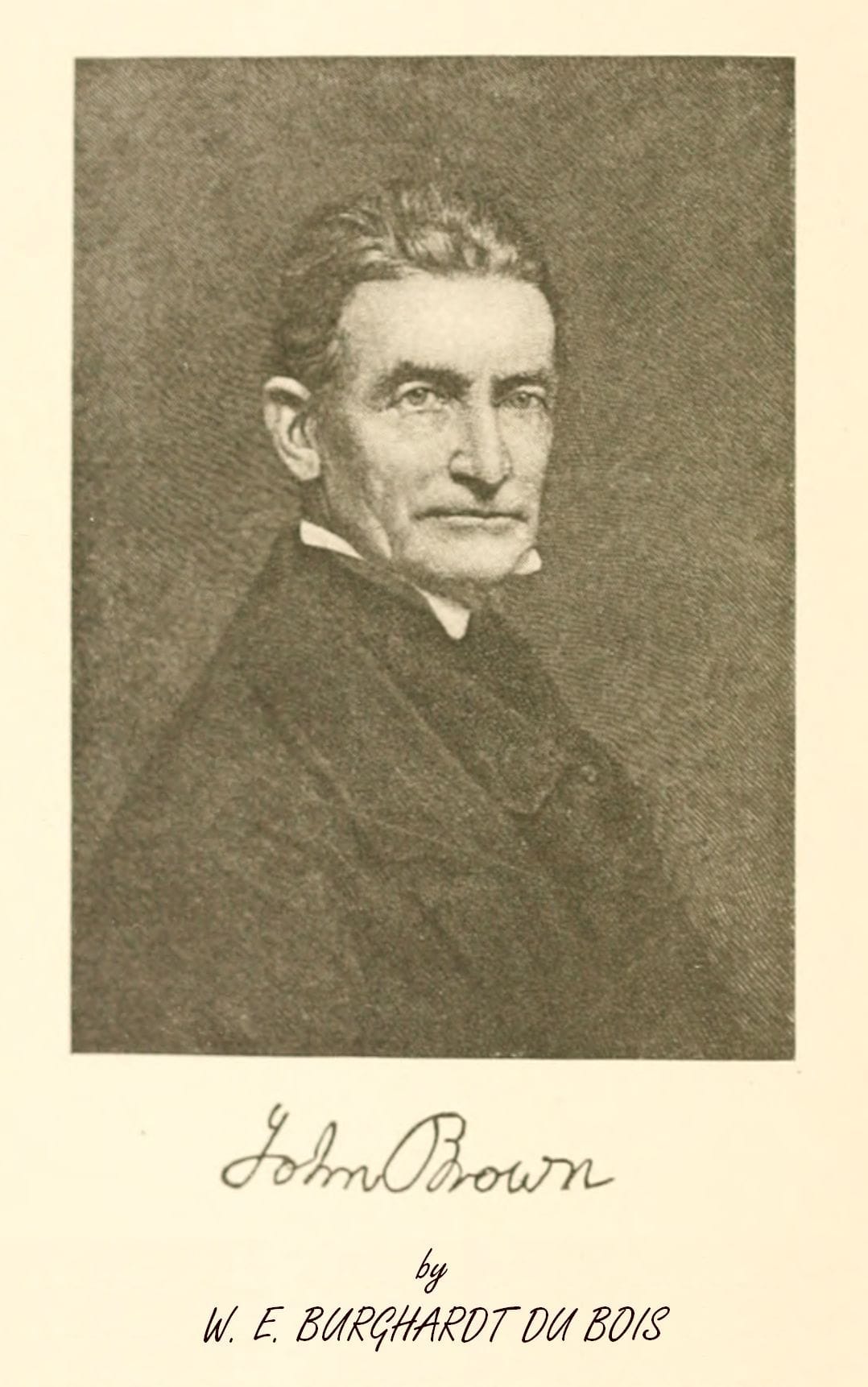
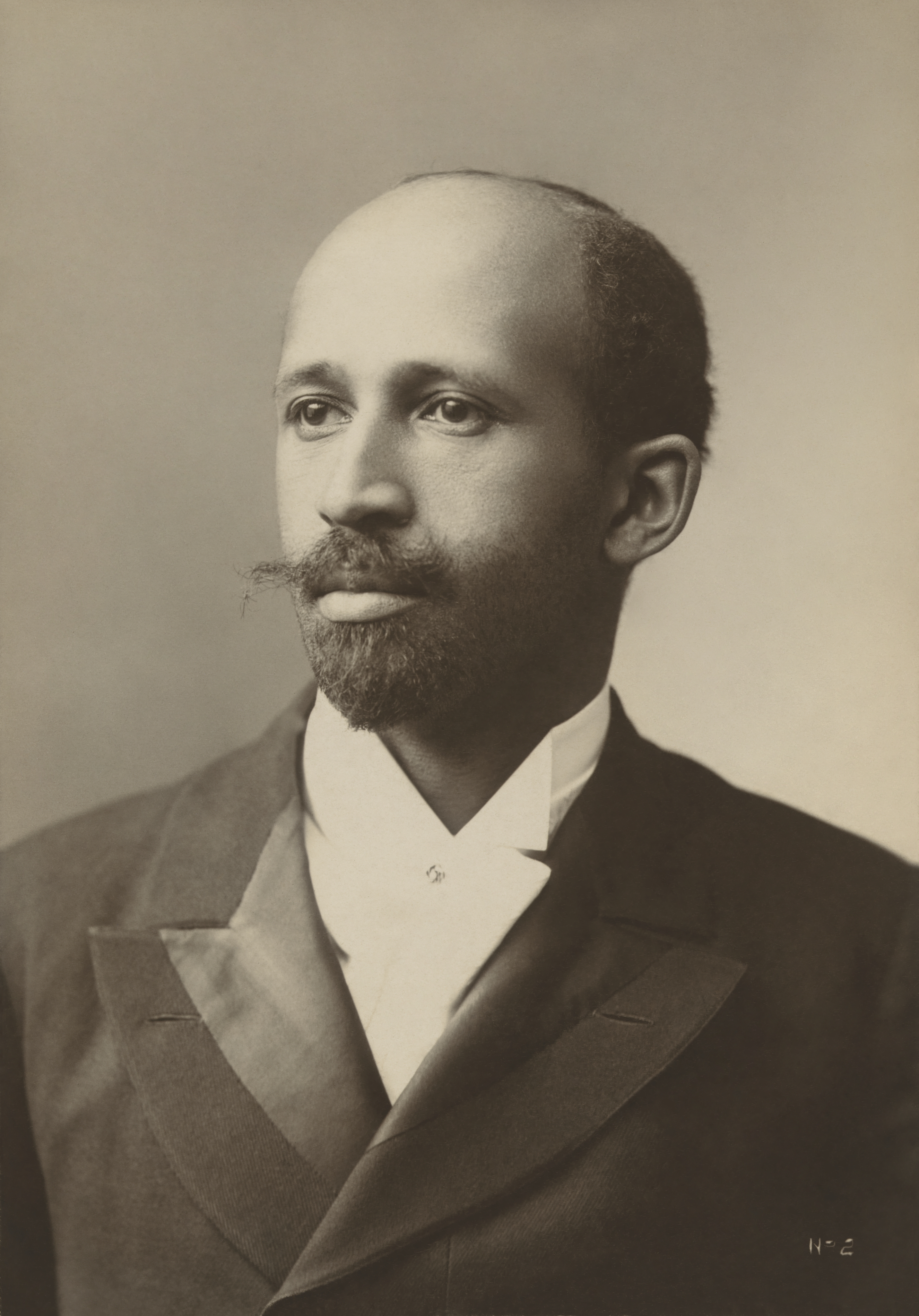
In 1909, W. E. B. Du Bois, the brilliant sociologist and future co-founder of the NAACP, turned his formidable intellect to a white abolitionist. The result is not conventional biography but something far more radical: a political testament. Du Bois traces John Brown from his Christian childhood through failed businesses to armed revolution against slavery, painting him as prophet and martyr whose lifelong crusade was ignited by witnessing a white overseer brutalize an enslaved boy. Yet what makes this book electric is less Brown's story than Du Bois's purpose in telling it. Written as Du Bois moved from academia toward lifelong activism, this biography argues that violent resistance against injustice can be morally righteous, that white allies who sacrifice everything deserve remembrance, and that the fight for Black freedom demands radical commitment from all who claim moral seriousness. It is Du Bois using Brown's legend to forge a politics, to demand more from himself and his readers, to insist that the century's end demands new tactics. A landmark work of intellectual history and a window into the mind that would shape the civil rights movement.
Editions
X-Ray
“The price of repression is greater than the cost of liberty. The degradation of men costs something both to the degraded and those who degrade.””
— W. E. B. Du Bois
“So Kansas was free. In vain did the sullen Senate in Washington fume and threaten and keep the young state knocking for admission; the game had been played and lost and Kansas was free. Free because the slave barons played for an imperial stake in defiance of modern humanity and economic development. Free because strong men had suffered and fought not against slavery but against slaves in Kansas. Above all, free because one man hated slavery and on a terrible night rode down with his sons among the shadows of the Swamp of the Swan”
— W. E. B. Du Bois
“What would be the cost of liberty? What would be the cost of giving the great stocks of mankind every reasonable help and incentive to self-development”
— W. E. B. Du Bois
“Four things make life worthy to most men: to move, to know, to love, to aspire.””
— W. E. B. Du Bois
“Was John Brown simply an episode, or was he an eternal truth? And if a truth, how speaks that truth today?””
— W. E. B. Du Bois
“You had better”
— W. E. B. Du Bois
“John Brown taught us that the cheapest price to pay for liberty is its cost to-day.””
— W. E. B. Du Bois
“We have here a wonderful industrial machine, but a machine quickly rather than carefully built, formed of forcing rather than of growth, involving sinful and unnecessary expense. Better smaller production and more equitable distribution; better fewer miles of railway and more honor, truth, and liberty; better fewer millionaires and more contentment””
— W. E. B. Du Bois
“a man whose leadership lay not in his office, wealth or influence, but in the white flame of his utter devotion to an ideal.””
— W. E. B. Du Bois
Link to this book
Add a free, dofollow link to Lex on your blog, forum, syllabus, or reading list.

<a href="https://lex-books.com/book/john-brown-e90660fa-67fd-450b-ae8e-4718d3799174"><img src="https://lex-books.com/badges/read-on-lex.svg" alt="Read John Brown by W. E. B. Du Bois free on Lex" width="160" height="40"></a>[](https://lex-books.com/book/john-brown-e90660fa-67fd-450b-ae8e-4718d3799174)[url=https://lex-books.com/book/john-brown-e90660fa-67fd-450b-ae8e-4718d3799174][img]https://lex-books.com/badges/read-on-lex.svg[/img][/url]Read John Brown by W. E. B. Du Bois free on Lex: https://lex-books.com/book/john-brown-e90660fa-67fd-450b-ae8e-4718d3799174Cite this book
Reading this edition for a paper or guide? Copy a citation.
Bois, W. E. B. Du. John Brown. Lex, lex-books.com/book/john-brown-e90660fa-67fd-450b-ae8e-4718d3799174.Bois, W. E. B. D. (n.d.). John Brown. Lex. https://lex-books.com/book/john-brown-e90660fa-67fd-450b-ae8e-4718d3799174Bois, W. E. B. Du. John Brown. Lex. https://lex-books.com/book/john-brown-e90660fa-67fd-450b-ae8e-4718d3799174.