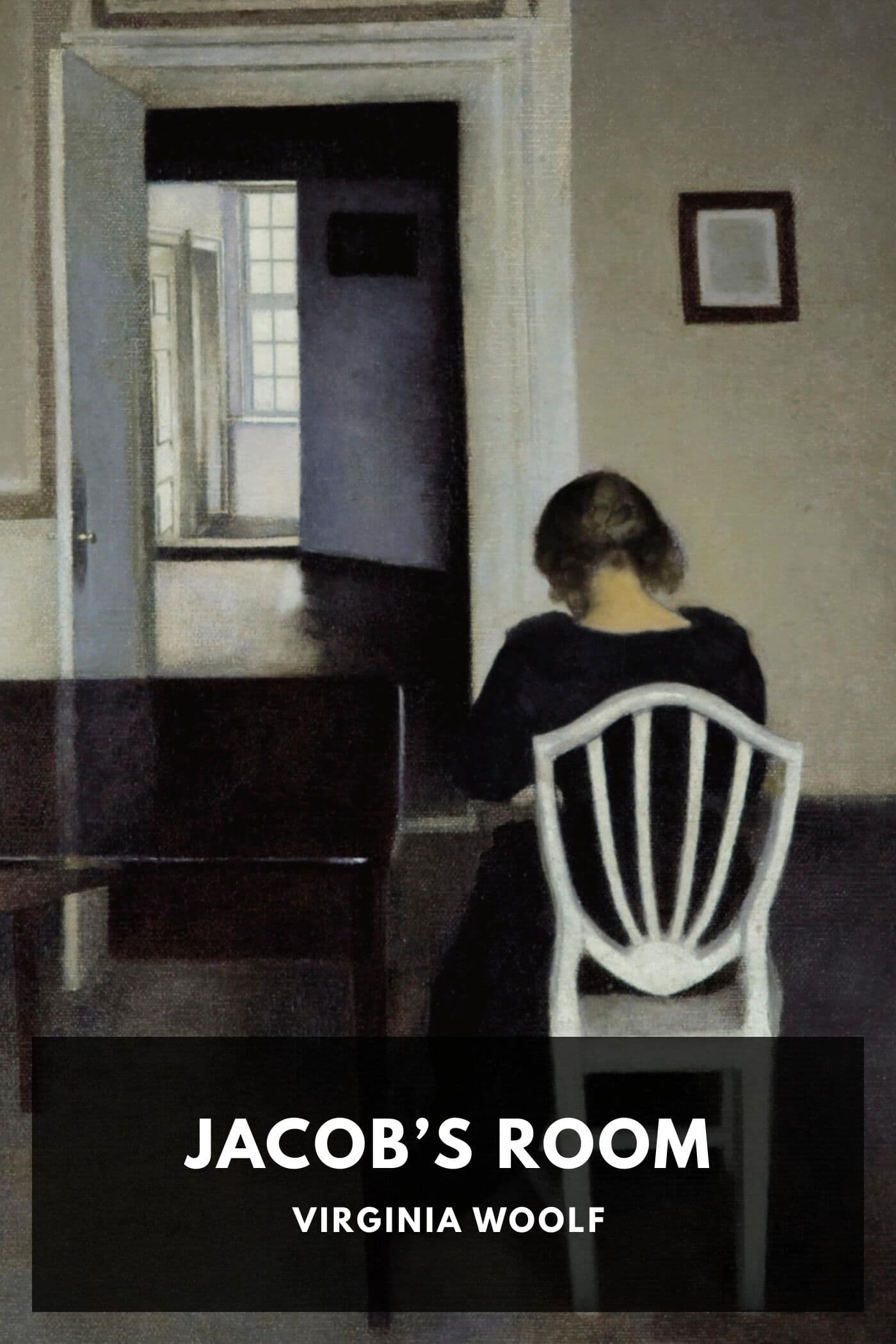
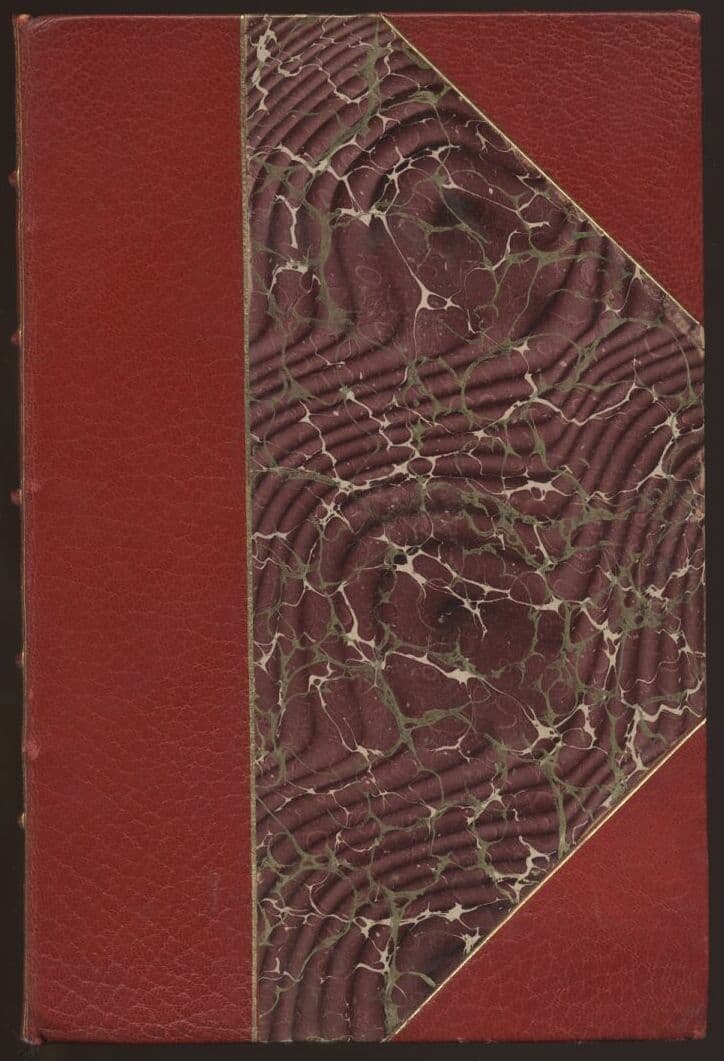
Jacob's Room (version 2)
Jacob Flanders exists only in the spaces between. Born into an English coastal town, raised by his mother after his father's death, educated at Cambridge where he drinks and debates and falls briefly in love, Jacob walks the streets of London, travels to Greece, and then marches off to war. He dies in 1917. And yet, despite filling nearly two hundred pages with his name, we never quite grasp him. We know him through his mother's letters, his roommates' memories, a woman's recollection of an afternoon in his rooms. We see him in the objects he leaves behind: a shoe, a pipe, a room swept bare. This is Virginia Woolf's radical proposition: that a life cannot be told, only traced. The novel fragments and shifts, refuses to settle into biography, lets voices overlap and fade. What emerges is not Jacob himself but the ache of his absence, the impossible task of knowing another person. The novel that laid the groundwork for Mrs Dalloway and To the Lighthouse, Jacob's Room is Woolf at her most daring, most elegiac, most quietly devastating. It is a portrait of a young man and, through him, a generation carried off by war, leaving only rooms and echoes.
Editions


Read by
Group Narration
4 readers
Jesse Bordwin, Yelena, Tina Isaacs, Deon Gines
Link to this book
Add a free, dofollow link to Lex on your blog, forum, syllabus, or reading list.

<a href="https://lex-books.com/book/jacob-s-room-version-2-5b0173de-e047-4641-8f07-536e5c3176fd"><img src="https://lex-books.com/badges/read-on-lex.svg" alt="Read Jacob's Room (version 2) by Virginia Woolf free on Lex" width="160" height="40"></a>[](https://lex-books.com/book/jacob-s-room-version-2-5b0173de-e047-4641-8f07-536e5c3176fd)[url=https://lex-books.com/book/jacob-s-room-version-2-5b0173de-e047-4641-8f07-536e5c3176fd][img]https://lex-books.com/badges/read-on-lex.svg[/img][/url]Read Jacob's Room (version 2) by Virginia Woolf free on Lex: https://lex-books.com/book/jacob-s-room-version-2-5b0173de-e047-4641-8f07-536e5c3176fdCite this book
Reading this edition for a paper or guide? Copy a citation.
Woolf, Virginia. Jacob's Room (version 2). Lex, lex-books.com/book/jacob-s-room-version-2-5b0173de-e047-4641-8f07-536e5c3176fd.Woolf, V. (n.d.). Jacob's Room (version 2). Lex. https://lex-books.com/book/jacob-s-room-version-2-5b0173de-e047-4641-8f07-536e5c3176fdWoolf, Virginia. Jacob's Room (version 2). Lex. https://lex-books.com/book/jacob-s-room-version-2-5b0173de-e047-4641-8f07-536e5c3176fd.