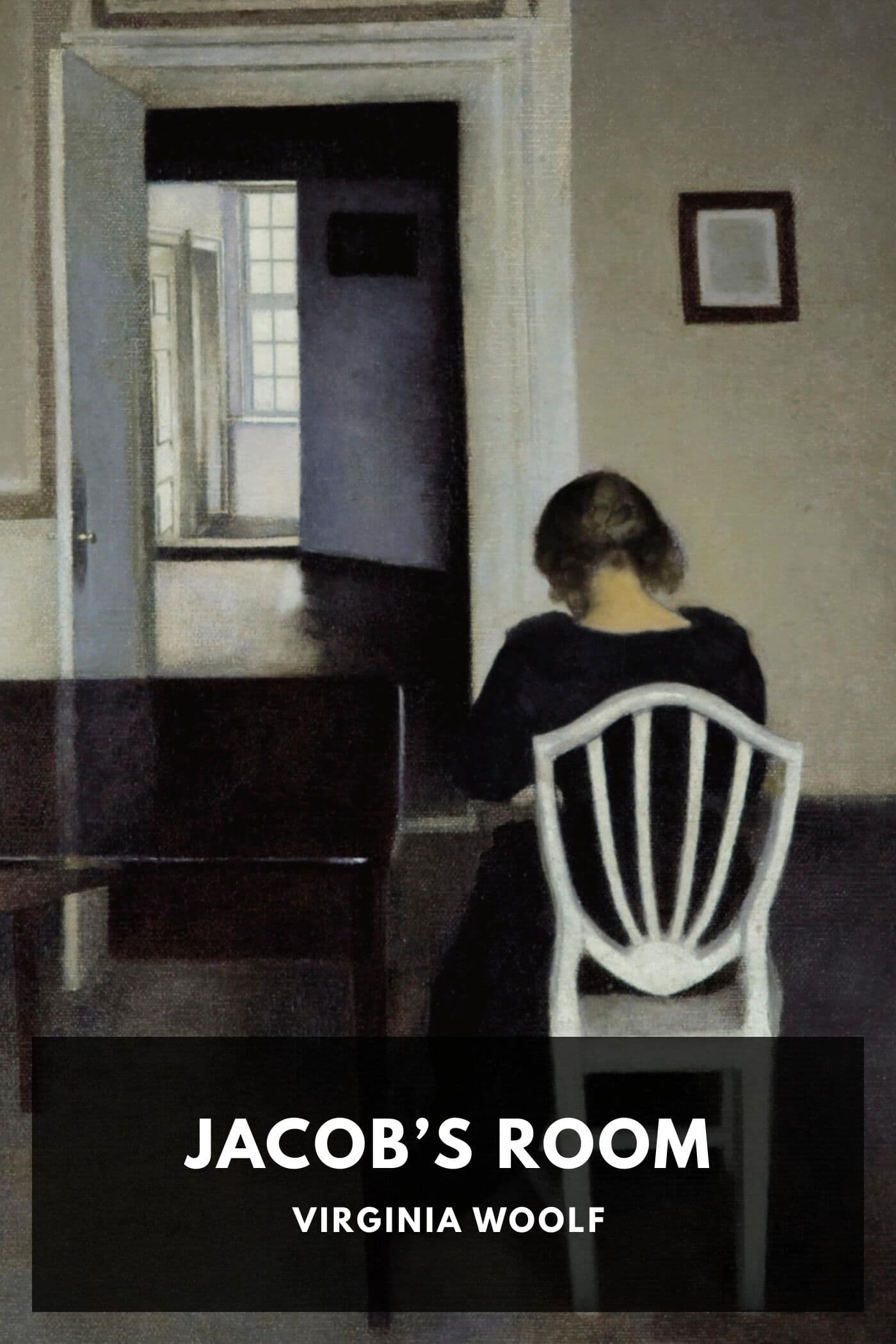
Jacob's Room
1922
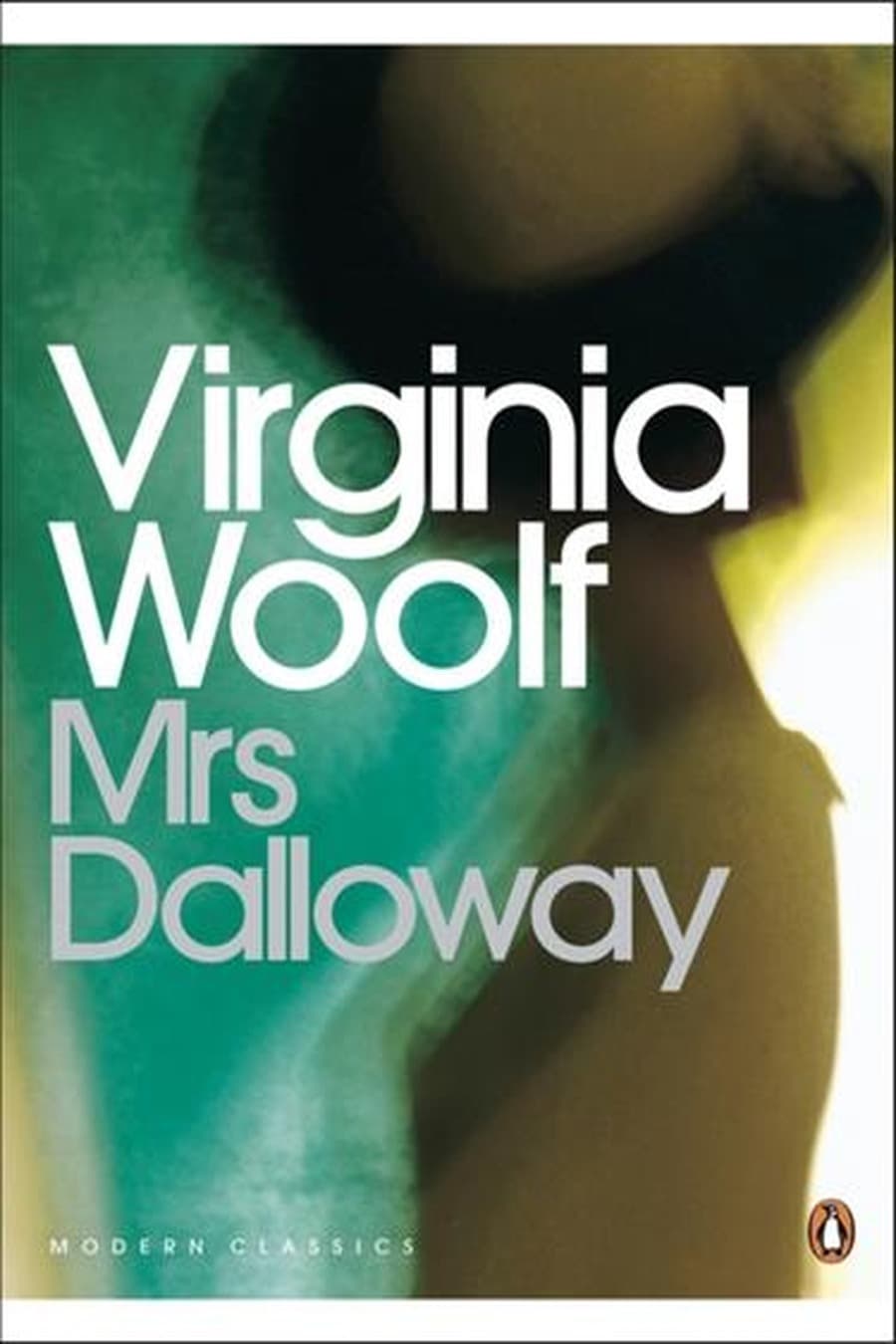
Jacob Flanders exists only in the spaces between other people's memories. We see him through his mother's desperate letters from the beach, through the hazy recollections of his Cambridge friends, through the fragmented impressions of lovers and strangers who encountered him briefly. Yet the man himself never quite coalesces into presence. This is Woolf's radical innovation: a novel built around an absence, a void where a life should be. The war that looms over the narrative isn't merely backdrop but fate, the catastrophe that transforms Jacob into pure memory. As the twentieth century dawns and the old world crumbles, Woolf asks an impossible question: can a person ever truly be known, or only glimpsed, lost in the gulf between one mind and another? This is modernist fiction at its most daring, a portrait composed entirely of shadows, an elegy for someone who was never fully there to begin with. For readers who loved Mrs. Dalloway or To the Lighthouse, this is Woolf at her most experimental and her most mournful.
Editions
X-Ray
“Melancholy were the sounds on a winter's night.””
— Virginia Woolf
“Blame it or praise it, there is no denying the wild horse in us.””
— Virginia Woolf
“I enjoy the spring more than the autumn now. One does, I think, as one gets older.””
— Virginia Woolf
“It is no use trying to sum people up.””
— Virginia Woolf
“When the body escaped mutilation, seldom did the heart go to the grave unscarred.””
— Virginia Woolf
“Every face, every shop, bedroom window, public-house, and dark square is a picture feverishly turned--in search of what? It is the same with books. What do we seek through millions of pages?””
— Virginia Woolf
“anyone who’s worth anything reads just what he likes, as the mood takes him, and with extravagant enthusiasm.””
— Virginia Woolf
“Indeed there has never been any explanation of the ebb and flow in our veins--of happiness and unhappiness.””
— Virginia Woolf
“It seems that a profound, impartial, and absolutely just opinion of our fellow-creatures is utterly unknown. Either we are men, or we are women. Either we are cold, or we are sentimental. Either we are young, or growing old. In any case life is but a procession of shadows, and God knows why it is that we embrace them so eagerly, and see them depart with such anguish, being shadows. And why, if this -- and much more than this is true -- why are we yet surprised in the window corner by a sudden vision that the young man in the chair is of all things in the world the most real, the most solid, the best known to us--why indeed? For the moment after we know nothing about him.Such is the manner of our seeing. Such the conditions of our love.””
— Virginia Woolf
Link to this book
Add a free, dofollow link to Lex on your blog, forum, syllabus, or reading list.

<a href="https://lex-books.com/book/jacob-s-room-14db4a76-153e-465f-a7e3-cae1ce72d9aa"><img src="https://lex-books.com/badges/read-on-lex.svg" alt="Read Jacob's Room by Virginia Woolf free on Lex" width="160" height="40"></a>[](https://lex-books.com/book/jacob-s-room-14db4a76-153e-465f-a7e3-cae1ce72d9aa)[url=https://lex-books.com/book/jacob-s-room-14db4a76-153e-465f-a7e3-cae1ce72d9aa][img]https://lex-books.com/badges/read-on-lex.svg[/img][/url]Read Jacob's Room by Virginia Woolf free on Lex: https://lex-books.com/book/jacob-s-room-14db4a76-153e-465f-a7e3-cae1ce72d9aaCite this book
Reading this edition for a paper or guide? Copy a citation.
Woolf, Virginia. Jacob's Room. Lex, lex-books.com/book/jacob-s-room-14db4a76-153e-465f-a7e3-cae1ce72d9aa.Woolf, V. (1922). Jacob's Room. Lex. https://lex-books.com/book/jacob-s-room-14db4a76-153e-465f-a7e3-cae1ce72d9aaWoolf, Virginia. Jacob's Room. Lex. https://lex-books.com/book/jacob-s-room-14db4a76-153e-465f-a7e3-cae1ce72d9aa.