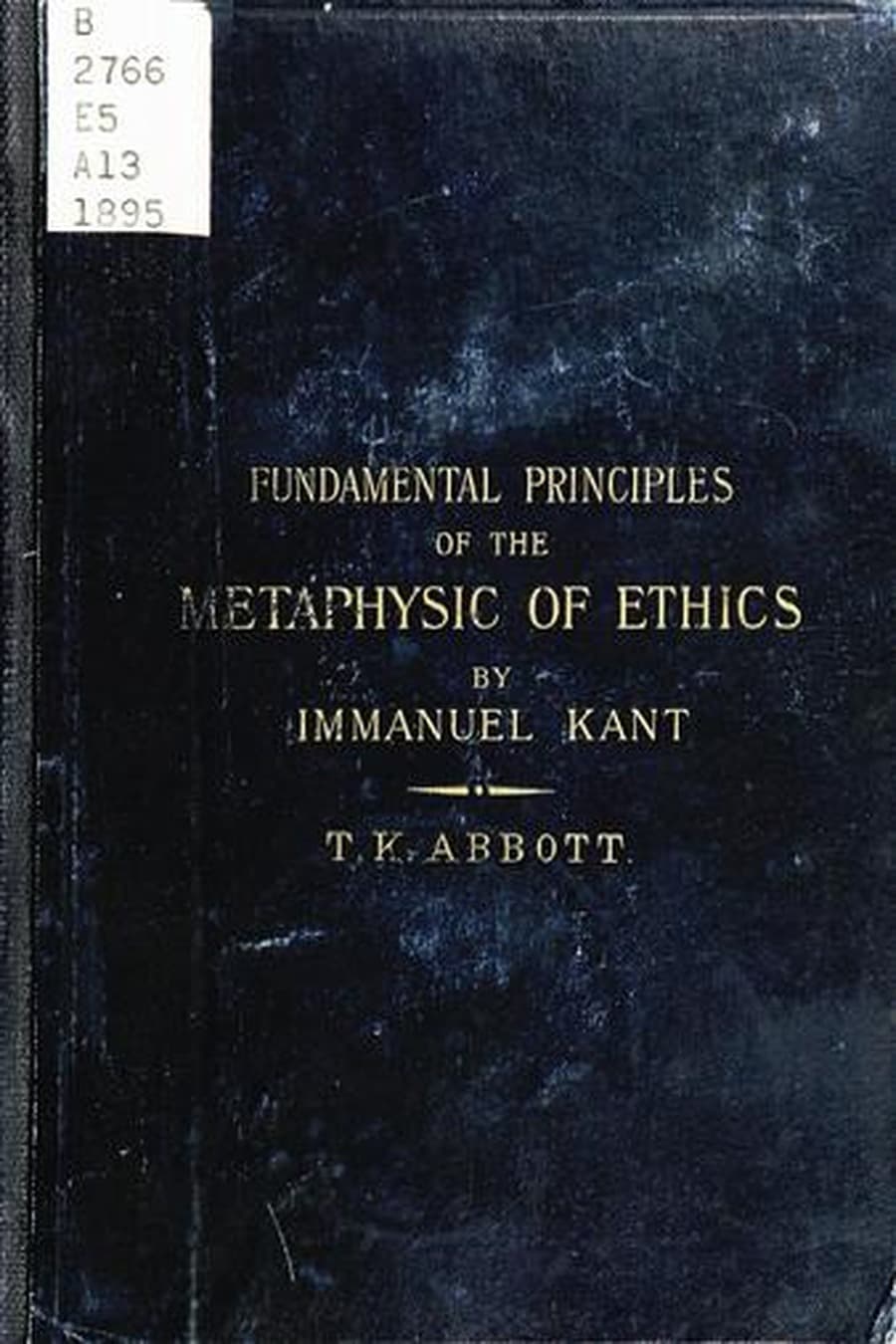
Fundamental Principles of the Metaphysic of Morals
1785
Fundamental Principles of the Metaphysic of Morals
1785
Translated by Thomas Kingsmill Abbott
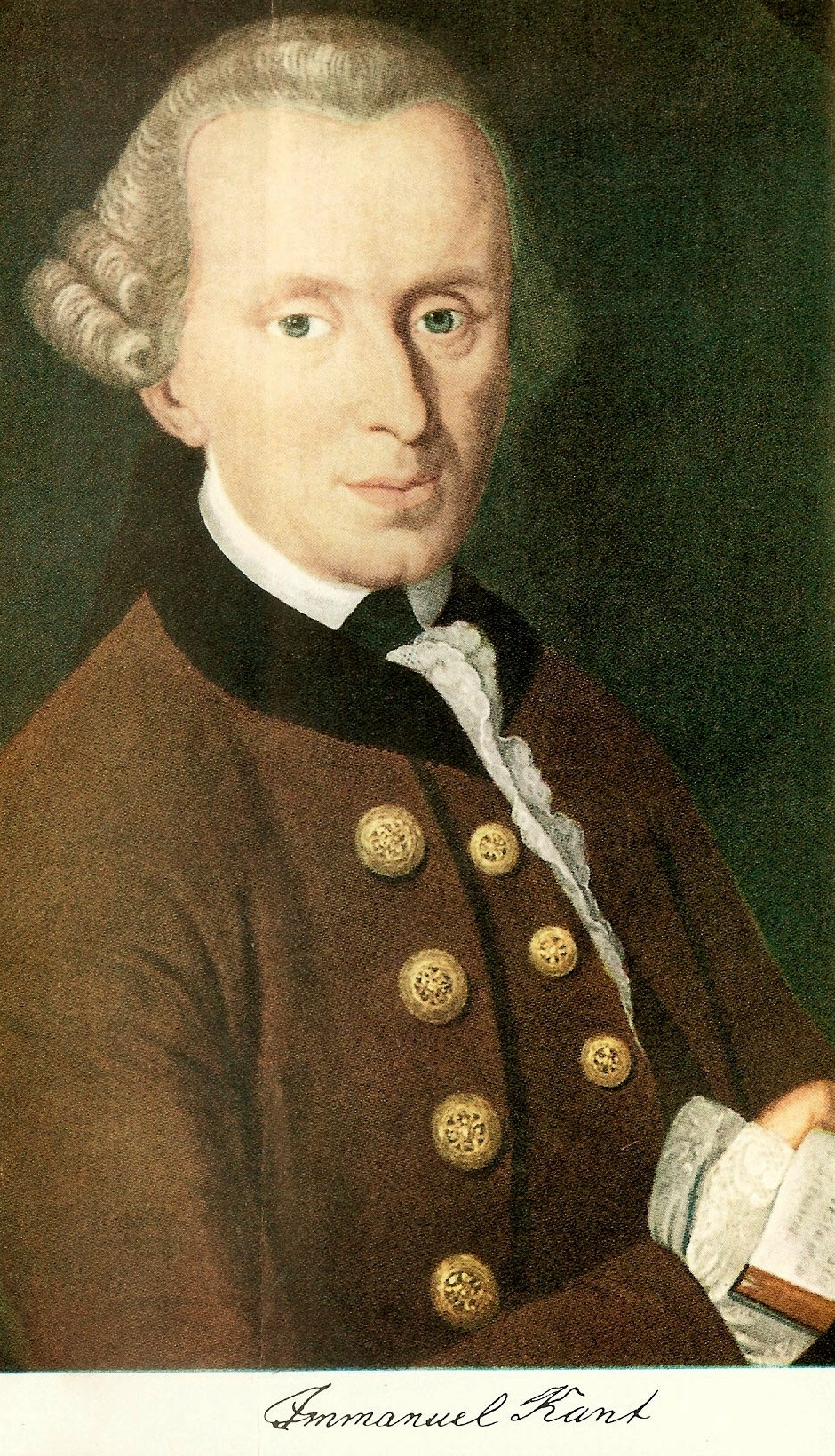
Kant's Groundwork asks a question that still haunts us: what makes an action morally right? Not the consequences. Not the intentions. Not even kindness. Kant argues that an action possesses true moral worth only when performed from duty alone, guided by the categorical imperative, a universal law that demands we act only according to principles we could will to become universal laws for everyone. This is not mere philosophy. It is a radical claim that ethical truths are as binding as mathematical ones, that moral law demands obedience not because God commands it or because we desire it, but because reason itself requires it. We must treat humanity, in ourselves and in others, never merely as a means but always as an end. Written in 1785, this slender text shattered previous ethical frameworks and birthed deontological ethics, influencing everything from legal theory to contemporary debates about human rights. It remains essential reading for anyone who has ever wondered whether morality is more than opinion.
Editions
X-Ray
“Act in such a way that you treat humanity, whether in your own person or in the person of any other, never merely as a means to an end, but always at the same time as an end.””
— Immanuel Kant
“Have the courage to use your own reason- That is the motto of enlightenment.””
— Immanuel Kant
“A good will is good not because of what it effects, or accomplishes, not because of its fitness to attain some intended end, but good just by its willing, i.e. in itself; and, considered by itself, it is to be esteemed beyond compare much higher than anything that could ever be brought about by it in favor of some inclinations, and indeed, if you will, the sum of all inclinations. Even if by some particular disfavor of fate, or by the scanty endowment of a stepmotherly nature, this will should entirely lack the capacity to carry through its purpose; if despite its greatest striving it should still accomplish nothing, and only the good will were to remain (not of course, as a mere wish, but as the summoning of all means that are within our control); then, like a jewel, it would still shine by itself, as something that has full worth in itself".””
— Immanuel Kant
“Act only according to that maxim by which you can at the same time will that it should become a universal law.””
— Immanuel Kant
“Innocence is a splendid thing, only it has the misfortune not to keep very well and to be easily misled.””
— Immanuel Kant
“Enlightenment is man's release from his self incurred tutelage.Tutelage is man's inability to make use of his understanding without direction from another. Self-incurred is this tutelage when its cause lies not in lack of reason but in lack of resolution and courage to use it without direction from another. " Have courage to use your own reason" that's the motto of enlightenment .””
— Immanuel Kant
“if adversity and hopeless grief have quite taken away the taste for life; if an unfortunate man, strong of soul and more indignant about his fate than despondent or dejected, wishes for death and yet preserves his life without loving it, not from inclination or fear but from duty, then his maxim has moral content.””
— Immanuel Kant
“Nothing can possibly be conceived in the world, or even out of it, which can be called good, without qualification, except a good will.””
— Immanuel Kant
“...[P]hysics... [is] the philosophy of nature, so far as it is based on empirical laws.””
— Immanuel Kant
Link to this book
Add a free, dofollow link to Lex on your blog, forum, syllabus, or reading list.

<a href="https://lex-books.com/book/fundamental-principles-of-the-metaphysic-of-morals-58e8dc8d-e715-41a4-ad15-6e0ee58111ff"><img src="https://lex-books.com/badges/read-on-lex.svg" alt="Read Fundamental Principles of the Metaphysic of Morals by Immanuel Kant free on Lex" width="160" height="40"></a>[](https://lex-books.com/book/fundamental-principles-of-the-metaphysic-of-morals-58e8dc8d-e715-41a4-ad15-6e0ee58111ff)[url=https://lex-books.com/book/fundamental-principles-of-the-metaphysic-of-morals-58e8dc8d-e715-41a4-ad15-6e0ee58111ff][img]https://lex-books.com/badges/read-on-lex.svg[/img][/url]Read Fundamental Principles of the Metaphysic of Morals by Immanuel Kant free on Lex: https://lex-books.com/book/fundamental-principles-of-the-metaphysic-of-morals-58e8dc8d-e715-41a4-ad15-6e0ee58111ffCite this book
Reading this edition for a paper or guide? Copy a citation.
Kant, Immanuel. Fundamental Principles of the Metaphysic of Morals. Lex, lex-books.com/book/fundamental-principles-of-the-metaphysic-of-morals-58e8dc8d-e715-41a4-ad15-6e0ee58111ff.Kant, I. (1785). Fundamental Principles of the Metaphysic of Morals. Lex. https://lex-books.com/book/fundamental-principles-of-the-metaphysic-of-morals-58e8dc8d-e715-41a4-ad15-6e0ee58111ffKant, Immanuel. Fundamental Principles of the Metaphysic of Morals. Lex. https://lex-books.com/book/fundamental-principles-of-the-metaphysic-of-morals-58e8dc8d-e715-41a4-ad15-6e0ee58111ff.