Egmont
1788
A tragedy set in the 16th-century Low Countries during the revolt against Spanish rule. Count Egmont, a celebrated military leader and beloved champion of the people, finds himself trapped between his public identity as a symbol of resistance and his private doubts about the escalating conflict between Protestant reformers and Catholic authorities. Goethe portrays a man who cannot look away from injustice yet struggles to act decisively against it. The citizens toast their hero, unaware of the political machinery closing around him. What follows is the devastating mathematics of heroism: a man who refuses to bend to tyranny must be broken by it. Written in 1788, the play gained explosive resonance when Beethoven composed his famous overture in 1810 during the Napoleonic Wars, transforming Goethe's drama into an anthem of resistance. The overture became an unofficial anthem of the Hungarian Revolution of 1956. For readers who crave political tragedy with the weight of history behind it, Egmont asks the question that never stops burning: what does a single life matter against the machinery of empire?
Editions
X-Ray
“Those only obtain love who seek it not.””
— Johann Wolfgang von Goethe
Link to this book
Add a free, dofollow link to Lex on your blog, forum, syllabus, or reading list.

<a href="https://lex-books.com/book/egmont-ea74964d-00c9-40ae-814f-8132e88e2ce0"><img src="https://lex-books.com/badges/read-on-lex.svg" alt="Read Egmont by Johann Wolfgang von Goethe free on Lex" width="160" height="40"></a>[](https://lex-books.com/book/egmont-ea74964d-00c9-40ae-814f-8132e88e2ce0)[url=https://lex-books.com/book/egmont-ea74964d-00c9-40ae-814f-8132e88e2ce0][img]https://lex-books.com/badges/read-on-lex.svg[/img][/url]Read Egmont by Johann Wolfgang von Goethe free on Lex: https://lex-books.com/book/egmont-ea74964d-00c9-40ae-814f-8132e88e2ce0Cite this book
Reading this edition for a paper or guide? Copy a citation.
Goethe, Johann Wolfgang von. Egmont. Lex, lex-books.com/book/egmont-ea74964d-00c9-40ae-814f-8132e88e2ce0.Goethe, J. W. V. (1788). Egmont. Lex. https://lex-books.com/book/egmont-ea74964d-00c9-40ae-814f-8132e88e2ce0Goethe, Johann Wolfgang von. Egmont. Lex. https://lex-books.com/book/egmont-ea74964d-00c9-40ae-814f-8132e88e2ce0.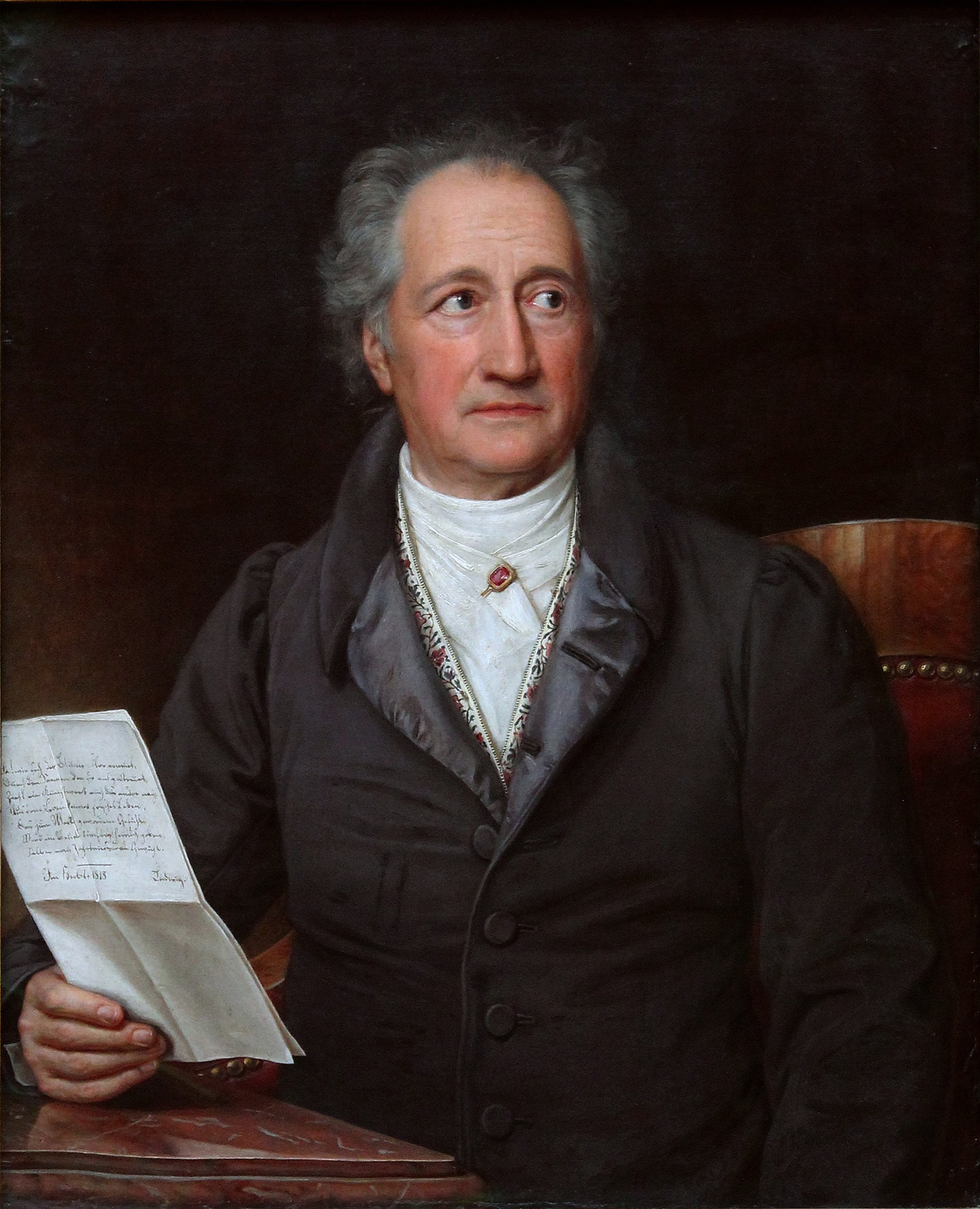
![Faust [part 1]. Translated into English in the Original Metres](/_next/image?url=https%3A%2F%2Fd3b2n8gj62qnwr.cloudfront.net%2FCOVERS%2Fgutenberg_covers75k%2Febook-14591.png&w=3840&q=75)