Autobiography: Truth and Fiction Relating to My Life
1811
Autobiography: Truth and Fiction Relating to My Life
1811
Translated by John Oxenford
Goethe called it "poetry and truth," and from the first pages he overturns the autobiography genre entirely. This is not confession or chronicle but something far more daring: a writer reconstructing his own becoming, fully aware that memory reshapes what it touches. The young Goethe enters the stage in 1749 Frankfurt, a child of privilege surrounded by books, theatrical puppet shows, and a mother who read aloud with uncommon passion. We follow him through childhood rebellions, early translations of French drama, legal studies that bored him, and the stirrings of the genius who would become Germany's greatest literary mind. What elevates this work beyond memoir is Goethe's willingness to interrogate his own recall. He questions what he truly experienced versus what he later invented, acknowledging that the self presented to readers is itself a creation. Two centuries later, this remains the most intelligent and honest account of how a writer is made.
Editions
X-Ray
“There occurs the beautiful feeling that only humanity together is the true human being, and that the individual can be cheerful and happy only if he has the courage to feel himself in the Whole.””
— Johann Wolfgang von Goethe
“Unsere Wünsche sind die Vorboten der Fähigkeiten, die in uns liegen,Vorboten desjenigen, was wir zu leisten imstande sein werden.””
— Johann Wolfgang von Goethe
Link to this book
Add a free, dofollow link to Lex on your blog, forum, syllabus, or reading list.

<a href="https://lex-books.com/book/autobiography-truth-and-fiction-relating-to-my-life-cafe9548-10f4-495b-a8e0-d1113c7114c8"><img src="https://lex-books.com/badges/read-on-lex.svg" alt="Read Autobiography: Truth and Fiction Relating to My Life by Johann Wolfgang von Goethe free on Lex" width="160" height="40"></a>[](https://lex-books.com/book/autobiography-truth-and-fiction-relating-to-my-life-cafe9548-10f4-495b-a8e0-d1113c7114c8)[url=https://lex-books.com/book/autobiography-truth-and-fiction-relating-to-my-life-cafe9548-10f4-495b-a8e0-d1113c7114c8][img]https://lex-books.com/badges/read-on-lex.svg[/img][/url]Read Autobiography: Truth and Fiction Relating to My Life by Johann Wolfgang von Goethe free on Lex: https://lex-books.com/book/autobiography-truth-and-fiction-relating-to-my-life-cafe9548-10f4-495b-a8e0-d1113c7114c8Cite this book
Reading this edition for a paper or guide? Copy a citation.
Goethe, Johann Wolfgang von. Autobiography: Truth and Fiction Relating to My Life. Lex, lex-books.com/book/autobiography-truth-and-fiction-relating-to-my-life-cafe9548-10f4-495b-a8e0-d1113c7114c8.Goethe, J. W. V. (1811). Autobiography: Truth and Fiction Relating to My Life. Lex. https://lex-books.com/book/autobiography-truth-and-fiction-relating-to-my-life-cafe9548-10f4-495b-a8e0-d1113c7114c8Goethe, Johann Wolfgang von. Autobiography: Truth and Fiction Relating to My Life. Lex. https://lex-books.com/book/autobiography-truth-and-fiction-relating-to-my-life-cafe9548-10f4-495b-a8e0-d1113c7114c8.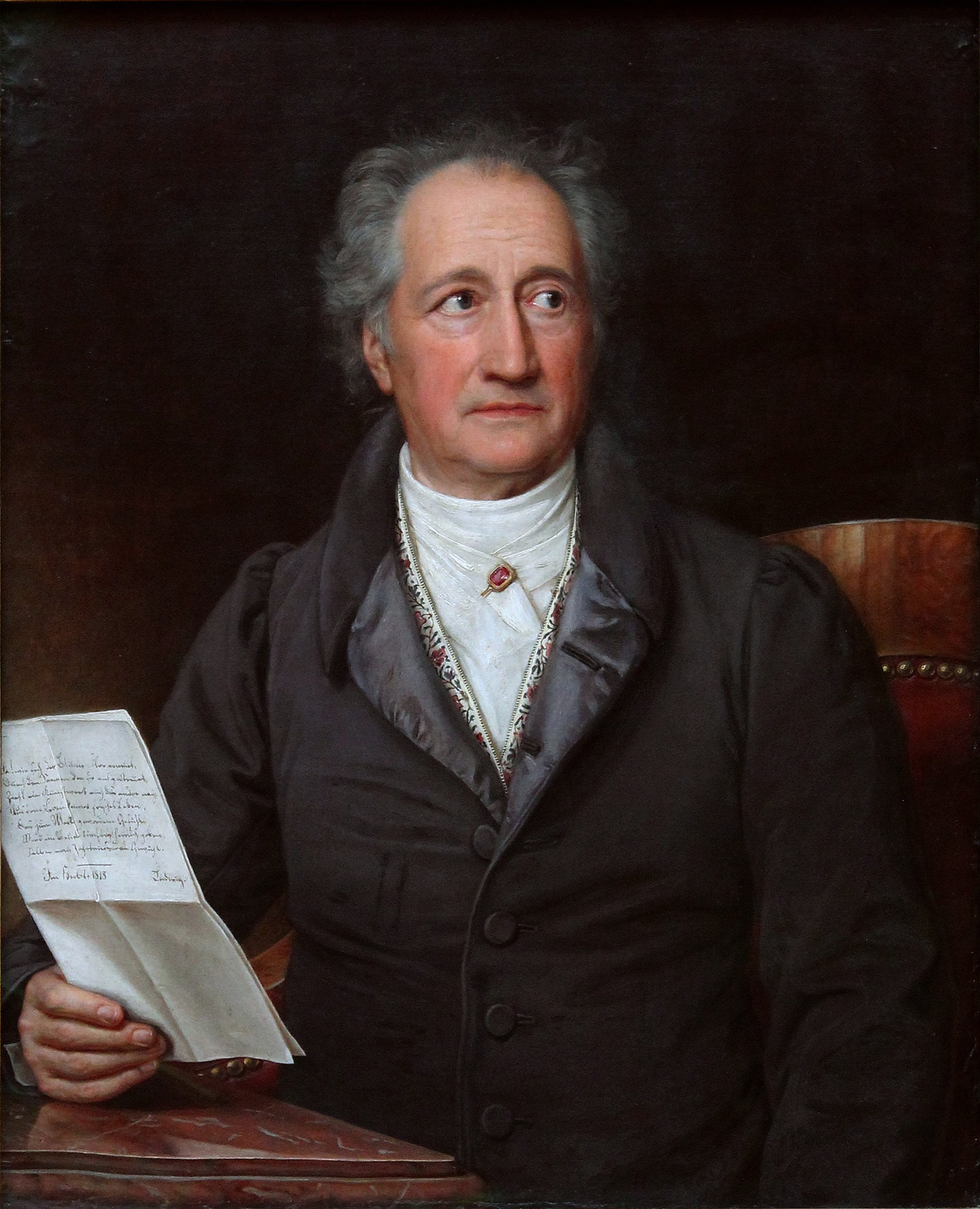
![Faust [part 1]. Translated into English in the Original Metres](/_next/image?url=https%3A%2F%2Fd3b2n8gj62qnwr.cloudfront.net%2FCOVERS%2Fgutenberg_covers75k%2Febook-14591.png&w=3840&q=75)