Edward the Second
1594
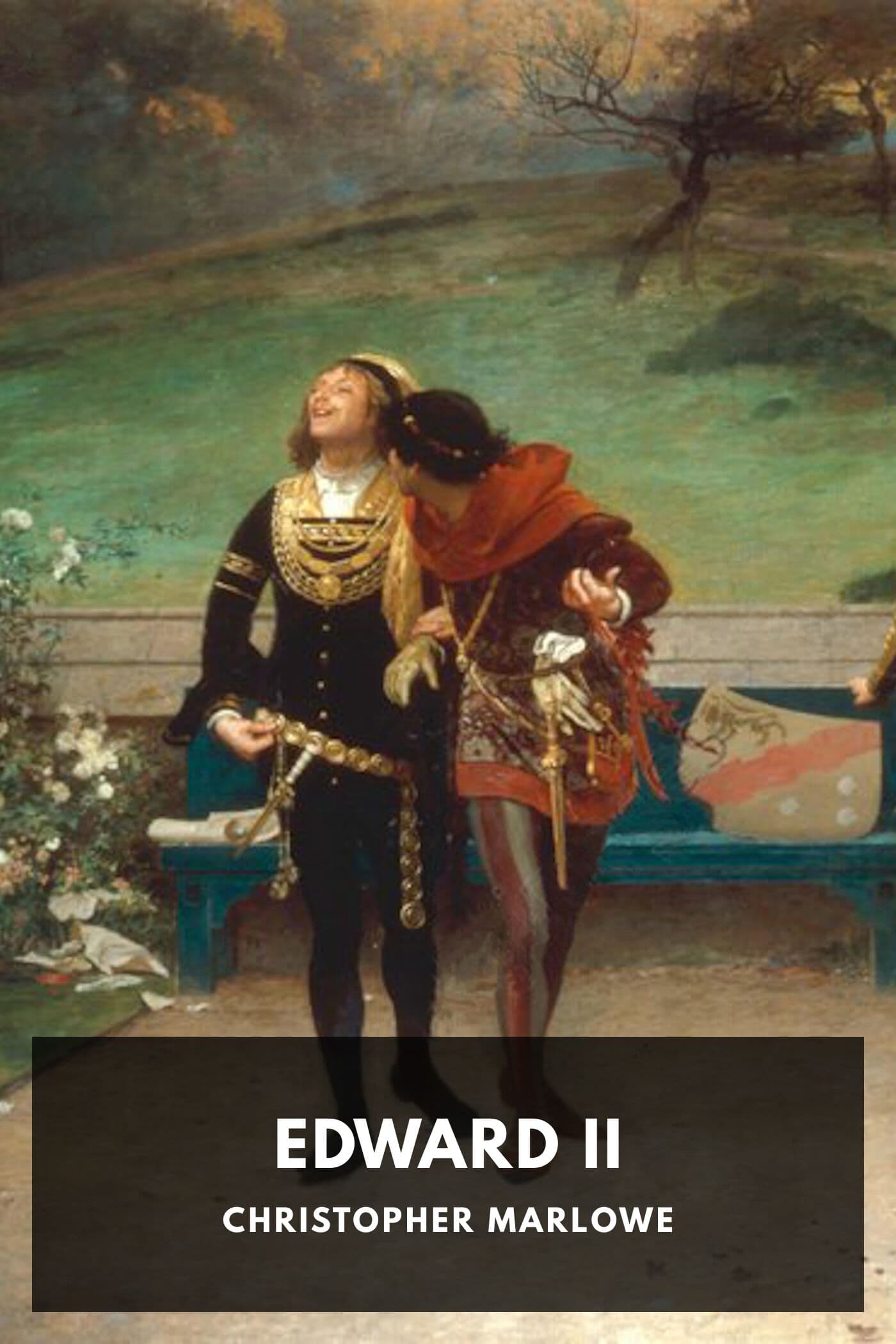
Edward the Second, written by Christopher Marlowe and first published in 1594, is a historical drama that chronicles the tumultuous reign of King Edward II of England. The play centers on Edward's infatuation with Piers Gaveston, whose return from exile ignites political strife among the nobility. As Edward prioritizes his personal desires over his royal responsibilities, the narrative explores themes of love, power, and the tragic consequences of neglecting duty. This work is notable for its exploration of the conflicts between personal loyalty and political obligation during a pivotal time in British history.
Editions
X-Ray
“All live to die, and rise to fall.””
— Christopher Marlowe
“The mightiest kings have had their minions; Great Alexander loved Hephaestion, The conquering Hercules for Hylas wept; And for Patroclus, stern Achilles drooped. And not kings only, but the wisest men: The Roman Tully loved Octavius, Grave Socrates, wild Alcibiades.””
— Christopher Marlowe
“I must have wanton Poets, pleasant wits,Musitians, that with touching of a stringMay draw the pliant king which way I please:Musicke and poetrie is his delight,Therefore ile have Italian maskes by night,Sweete speeches, comedies, and pleasing showes,And in the day when he shall walke abroad,Like Sylvian Nimphes my pages shall be clad,My men like Satyres grazing on the lawnes,Shall with their Goate feete daunce an antick hay.Sometime a lovelie boye in Dians shape,With haire that gilds the water as it glides,Crownets of pearle about his naked armes,And in his sportfull hands an Olive tree,To hide those parts which men delight to see,Shall bathe him in a spring, and there hard by,One like Actaeon peeping through the grove,Shall by the angrie goddesse be transformde,And running in the likenes of an Hart,By yelping hounds puld downe, and seeme to die.Such things as these best please his majestie,My lord.””
— Christopher Marlowe
“You must be proud, bold, pleasant, resolute,And now and then stab as occasion serves.””
— Christopher Marlowe
“Thou from this land, I from myself am banish'd.””
— Christopher Marlowe
“Gaveston:I can no longer keepe me from my lord.Edward:What Gaveston, welcome: kis not my hand,Embrace me Gaveston as I do thee:Why shouldst thou kneele, knowest thou not who I am?Thy friend, thy selfe, another Gaveston.Not Hilas was more mourned of Hercules,Then thou hast beene of me since thy exile.””
— Christopher Marlowe
“If I be cruel and grow tyrannous,Now let them thank themselves, and rue too late.””
— Christopher Marlowe
“My father is deceast, come Gaveston,'And share the kingdom with thy deerest friend.'Ah words that make me surfet with delight:What greater blisse can hap to Gaveston,Then live and be the favorit of a king?Sweete prince I come, these these thy amorous lines,Might have enforst me to have swum from France,And like Leander gaspt upon the sande,So thou wouldst smile and take me in thy armes.The sight of London to my exiled eyes,Is as Elizium to a new come soule.Not that I love the citie or the men,But that it harbors him I hold so deare,The king, upon whose bosome let me die,And with the world be still at enmitie:What neede the artick people love star-light,To whom the sunne shines both by day and night.Farewell base stooping to the lordly peeres,My knee shall bowe to none but to the king.As for the multitude that are but sparkes,Rakt up in embers of their povertie,Tanti: Ile fawne first on the winde,That glaunceth at my lips and flieth away: ....””
— Christopher Marlowe
“Heavens can witness I love none but you:From my embracements thus he breaks away.O that mine arms could close this isle about,That I might pull him to me where I would!Or that these tears that drizzle from mine eyesHad power to mollify his stony heart,That when I had him we might never part.””
— Christopher Marlowe
Link to this book
Add a free, dofollow link to Lex on your blog, forum, syllabus, or reading list.

<a href="https://lex-books.com/book/edward-the-second-9ede427c-7559-483b-b9c0-d7774ce45eb4"><img src="https://lex-books.com/badges/read-on-lex.svg" alt="Read Edward the Second by Christopher Marlowe free on Lex" width="160" height="40"></a>[](https://lex-books.com/book/edward-the-second-9ede427c-7559-483b-b9c0-d7774ce45eb4)[url=https://lex-books.com/book/edward-the-second-9ede427c-7559-483b-b9c0-d7774ce45eb4][img]https://lex-books.com/badges/read-on-lex.svg[/img][/url]Read Edward the Second by Christopher Marlowe free on Lex: https://lex-books.com/book/edward-the-second-9ede427c-7559-483b-b9c0-d7774ce45eb4Cite this book
Reading this edition for a paper or guide? Copy a citation.
Marlowe, Christopher. Edward the Second. Lex, lex-books.com/book/edward-the-second-9ede427c-7559-483b-b9c0-d7774ce45eb4.Marlowe, C. (1594). Edward the Second. Lex. https://lex-books.com/book/edward-the-second-9ede427c-7559-483b-b9c0-d7774ce45eb4Marlowe, Christopher. Edward the Second. Lex. https://lex-books.com/book/edward-the-second-9ede427c-7559-483b-b9c0-d7774ce45eb4.