Edward II
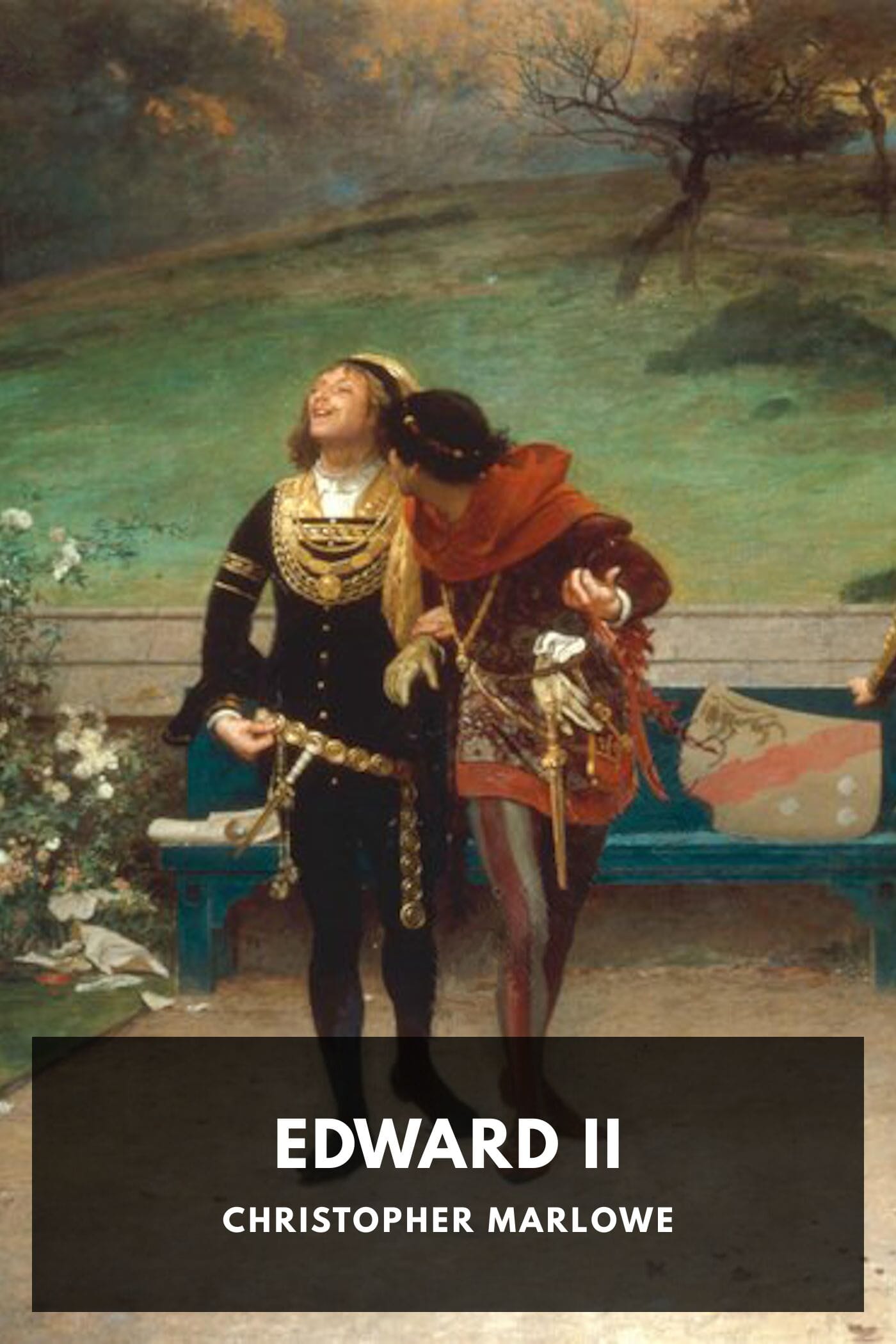
Christopher Marlowe's *Edward II* plunges into the tumultuous late reign of the eponymous English king, whose scandalous and all-consuming devotion to the commoner Piers Gaveston ignites a firestorm among his disgruntled nobility. Fresh from exile, Gaveston returns to a court seething with resentment, not only at the king's open favoritism and the lavish titles bestowed upon a non-noble, but also at Edward's flagrant neglect of his queen. As Edward's affections for Gaveston push the boundaries of courtly decorum and ignite accusations of effeminacy and impropriety, the lords' initial demands for Gaveston's expulsion quickly escalate into a full-blown rebellion, charting a course toward regicide and national upheaval. Marlowe masterfully portrays the tragic downfall of a monarch whose personal desires clash violently with the rigid expectations of kingship and social hierarchy. More than a mere historical recounting, *Edward II* is a groundbreaking exploration of power, identity, and the destructive force of societal intolerance. Marlowe's audacious depiction of Edward and Gaveston's explicitly homosexual relationship—a radical move for its time—serves as the play's emotional core, challenging conventional notions of masculinity and kingship. Written in powerful blank verse, the play anticipates Shakespeare's historical dramas, offering a complex psychological portrait of a ruler undone by love and a court consumed by prejudice. Its enduring relevance lies in its unflinching examination of how personal passion can collide with public duty, and how fear of the 'other' can unravel the fabric of a nation.
Editions

Link to this book
Add a free, dofollow link to Lex on your blog, forum, syllabus, or reading list.

<a href="https://lex-books.com/book/edward-ii-5b98a267-3531-40e2-9d44-8cf25bd84e58"><img src="https://lex-books.com/badges/read-on-lex.svg" alt="Read Edward II by Christopher Marlowe free on Lex" width="160" height="40"></a>[](https://lex-books.com/book/edward-ii-5b98a267-3531-40e2-9d44-8cf25bd84e58)[url=https://lex-books.com/book/edward-ii-5b98a267-3531-40e2-9d44-8cf25bd84e58][img]https://lex-books.com/badges/read-on-lex.svg[/img][/url]Read Edward II by Christopher Marlowe free on Lex: https://lex-books.com/book/edward-ii-5b98a267-3531-40e2-9d44-8cf25bd84e58Cite this book
Reading this edition for a paper or guide? Copy a citation.
Marlowe, Christopher. Edward II. Lex, lex-books.com/book/edward-ii-5b98a267-3531-40e2-9d44-8cf25bd84e58.Marlowe, C. (n.d.). Edward II. Lex. https://lex-books.com/book/edward-ii-5b98a267-3531-40e2-9d44-8cf25bd84e58Marlowe, Christopher. Edward II. Lex. https://lex-books.com/book/edward-ii-5b98a267-3531-40e2-9d44-8cf25bd84e58.