Duchess of Padua
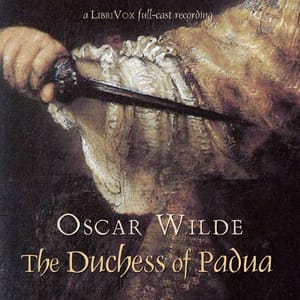
Wilde wrote this dark Renaissance tragedy at the height of his creative powers, before the scandal that would define his legacy. Set in sixteenth-century Padua, it follows Guido Ferranti, a young man who arrives in the city with his friend Ascanio bearing a letter that will unravel his origins: his father was murdered by the Duke of Padua, and vengeance is his birthright. But when Guido infiltrates the Duke's court and encounters the Duchess Beatrice, everything changes. Their love becomes a crucible, and Guido must choose between the blood oath that compels him and the passion that consumes him. The play builds to a devastating conclusion that would become a Wilde hallmark: the notion that desire and death, love and destruction, are inseparable. This is Wilde unfiltered, before the comedies of manners. The prose crackles with gothic intensity, the dialogue drips with poison and poetry in equal measure, and the final act delivers a tragedy of shocking brutality. For readers who wish Wilde had explored darker theatrical territory more often, this is essential.
Editions

Link to this book
Add a free, dofollow link to Lex on your blog, forum, syllabus, or reading list.

<a href="https://lex-books.com/book/duchess-of-padua-10282dab-ed46-418c-9539-04ede926dc9c"><img src="https://lex-books.com/badges/read-on-lex.svg" alt="Read Duchess of Padua by Oscar Wilde free on Lex" width="160" height="40"></a>[](https://lex-books.com/book/duchess-of-padua-10282dab-ed46-418c-9539-04ede926dc9c)[url=https://lex-books.com/book/duchess-of-padua-10282dab-ed46-418c-9539-04ede926dc9c][img]https://lex-books.com/badges/read-on-lex.svg[/img][/url]Read Duchess of Padua by Oscar Wilde free on Lex: https://lex-books.com/book/duchess-of-padua-10282dab-ed46-418c-9539-04ede926dc9cCite this book
Reading this edition for a paper or guide? Copy a citation.
Wilde, Oscar. Duchess of Padua. Lex, lex-books.com/book/duchess-of-padua-10282dab-ed46-418c-9539-04ede926dc9c.Wilde, O. (n.d.). Duchess of Padua. Lex. https://lex-books.com/book/duchess-of-padua-10282dab-ed46-418c-9539-04ede926dc9cWilde, Oscar. Duchess of Padua. Lex. https://lex-books.com/book/duchess-of-padua-10282dab-ed46-418c-9539-04ede926dc9c.