Doña Perfecta
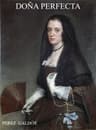
A young engineer arrives in the forgotten provincial town of Orbajosa to claim his inheritance and the hand of his beautiful cousin Rosario. What he finds is a stagnant world ruled by his formidable aunt, Doña Perfecta a woman whose unwavering devotion to religious tradition masks a will of iron. As Rosario and her cousin fall desperately in love, the forces of progress and enlightenment collide with superstition and clerical power in a town that has forbidden anything to change. Galdós, the great chronicler of 19th-century Spanish society, builds unbearable tension through everyday encounters, family dinners, and the quiet machinations of a community united against the outsider. The novel pulses with the anguish of modern Spain trying to be born while old Spain strangles it in its arms. This is social realism at its most dramatic: a tragedy about what happens when intelligence meets ignorance, and love is caught in the crossfire.
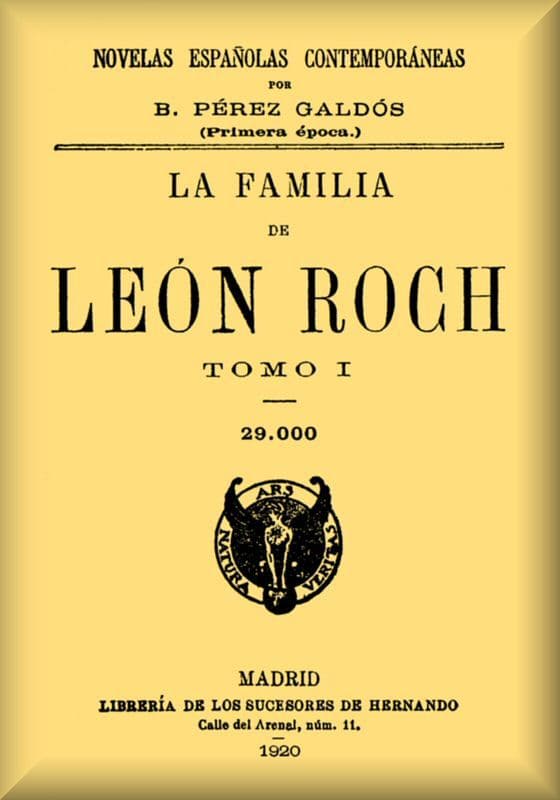
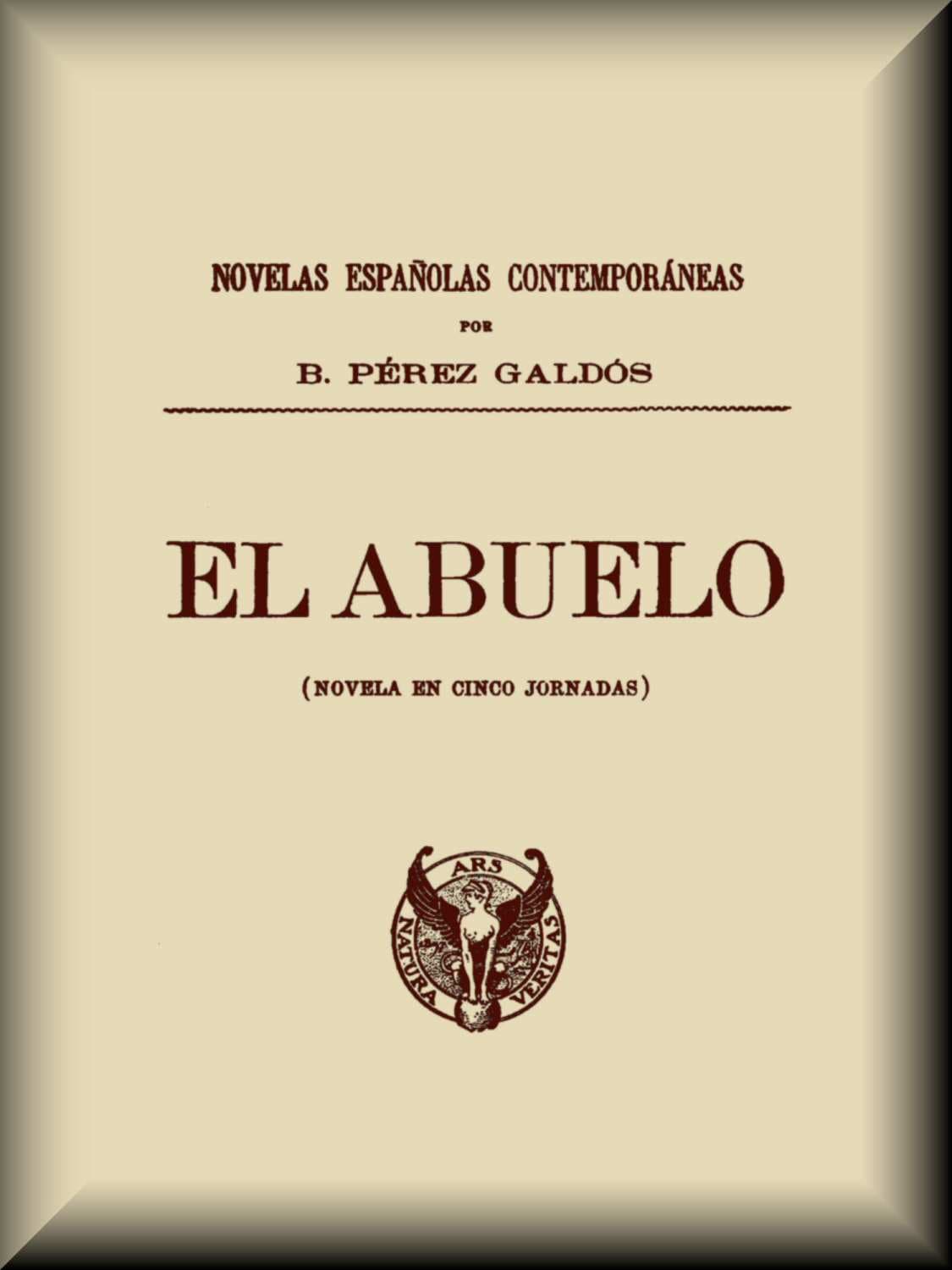
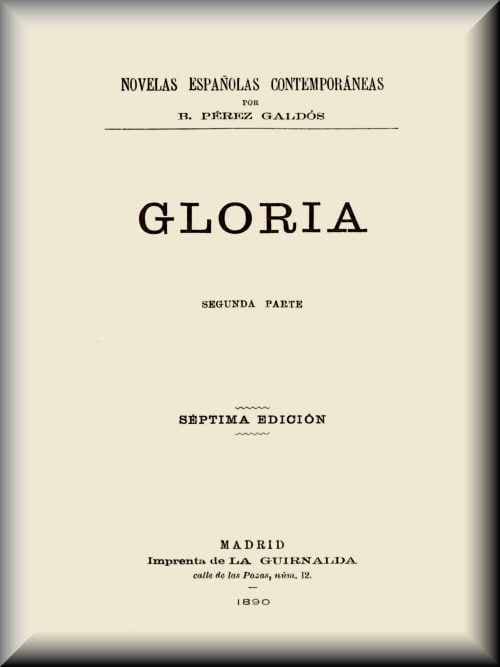
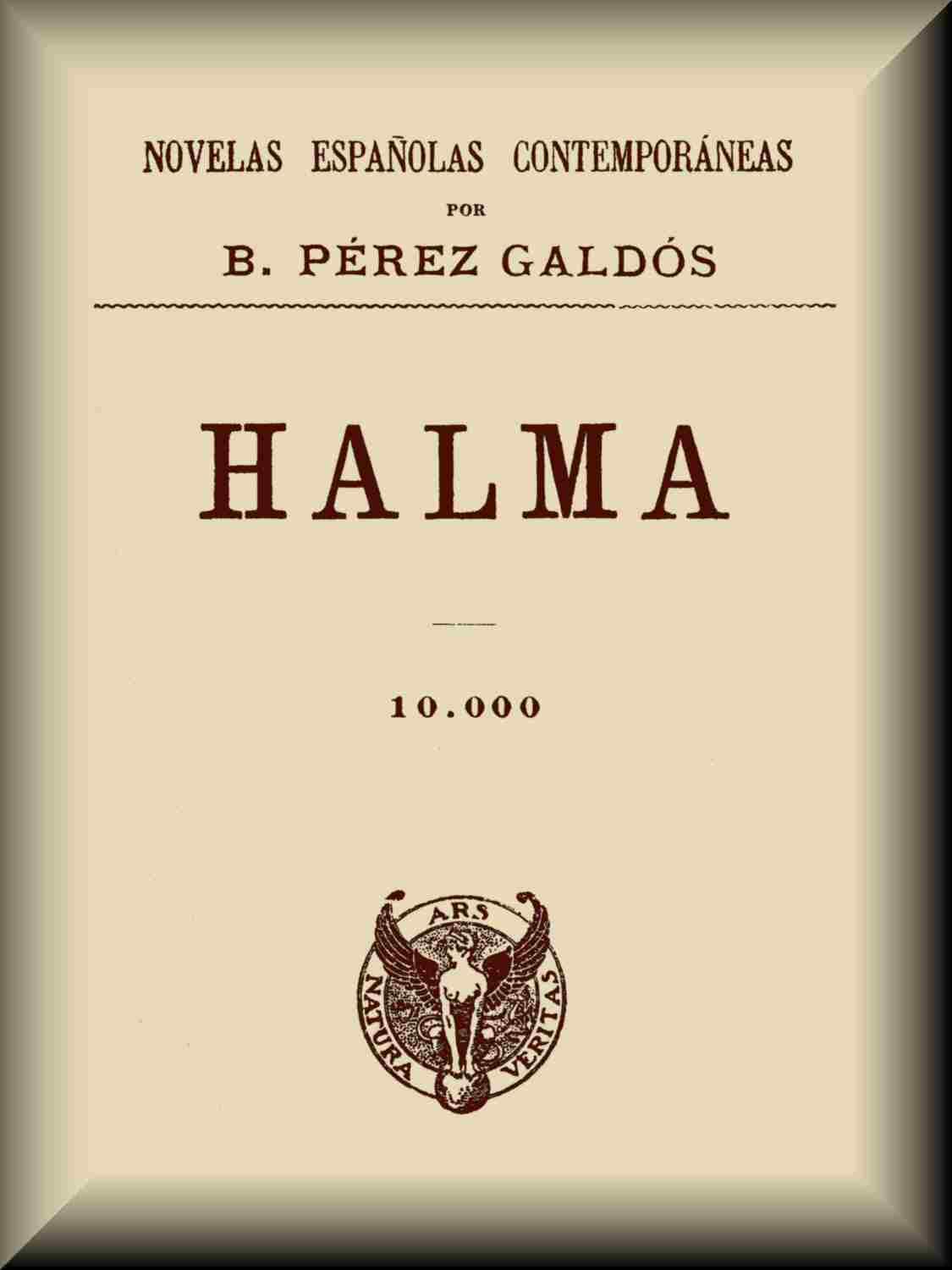
Editions
X-Ray
“Los ciegos serían felices en este país, que para la lengua es paraíso y para los ojos infierno.””
— Benito Pérez Galdós
“Spain, with 7324 inhabitants, a town-hall, an episcopal””
— Benito Pérez Galdós
“que en esa remota Orbajosa, donde, entre paréntesis, tienes fincas que puedes examinar ahora, se pasa la vida con la tranquilidad y dulzura de los idilios. ¡Qué patriarcales costumbres! ¡Qué nobleza en aquella sencillez! ¡Qué rústica paz virgiliana! Si en vez de ser matemático fueras latinista, repetirías al entrar allí el ergo tua rura manebunt. ¡Qué admirable lugar para dedicarse a la contemplación de nuestra propia alma y prepararse a las buenas obras! Allí todo es bondad, honradez; allí no se conocen la mentira y la farsa como en nuestras grandes ciudades; allí renacen las santas inclinaciones que el bullicio de la moderna vida ahoga; allí despierta la dormida fe, y se siente vivo impulso indefinible dentro del pecho, al modo de pueril impaciencia que en el fondo de nuestra alma grita: «quiero vivir».””
— Benito Pérez Galdós
“Leon Roch," and "Gloria." In still later novels, Emilia Pardo-Bazan thinks, he has comprehended that "the novel of to-day must take note of the ambient truth, and realize the beautiful with freedom and independence." This valiant lady, in the campaign for realism which she made under the title of "La Cuestion Palpitante"--one of the best and strongest books on the subject--counts him first””
— Benito Pérez Galdós
“Palabras hermosas realidad prosaica y miserable. Los ciegos serían felices en este país, que para la lengua es paraíso y para los ojos infierno.””
— Benito Pérez Galdós
“Verdad es; por eso se dijo que uno piensa el bayo y otro el que lo ensilla””
— Benito Pérez Galdós
“INTRODUCTION The very acute and lively Spanish critic who signs himself Clarin, and is known personally as Don Leopoldo Alas, says the present Spanish novel has no yesterday, but only a day-before-yesterday.””
— Benito Pérez Galdós
Link to this book
Add a free, dofollow link to Lex on your blog, forum, syllabus, or reading list.

<a href="https://lex-books.com/book/do-a-perfecta-e4c55b42-7bb9-4d33-b598-28941b094878"><img src="https://lex-books.com/badges/read-on-lex.svg" alt="Read Doña Perfecta by Benito Pérez Galdós free on Lex" width="160" height="40"></a>[](https://lex-books.com/book/do-a-perfecta-e4c55b42-7bb9-4d33-b598-28941b094878)[url=https://lex-books.com/book/do-a-perfecta-e4c55b42-7bb9-4d33-b598-28941b094878][img]https://lex-books.com/badges/read-on-lex.svg[/img][/url]Read Doña Perfecta by Benito Pérez Galdós free on Lex: https://lex-books.com/book/do-a-perfecta-e4c55b42-7bb9-4d33-b598-28941b094878Cite this book
Reading this edition for a paper or guide? Copy a citation.
Galdós, Benito Pérez. Doña Perfecta. Lex, lex-books.com/book/do-a-perfecta-e4c55b42-7bb9-4d33-b598-28941b094878.Galdós, B. P. (n.d.). Doña Perfecta. Lex. https://lex-books.com/book/do-a-perfecta-e4c55b42-7bb9-4d33-b598-28941b094878Galdós, Benito Pérez. Doña Perfecta. Lex. https://lex-books.com/book/do-a-perfecta-e4c55b42-7bb9-4d33-b598-28941b094878.