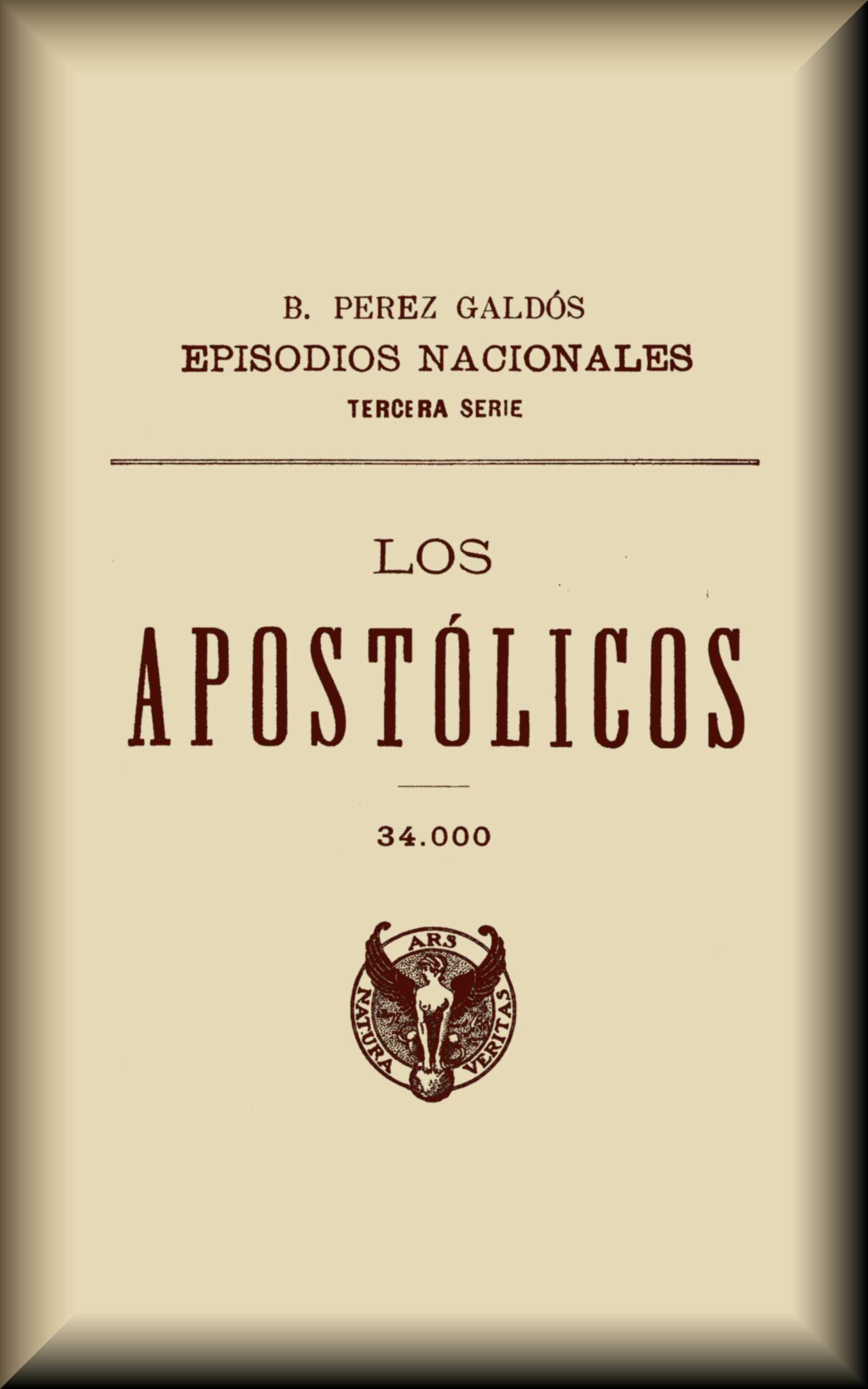
Los Apostólicos
1906
Spain, 1830. The monarchy trembles on its throne, and in a cramped Madrid apartment, Don Benigno Cordero tries to hold his family together after the death of his wife. He's a man caught between eras: too old for revolution, too young to accept that the world his children will inherit bears no resemblance to the one he knew. His youngest, Juanito Jacobo, drifts through grief while the adults whisper about politics, succession, and the dark clouds gathering over the peninsula. Galdós weaves domestic heartbreak into the fabric of national collapse. The approaching royal visit promises change, but for whom? The title "Los apostólicos" carries a warning these characters don't yet understand: the faithful Catholics who will soon take up arms for a throne that represents the old Spain's final stand. This is where the Carlist Wars begin, not in battlefields, but in living rooms, in the hesitation between loyalty and survival. What makes "Los Apostólicos" endure is Galdós's refusal to separate the personal from the political. A father's exhaustion is also a nation's exhaustion. A child's loss mirrors a culture's loss. For readers who want history rendered not as dates and treaties but as lived, breathing human experience, this is Galdós at his finest: brutal, compassionate, and startlingly modern.
Editions
Link to this book
Add a free, dofollow link to Lex on your blog, forum, syllabus, or reading list.

<a href="https://lex-books.com/book/los-apost-licos-2ad85d2c-a7ad-4453-ac40-c755080b02b3"><img src="https://lex-books.com/badges/read-on-lex.svg" alt="Read Los Apostólicos by Benito Pérez Galdós free on Lex" width="160" height="40"></a>[](https://lex-books.com/book/los-apost-licos-2ad85d2c-a7ad-4453-ac40-c755080b02b3)[url=https://lex-books.com/book/los-apost-licos-2ad85d2c-a7ad-4453-ac40-c755080b02b3][img]https://lex-books.com/badges/read-on-lex.svg[/img][/url]Read Los Apostólicos by Benito Pérez Galdós free on Lex: https://lex-books.com/book/los-apost-licos-2ad85d2c-a7ad-4453-ac40-c755080b02b3Cite this book
Reading this edition for a paper or guide? Copy a citation.
Galdós, Benito Pérez. Los Apostólicos. Lex, lex-books.com/book/los-apost-licos-2ad85d2c-a7ad-4453-ac40-c755080b02b3.Galdós, B. P. (1906). Los Apostólicos. Lex. https://lex-books.com/book/los-apost-licos-2ad85d2c-a7ad-4453-ac40-c755080b02b3Galdós, Benito Pérez. Los Apostólicos. Lex. https://lex-books.com/book/los-apost-licos-2ad85d2c-a7ad-4453-ac40-c755080b02b3.