Cyropaedia: The Education of Cyrus
1914
Cyropaedia: The Education of Cyrus
1914
Translated by Henry Graham Dakyns
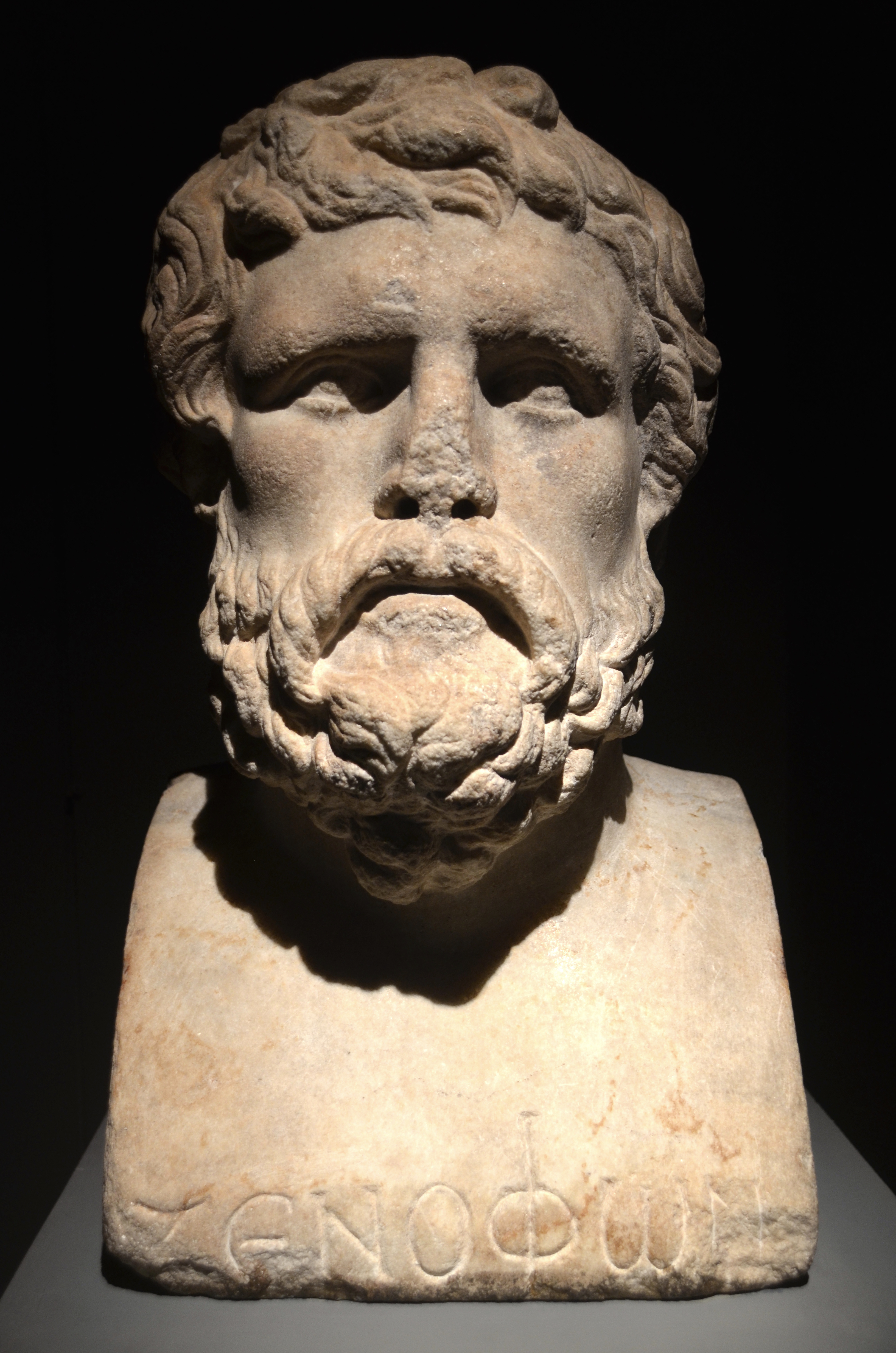
Xenophon wrote one of the most influential works on leadership in Western civilization, a text that would shape political thought for two and a half millennia. The Cyropaedia is part history, part philosophical treatise, part utopian vision: a semi-fictionalized account of Cyrus the Great, founder of the Persian Empire, and the education that made him the ideal ruler. Xenophon, a student of Socrates, uses Cyrus's life to ask the questions that would preoccupy Machiavelli, Plato, and every thinker who followed: What makes someone fit to rule? Can virtue be taught? Is the ideal leader born or made? The book follows Cyrus from his cross-cultural childhood, son of a Persian prince and a Median princess, through his military conquests and the establishment of an empire renowned for its tolerance and justice. Yet Xenophon is no simple propagandist; the text quietly interrogates its own ideals, suggesting that even the most virtuous ruler must confront the hard calculus of power. This is essential reading for anyone interested in the foundations of political philosophy, the roots of leadership theory, and the eternal question of how power should be exercised.
Editions
X-Ray
“battles are decided more by the morale of the troops than by their bodily strength.””
— Xenophon
“There is a deep”
— Xenophon
“Misleaders are slow to work hard but quick to act on greed. They convince their men that dishonest behavior leads to great wealth.””
— Xenophon
“I made my people understand the crucial difference between modesty and self-control. The modest person, I told them, will do nothing blameworthy in the light of day, but a true paragon of self-control”
— Xenophon
“In the Face of Danger, Be Eager, Not Intimidated ””
— Xenophon
“Most of us are always trying to increase our wealth, but you and your officers seem far more concerned with perfecting your souls.””
— Xenophon
“there was something in me that would not rest until I fulfilled a grand destiny. Thus I created an empire in my thoughts long before I began to win an empire in reality. When””
— Xenophon
“Success always calls for greater generosity”
— Xenophon
“An impostor is a man who claims more wealth and courage than he actually possesses. He’s a man who begins what he can never finish. On the other hand, those who can make their friends laugh are men of good taste.” My””
— Xenophon
Link to this book
Add a free, dofollow link to Lex on your blog, forum, syllabus, or reading list.

<a href="https://lex-books.com/book/cyropaedia-the-education-of-cyrus-9db34107-2051-4396-a66d-af1f4aa21104"><img src="https://lex-books.com/badges/read-on-lex.svg" alt="Read Cyropaedia: The Education of Cyrus by Xenophon free on Lex" width="160" height="40"></a>[](https://lex-books.com/book/cyropaedia-the-education-of-cyrus-9db34107-2051-4396-a66d-af1f4aa21104)[url=https://lex-books.com/book/cyropaedia-the-education-of-cyrus-9db34107-2051-4396-a66d-af1f4aa21104][img]https://lex-books.com/badges/read-on-lex.svg[/img][/url]Read Cyropaedia: The Education of Cyrus by Xenophon free on Lex: https://lex-books.com/book/cyropaedia-the-education-of-cyrus-9db34107-2051-4396-a66d-af1f4aa21104Cite this book
Reading this edition for a paper or guide? Copy a citation.
Xenophon. Cyropaedia: The Education of Cyrus. Lex, lex-books.com/book/cyropaedia-the-education-of-cyrus-9db34107-2051-4396-a66d-af1f4aa21104.Xenophon (1914). Cyropaedia: The Education of Cyrus. Lex. https://lex-books.com/book/cyropaedia-the-education-of-cyrus-9db34107-2051-4396-a66d-af1f4aa21104Xenophon. Cyropaedia: The Education of Cyrus. Lex. https://lex-books.com/book/cyropaedia-the-education-of-cyrus-9db34107-2051-4396-a66d-af1f4aa21104.