Ragnarok: The Age of Fire and Gravel
1883
Ragnarok: The Age of Fire and Gravel
1883
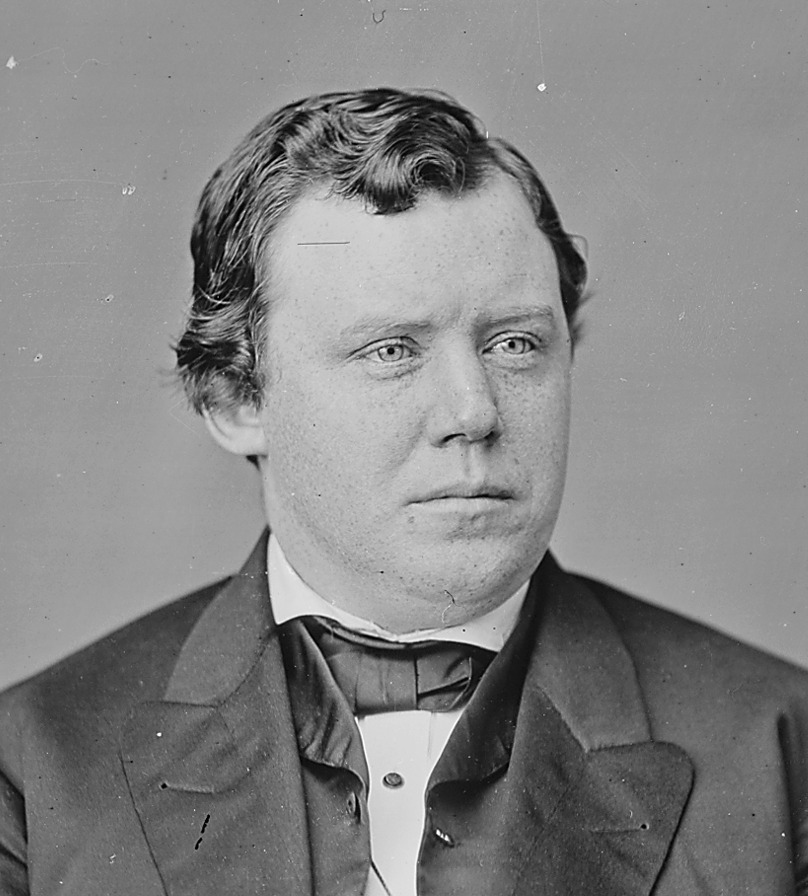
The year is 1883. A Minnesota politician and amateur scientist stands before the geological establishment and declares: everything you think you know about Earth's history is wrong. The vast drifts of gravel and clay scattered across the northern continents were not laid down by gradual ice ages, but by violent cosmic catastrophe. Ignatius Donnelly, already infamous for his claims about Atlantis, turns his formidable intellect to the mystery of the Drift, that strange layer of unstratified material that defies conventional explanation. He proposes an audacious alternative: a massive comet, its nucleus loaded with gravel and ice, swept through the solar system and nearly destroyed human civilization in prehistoric times. This is 19th-century scientific speculation at its most daring and reckless, a Congressman taking on the entire geological establishment with a theory involving fire and devastation from the skies. The prose crackles with conviction, and the argument, while thoroughly debunked, remains a fascinating window into how Victorian-era thinkers grappled with deep time and catastrophic possibility. For readers curious about the strange byways of intellectual history, or anyone who loves a good conspiracy theory about lost civilizations and cosmic destruction.
Editions
Link to this book
Add a free, dofollow link to Lex on your blog, forum, syllabus, or reading list.

<a href="https://lex-books.com/book/ragnarok-the-age-of-fire-and-gravel-2a9ba4c2-d20e-4bc6-8e7b-30b3dfdc68b6"><img src="https://lex-books.com/badges/read-on-lex.svg" alt="Read Ragnarok: The Age of Fire and Gravel by Ignatius Donnelly free on Lex" width="160" height="40"></a>[](https://lex-books.com/book/ragnarok-the-age-of-fire-and-gravel-2a9ba4c2-d20e-4bc6-8e7b-30b3dfdc68b6)[url=https://lex-books.com/book/ragnarok-the-age-of-fire-and-gravel-2a9ba4c2-d20e-4bc6-8e7b-30b3dfdc68b6][img]https://lex-books.com/badges/read-on-lex.svg[/img][/url]Read Ragnarok: The Age of Fire and Gravel by Ignatius Donnelly free on Lex: https://lex-books.com/book/ragnarok-the-age-of-fire-and-gravel-2a9ba4c2-d20e-4bc6-8e7b-30b3dfdc68b6Cite this book
Reading this edition for a paper or guide? Copy a citation.
Donnelly, Ignatius. Ragnarok: The Age of Fire and Gravel. Lex, lex-books.com/book/ragnarok-the-age-of-fire-and-gravel-2a9ba4c2-d20e-4bc6-8e7b-30b3dfdc68b6.Donnelly, I. (1883). Ragnarok: The Age of Fire and Gravel. Lex. https://lex-books.com/book/ragnarok-the-age-of-fire-and-gravel-2a9ba4c2-d20e-4bc6-8e7b-30b3dfdc68b6Donnelly, Ignatius. Ragnarok: The Age of Fire and Gravel. Lex. https://lex-books.com/book/ragnarok-the-age-of-fire-and-gravel-2a9ba4c2-d20e-4bc6-8e7b-30b3dfdc68b6.