Battle-Pieces and Aspects of the War
1866
Battle-Pieces and Aspects of the War
1866
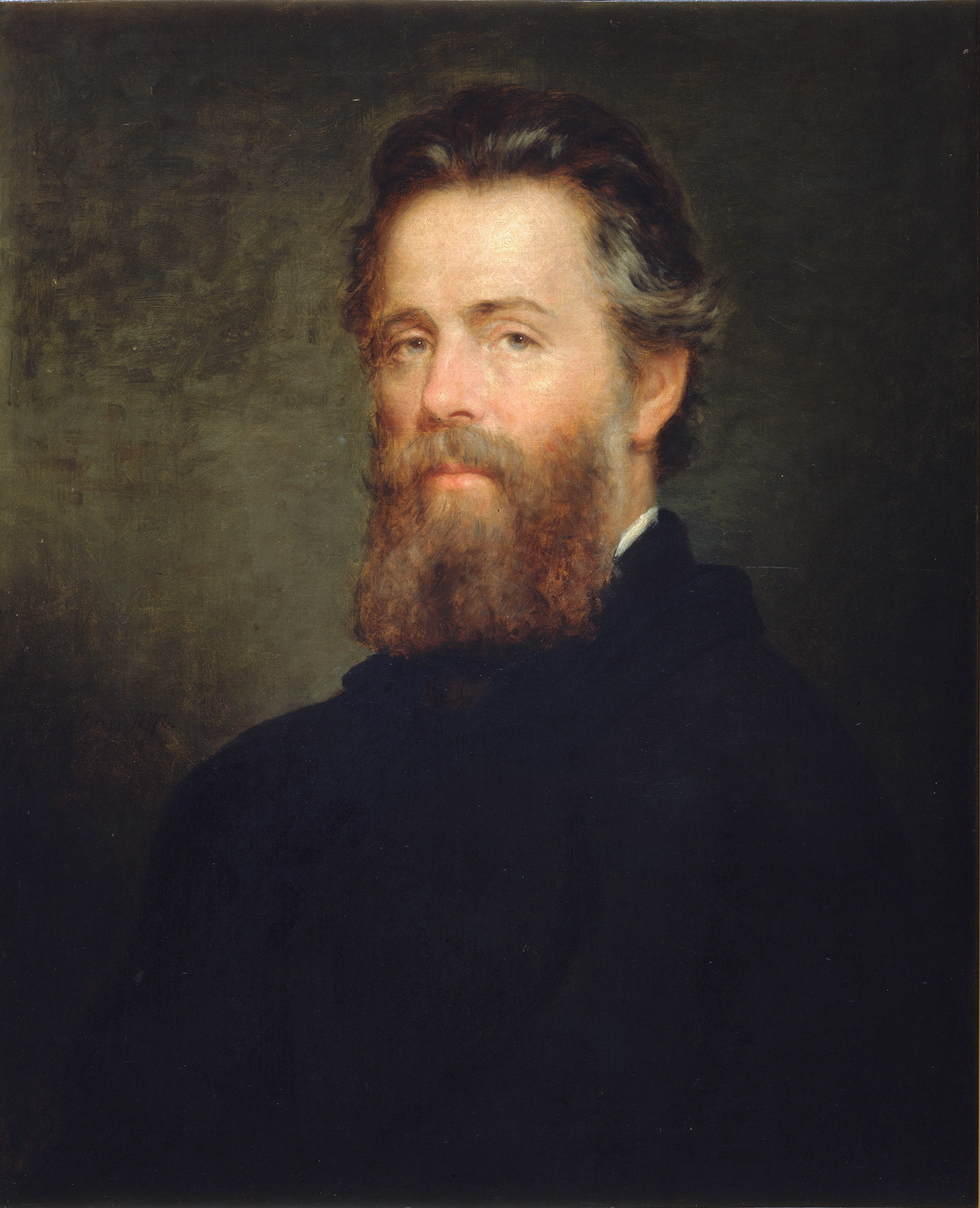
In 1866, a year after the Civil War's end, Herman Melville did what no major American writer had done: he turned his unflinching gaze to the bloodiest conflict in the nation's history. Battle-Pieces is not patriotic verse. It is something far more unsettling. Dedicated to the "Three Hundred Thousand" who died defending the Union, these 72 poems and the prose supplement that follows them refuse the easy consolations of victory. Here are the battles (Donelson, Shiloh, Gettysburg) rendered not as glorious moments but as landscapes of psychological ruin. Here is John Brown's hanging, Lincoln's assassination, the impossible work of Reconstruction. Melville's verse is irregular, astringent, deliberately difficult; it will not let the reader off the hook. The book sold fewer than 500 copies in two years. Critics found it cold, unorthodox, unsatisfying. It would take nearly a century for the world to understand what Melville had achieved: a poetry that treats war's moral complexity without flinching, that asks how a nation binds its wounds when the wounds will not close. For readers who found Moby Dick's darkness indispensable, this is where Melville went next.
Editions
X-Ray
“Foemen at morn, but friends at eve”
— Herman Melville
Link to this book
Add a free, dofollow link to Lex on your blog, forum, syllabus, or reading list.

<a href="https://lex-books.com/book/battle-pieces-and-aspects-of-the-war-d9774eeb-64b9-43bf-bd24-59bf2f7ba0d3"><img src="https://lex-books.com/badges/read-on-lex.svg" alt="Read Battle-Pieces and Aspects of the War by Herman Melville free on Lex" width="160" height="40"></a>[](https://lex-books.com/book/battle-pieces-and-aspects-of-the-war-d9774eeb-64b9-43bf-bd24-59bf2f7ba0d3)[url=https://lex-books.com/book/battle-pieces-and-aspects-of-the-war-d9774eeb-64b9-43bf-bd24-59bf2f7ba0d3][img]https://lex-books.com/badges/read-on-lex.svg[/img][/url]Read Battle-Pieces and Aspects of the War by Herman Melville free on Lex: https://lex-books.com/book/battle-pieces-and-aspects-of-the-war-d9774eeb-64b9-43bf-bd24-59bf2f7ba0d3Cite this book
Reading this edition for a paper or guide? Copy a citation.
Melville, Herman. Battle-Pieces and Aspects of the War. Lex, lex-books.com/book/battle-pieces-and-aspects-of-the-war-d9774eeb-64b9-43bf-bd24-59bf2f7ba0d3.Melville, H. (1866). Battle-Pieces and Aspects of the War. Lex. https://lex-books.com/book/battle-pieces-and-aspects-of-the-war-d9774eeb-64b9-43bf-bd24-59bf2f7ba0d3Melville, Herman. Battle-Pieces and Aspects of the War. Lex. https://lex-books.com/book/battle-pieces-and-aspects-of-the-war-d9774eeb-64b9-43bf-bd24-59bf2f7ba0d3.