Alice's Adventures in Wonderland (version 3)
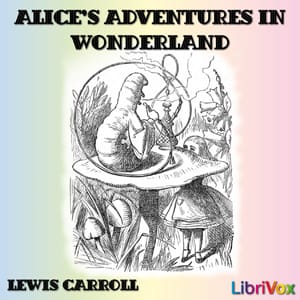
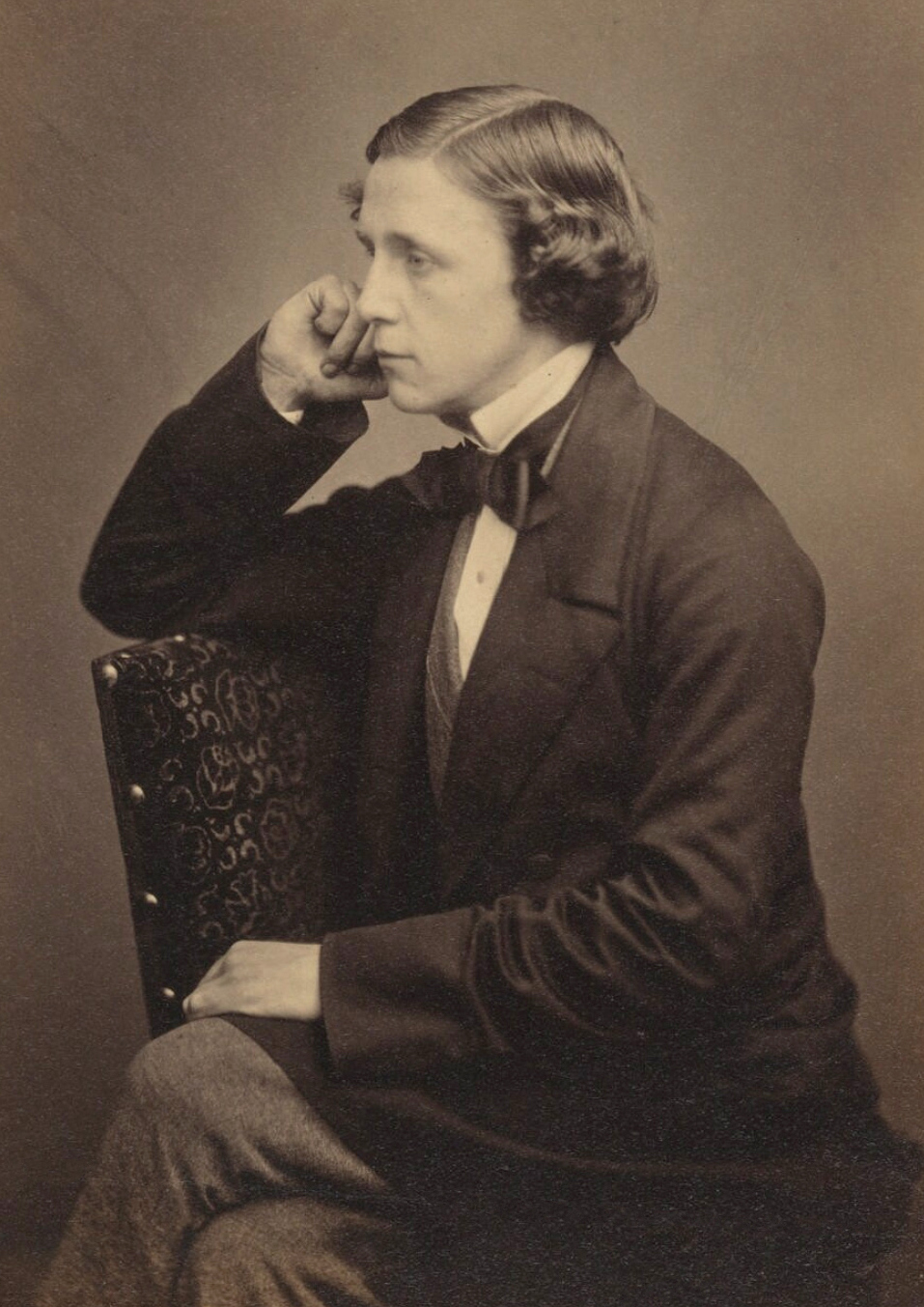
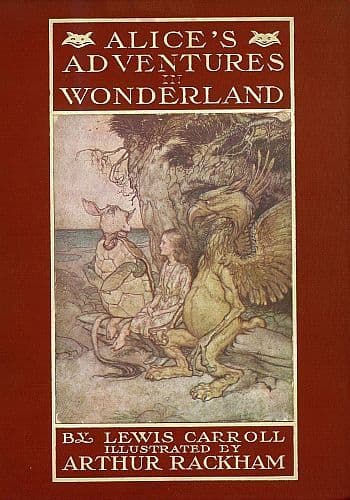
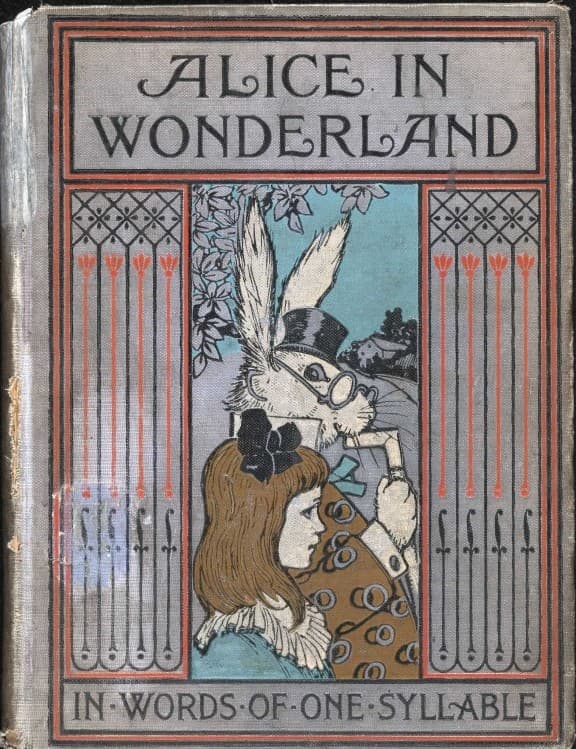
One moment Alice is bored on the riverbank with her sister. The next, she's chasing a white rabbit in a waistcoat down a rabbit hole, tumbling into a world where nothing follows the rules she was taught. She grows until she's nine feet tall, then shrinks to ten inches. A caterpillar smokes a hookah and speaks in riddles. A grin without a cat materializes in the air. A baby turns into a pig. And through it all, everyone Alice meets insists she doesn't belong: she's too tall, too small, too wrong. This is not a normal story. It is a world built on impossible logic, where questions have no answers and answers have no questions, where poetry becomes nonsense and nonsense becomes poetry. Lewis Carroll, a mathematician, wrote the book he told as a bedtime story to Alice Liddell on boating trips in 1862. What he created was neither children's book nor satire nor philosophical puzzle, but all three, and something else entirely: a portrait of childhood as a place where the familiar becomes alien and the alien becomes familiar. The book endures because it captures something true about growing up. It remembers what it felt like to be too big and too small at once, to not understand the rules everyone else seems to know, to tumble through a world that insists you are the problem.
Editions


Link to this book
Add a free, dofollow link to Lex on your blog, forum, syllabus, or reading list.

<a href="https://lex-books.com/book/alice-s-adventures-in-wonderland-version-3-13036474-2bf6-48ad-80f0-2b8557597896"><img src="https://lex-books.com/badges/read-on-lex.svg" alt="Read Alice's Adventures in Wonderland (version 3) by Lewis Carroll free on Lex" width="160" height="40"></a>[](https://lex-books.com/book/alice-s-adventures-in-wonderland-version-3-13036474-2bf6-48ad-80f0-2b8557597896)[url=https://lex-books.com/book/alice-s-adventures-in-wonderland-version-3-13036474-2bf6-48ad-80f0-2b8557597896][img]https://lex-books.com/badges/read-on-lex.svg[/img][/url]Read Alice's Adventures in Wonderland (version 3) by Lewis Carroll free on Lex: https://lex-books.com/book/alice-s-adventures-in-wonderland-version-3-13036474-2bf6-48ad-80f0-2b8557597896Cite this book
Reading this edition for a paper or guide? Copy a citation.
Carroll, Lewis. Alice's Adventures in Wonderland (version 3). Lex, lex-books.com/book/alice-s-adventures-in-wonderland-version-3-13036474-2bf6-48ad-80f0-2b8557597896.Carroll, L. (n.d.). Alice's Adventures in Wonderland (version 3). Lex. https://lex-books.com/book/alice-s-adventures-in-wonderland-version-3-13036474-2bf6-48ad-80f0-2b8557597896Carroll, Lewis. Alice's Adventures in Wonderland (version 3). Lex. https://lex-books.com/book/alice-s-adventures-in-wonderland-version-3-13036474-2bf6-48ad-80f0-2b8557597896.