The Game of Logic
1886
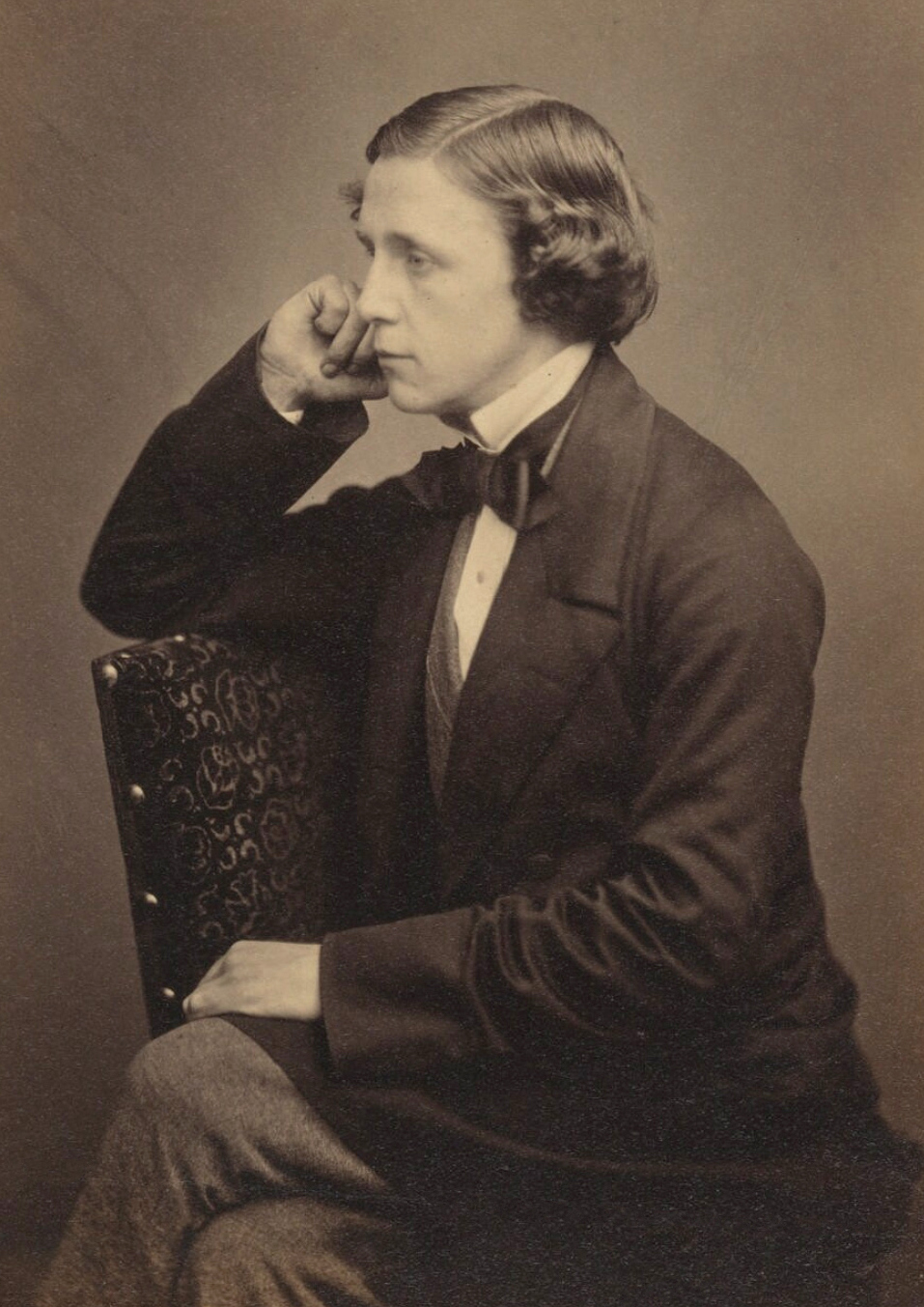
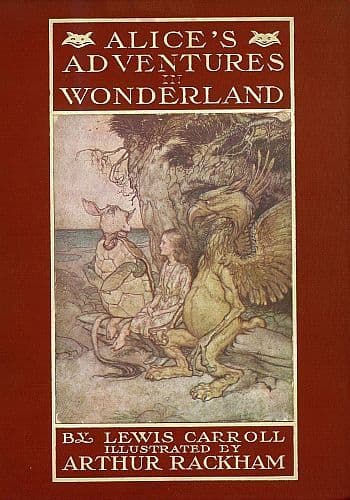
Lewis Carroll, the storyteller behind Wonderland, was also a meticulous mathematician who believed logic should be as enchanting as a game. In this 1886 gem, he transforms the dry subject of syllogistic reasoning into a charming board game played with colored coins on a diagram divided into quadrants, each representing different combinations of attributes like freshness and sweetness applied to cakes. The book progresses from simple two-category problems to increasingly sophisticated three-category puzzles, all while maintaining a conversational, witty tone that feels more like correspondence with a clever friend than a textbook. Carroll's genius lies in making abstract logical relationships visible and tangible: red coins denote presence, gray coins denote absence, and readers physically move through propositions as they would navigate a puzzle. Though published over a century ago, its core insight remains radical: rigorous thinking doesn't have to be joyless. For anyone who loved Alice's Adventures in Wonderland and wants to discover another dimension of Carroll's intellect, or for anyone who has ever struggled with formal logic and wished for a gentler entry point, this book is a delightful contradiction made flesh: a mathematical text that reads like a pleasure.
Editions
X-Ray
“Only the insane equate pain with success.""The uninformed must improve their deficit, or die."_Cheshire Cat””
— Lewis Carroll
“She generally gave herself very good advice (though she very seldom followed it), and sometimes she scolded herself so severely as to bring tears into her eyes; and once she remembered trying to box her own ears for having cheated herself in a came of croquet she was playing against herself, for this curious child was very fond of pretending to be two people.””
— Lewis Carroll
“The Hatter opened his eyes very wide on hearing this; but all he said was, "Why is a raven like a writing-desk?""Come, we shall have some fun now!", thought Alice. "I'm glad they've begun asking riddles - I believe I can guess that," she added aloud."Do you mean that you think you can find out the answer to it?" said the March Hare."Exactly so," said Alice."Then you should say what you mean," the March Hare went on."I do," Alice hastily replied; "At least - at least I mean what I say - that's the same thing, you know.""Not the same thing a bit!" said the Hatter. "Why, you might just as well said that "I see what I eat" is the same thing as "I eat what I see"!"."You might just as well say," added the March Hare, "that "I like what I get" is the same thing as "I get what I like"!"."You might just as well say," added the Dormouse, which seemed to be talking in its sleep, "that "I breath when I sleep" is the same thing as "I sleep when I breath"!"."It is the same thing with you," said the Hatter, and here the conversation dropped and the party sat silent for a minute, while Alice thought over all she could remember about ravens and writing-desks, which wasn't much.””
— Lewis Carroll
“Nunca te imagines que eres de otra manera distinta de como a los demás les pareces, que lo que fueras o pudieras haber sido no es más distinto de lo que tú habrías sido si a los demás les hubieras parecido distinta.””
— Lewis Carroll
“Todo tiene una moraleja, si eres capaz de encontrarla.””
— Lewis Carroll
“It’s jam every other day: to-day isn’t any other day, you know.””
— Lewis Carroll
“Oh dear! Oh dear! I shall be late!””
— Lewis Carroll
“where is the use of a book, thought Alice, without pictures or conversations? So she was considering in her own mind, (as well as she could, for the hot day made her feel very sleepy and stupid,)””
— Lewis Carroll
“Tu intención debía ser mala; si no, lo habrías firmado, como cualquier persona honesta.””
— Lewis Carroll
Link to this book
Add a free, dofollow link to Lex on your blog, forum, syllabus, or reading list.

<a href="https://lex-books.com/book/the-game-of-logic-702f8585-578d-4fca-9dcd-26ae2bc65c58"><img src="https://lex-books.com/badges/read-on-lex.svg" alt="Read The Game of Logic by Lewis Carroll free on Lex" width="160" height="40"></a>[](https://lex-books.com/book/the-game-of-logic-702f8585-578d-4fca-9dcd-26ae2bc65c58)[url=https://lex-books.com/book/the-game-of-logic-702f8585-578d-4fca-9dcd-26ae2bc65c58][img]https://lex-books.com/badges/read-on-lex.svg[/img][/url]Read The Game of Logic by Lewis Carroll free on Lex: https://lex-books.com/book/the-game-of-logic-702f8585-578d-4fca-9dcd-26ae2bc65c58Cite this book
Reading this edition for a paper or guide? Copy a citation.
Carroll, Lewis. The Game of Logic. Lex, lex-books.com/book/the-game-of-logic-702f8585-578d-4fca-9dcd-26ae2bc65c58.Carroll, L. (1886). The Game of Logic. Lex. https://lex-books.com/book/the-game-of-logic-702f8585-578d-4fca-9dcd-26ae2bc65c58Carroll, Lewis. The Game of Logic. Lex. https://lex-books.com/book/the-game-of-logic-702f8585-578d-4fca-9dcd-26ae2bc65c58.