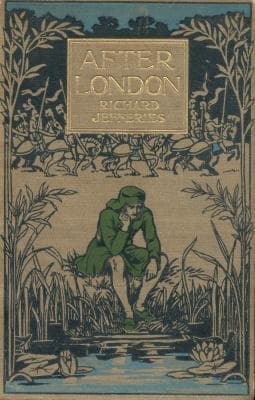
After London, or Wild England
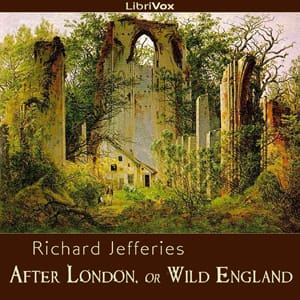
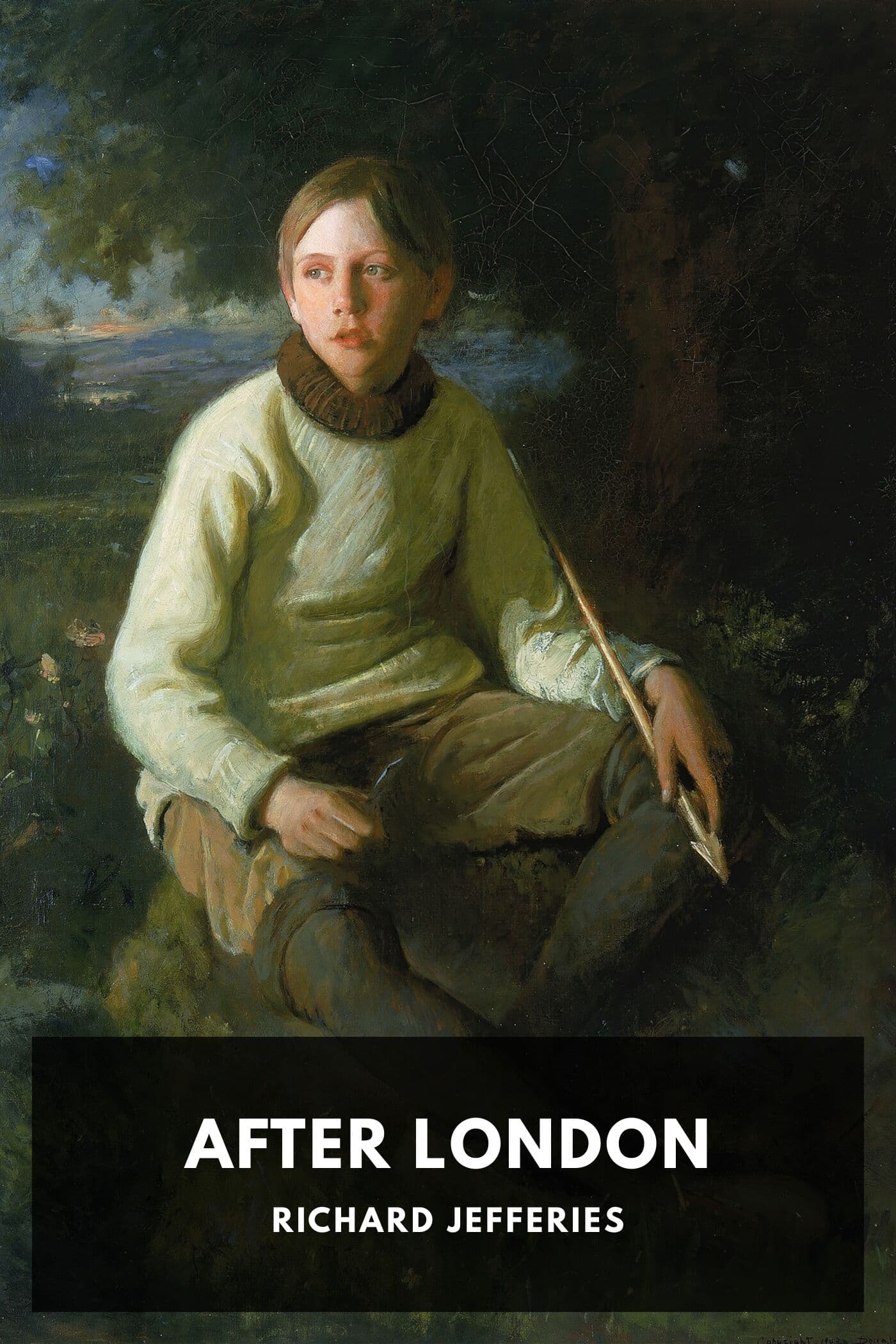
Imagine London reclaimed by the wild. The great cities silent, cathedrals crumbling, railways buried under centuries of ivy. In this startlingly prescient Victorian novel, Richard Jefferies imagines the unthinkable: civilization has ended, and England has returned to forest and fen. The first section, "The Relapse into Barbarism," offers an eerie historical account of the collapse, written as though by some future chronicler gazing back at our railway-built age with baffled wonder. The prose is unnervingly prophetic, describing the slow beautiful decay of modern England with an almost erotic attention to detail. The second section, "Wild England," follows survivors living in a quasi-medieval world of primitive communities and dangerous journeys through a landscape made strange by abandonment. What elevates this 1885 novel beyond mere curiosity is Jefferies' radical vision: not a tale of monsters or war, but a meditation on what we lose when we lose our world, and what strange beauty might grow in the silence we leave behind.
Editions

Link to this book
Add a free, dofollow link to Lex on your blog, forum, syllabus, or reading list.

<a href="https://lex-books.com/book/after-london-or-wild-england-31e929b0-4dd1-436c-9279-4a06b30c3929"><img src="https://lex-books.com/badges/read-on-lex.svg" alt="Read After London, or Wild England by Richard Jefferies free on Lex" width="160" height="40"></a>[](https://lex-books.com/book/after-london-or-wild-england-31e929b0-4dd1-436c-9279-4a06b30c3929)[url=https://lex-books.com/book/after-london-or-wild-england-31e929b0-4dd1-436c-9279-4a06b30c3929][img]https://lex-books.com/badges/read-on-lex.svg[/img][/url]Read After London, or Wild England by Richard Jefferies free on Lex: https://lex-books.com/book/after-london-or-wild-england-31e929b0-4dd1-436c-9279-4a06b30c3929Cite this book
Reading this edition for a paper or guide? Copy a citation.
Jefferies, Richard. After London, or Wild England. Lex, lex-books.com/book/after-london-or-wild-england-31e929b0-4dd1-436c-9279-4a06b30c3929.Jefferies, R. (n.d.). After London, or Wild England. Lex. https://lex-books.com/book/after-london-or-wild-england-31e929b0-4dd1-436c-9279-4a06b30c3929Jefferies, Richard. After London, or Wild England. Lex. https://lex-books.com/book/after-london-or-wild-england-31e929b0-4dd1-436c-9279-4a06b30c3929.